Why Bruno’s trial was about more than the stars
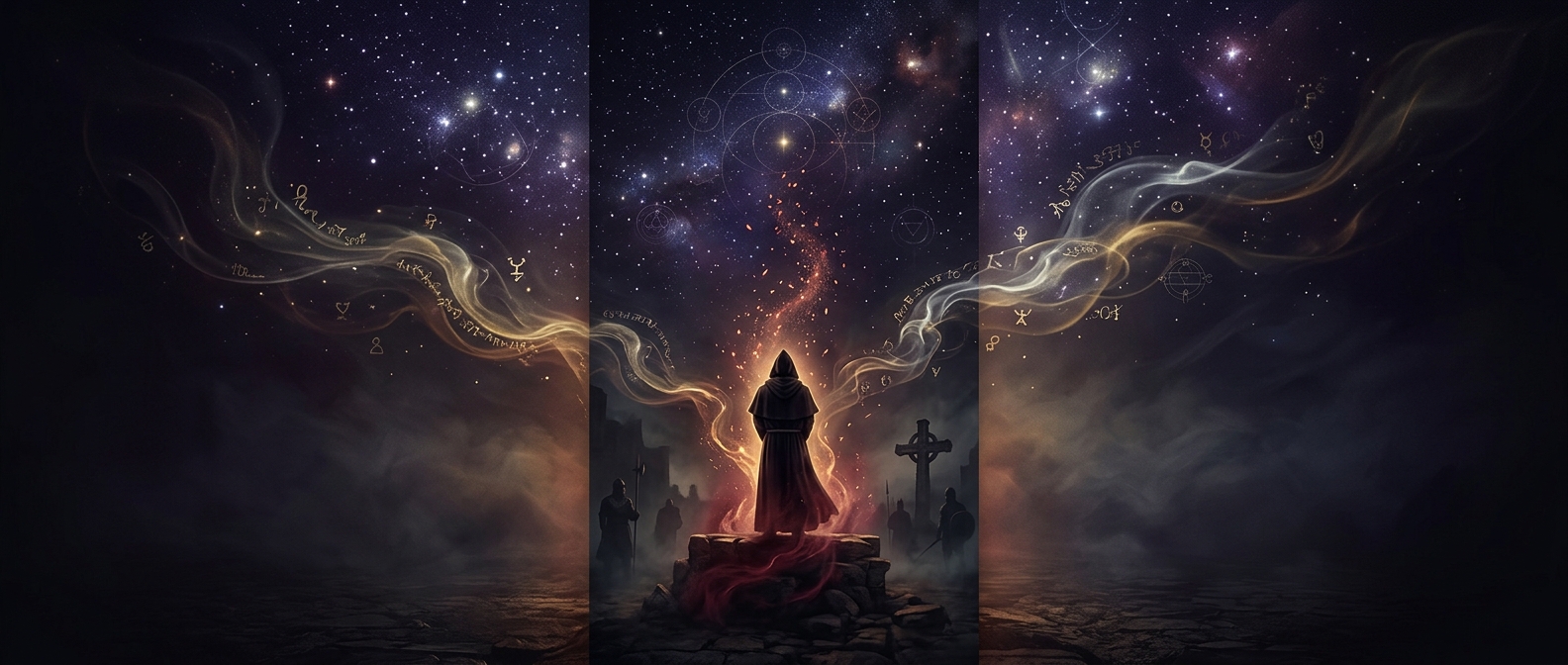
Giordano Bruno was executed in Rome in 1600 after a long trial before the Roman Inquisition, the Catholic Church’s tribunal for investigating suspected heresy. His willingness to imagine an infinite universe containing many worlds mattered—but it was only one part of a case that also involved his religious teachings and his ideas about magic.
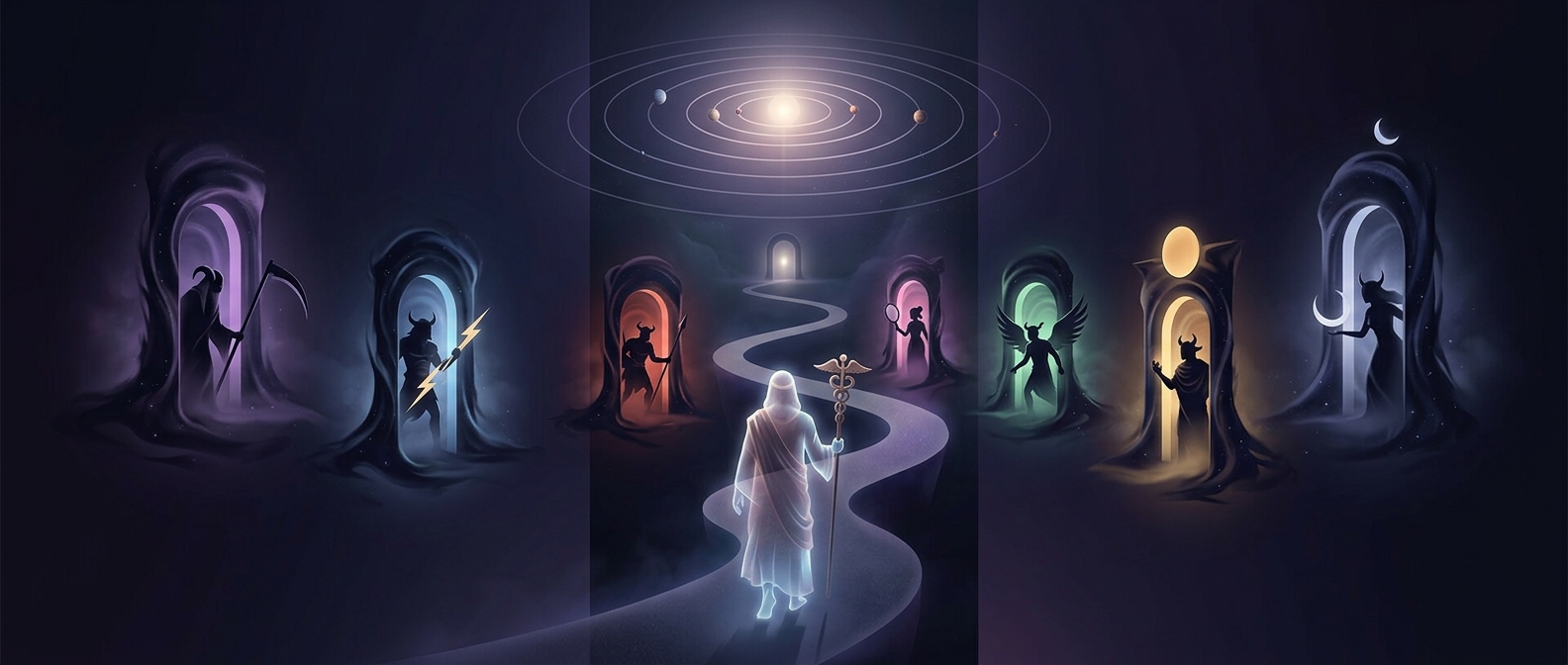
Bruno drew on Hermeticism, a Renaissance tradition built around writings attributed to the ancient sage Hermes Trismegistus. Its followers treated the natural world as alive with hidden correspondences and forces. In that setting, “magic” could mean a learned attempt to understand or influence nature through those connections, not simply spells or stage tricks. Church authorities regarded some forms of such teaching as incompatible with Christian doctrine.
A cosmology with theological consequences
Bruno argued that the universe had no outer boundary and that stars could be distant suns surrounded by other worlds. This went far beyond the familiar picture of a small, enclosed cosmos centered on Earth. It also raised questions about how to understand Christian claims about creation and humanity’s place in it.
But the Inquisition’s case was not a single dispute over astronomy. Investigators examined a range of propositions attributed to Bruno, including religious claims they considered heretical. The surviving record is incomplete, and it does not support reducing the verdict to one neat list of reasons. His blend of cosmology, philosophy, and Hermetic ideas formed a broader challenge to the boundaries church authorities sought to defend.
The danger of a simple martyr story
Bruno’s execution is often retold as the punishment of a scientist for being right about the universe. That version leaves out the religious and philosophical dimensions of his beliefs—and makes his trial sound like a straightforward clash between modern science and the Church. His case shows instead how, in his era, explanations of nature could be bound up with arguments about God, scripture, and legitimate knowledge. The stake marked the end of a heresy trial, not a verdict on one astronomical theory alone.