Why the Wedding Turns Execution into Renewal
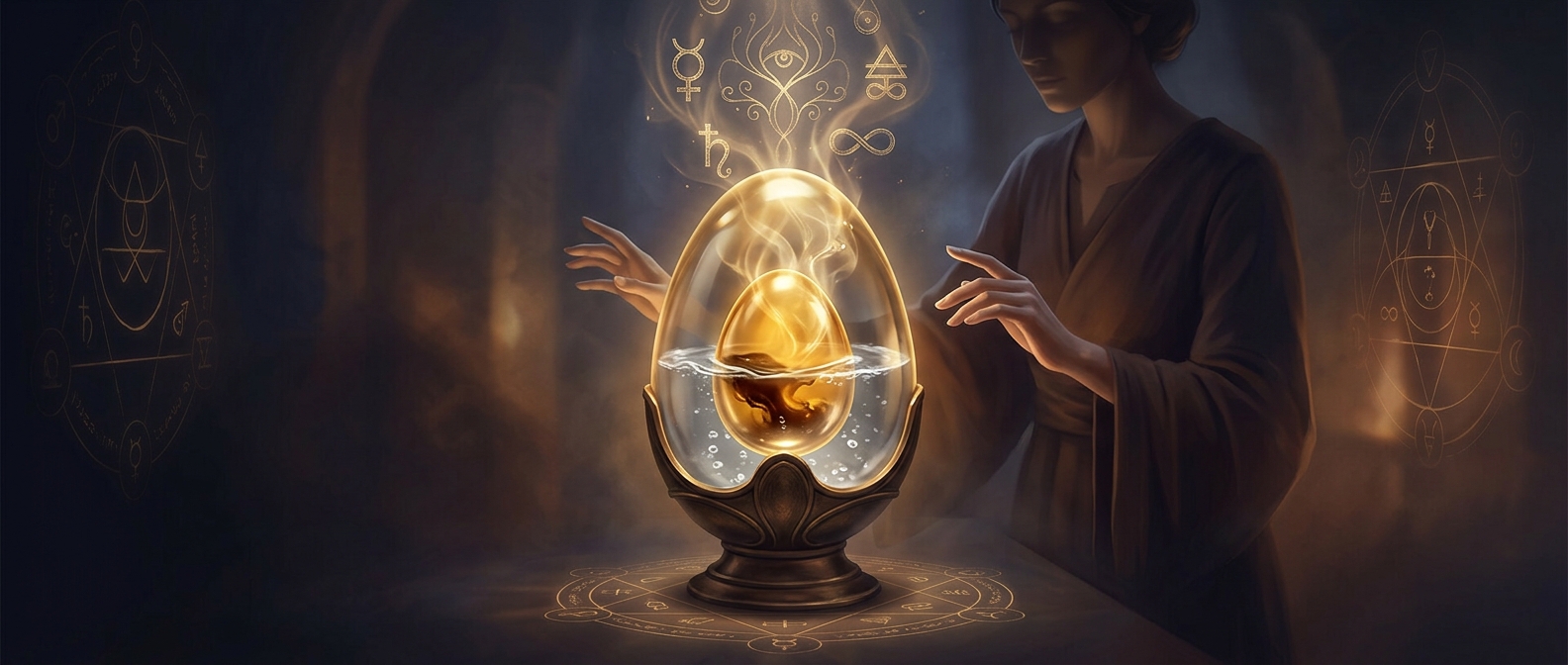
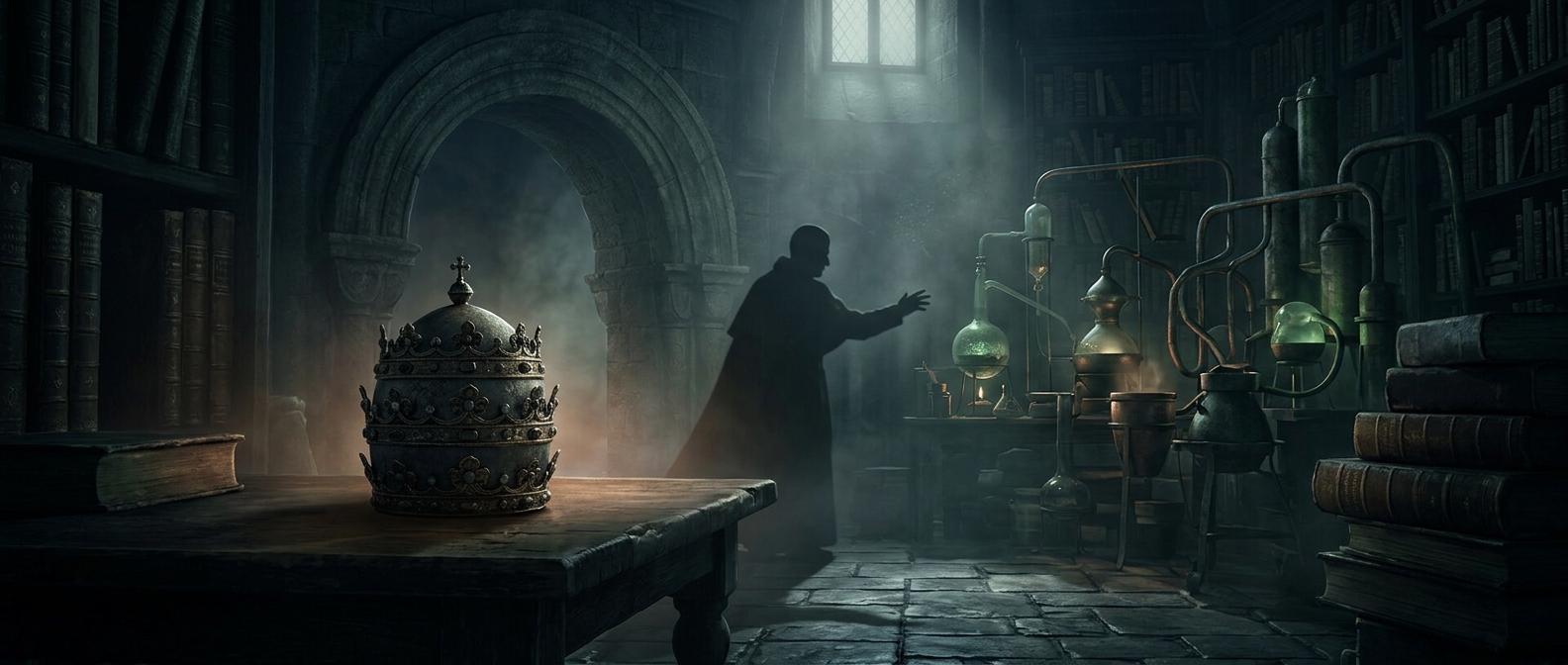
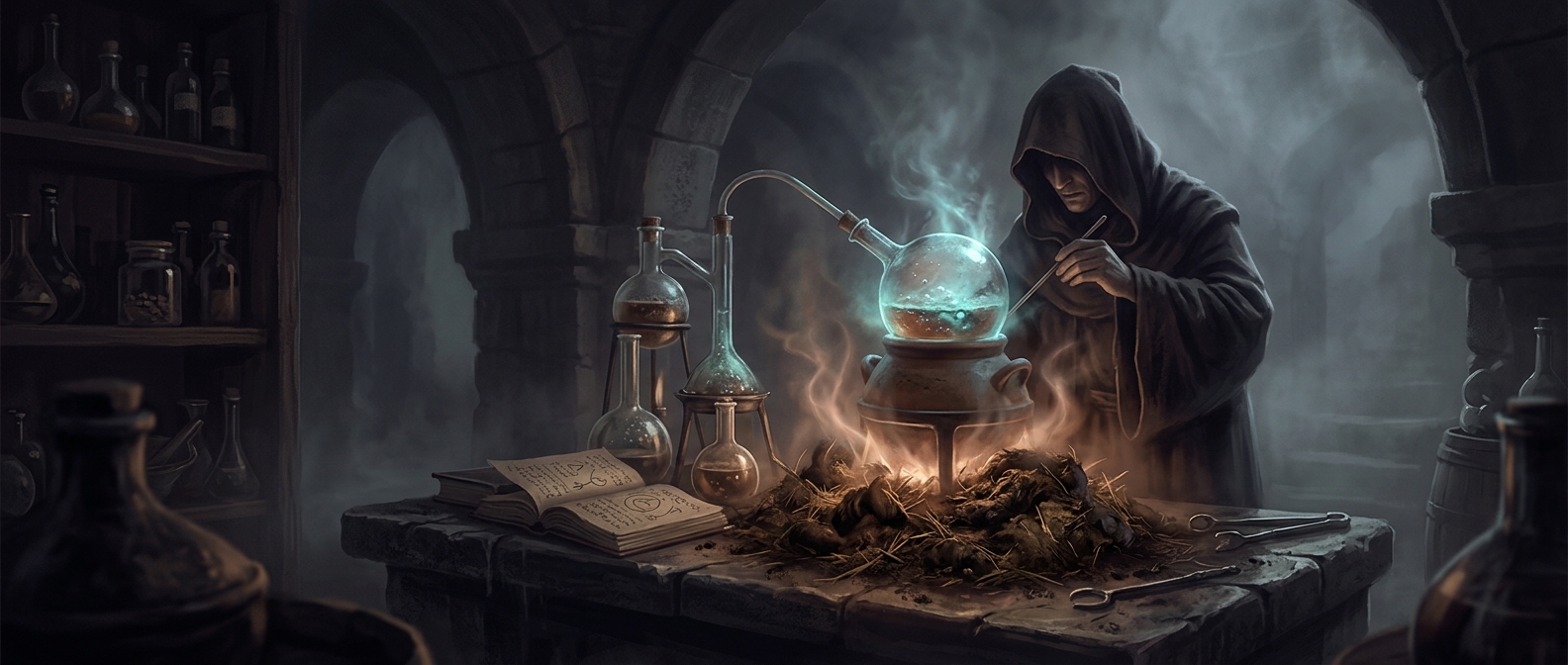
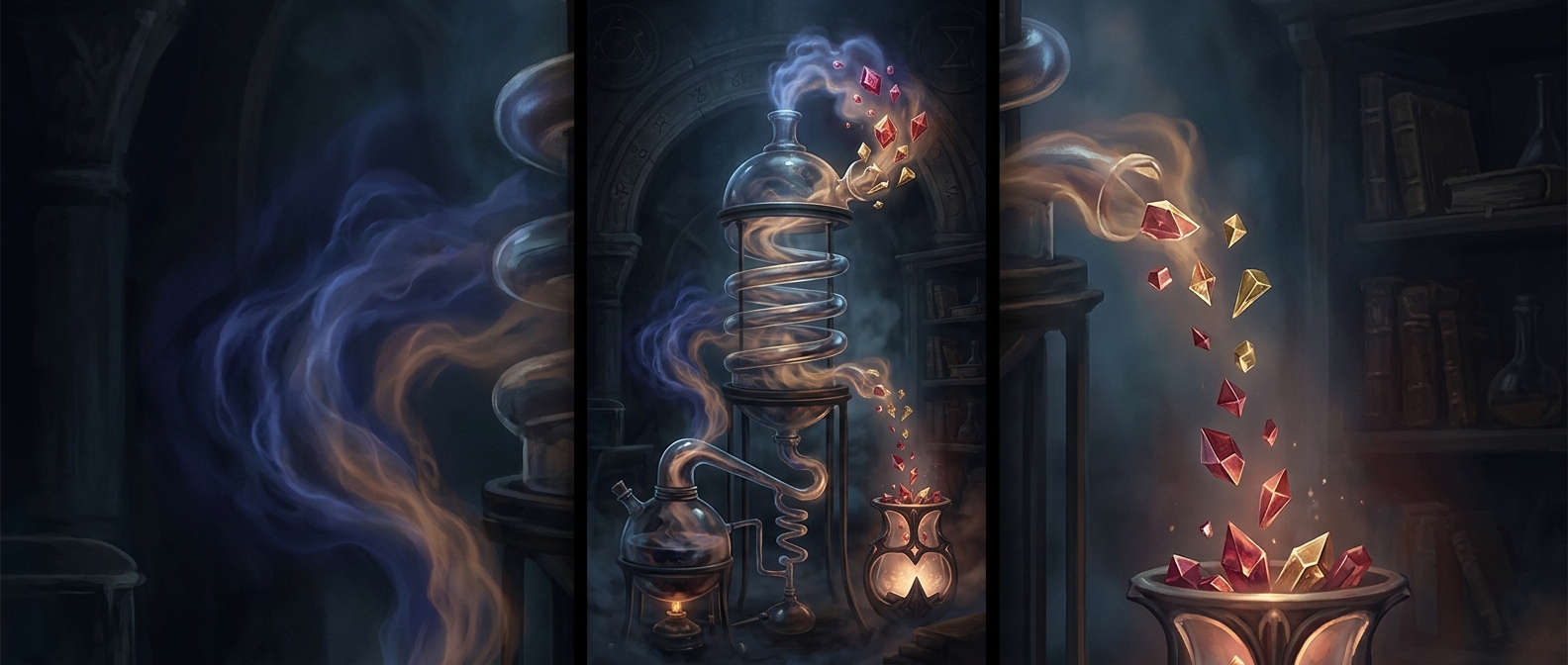
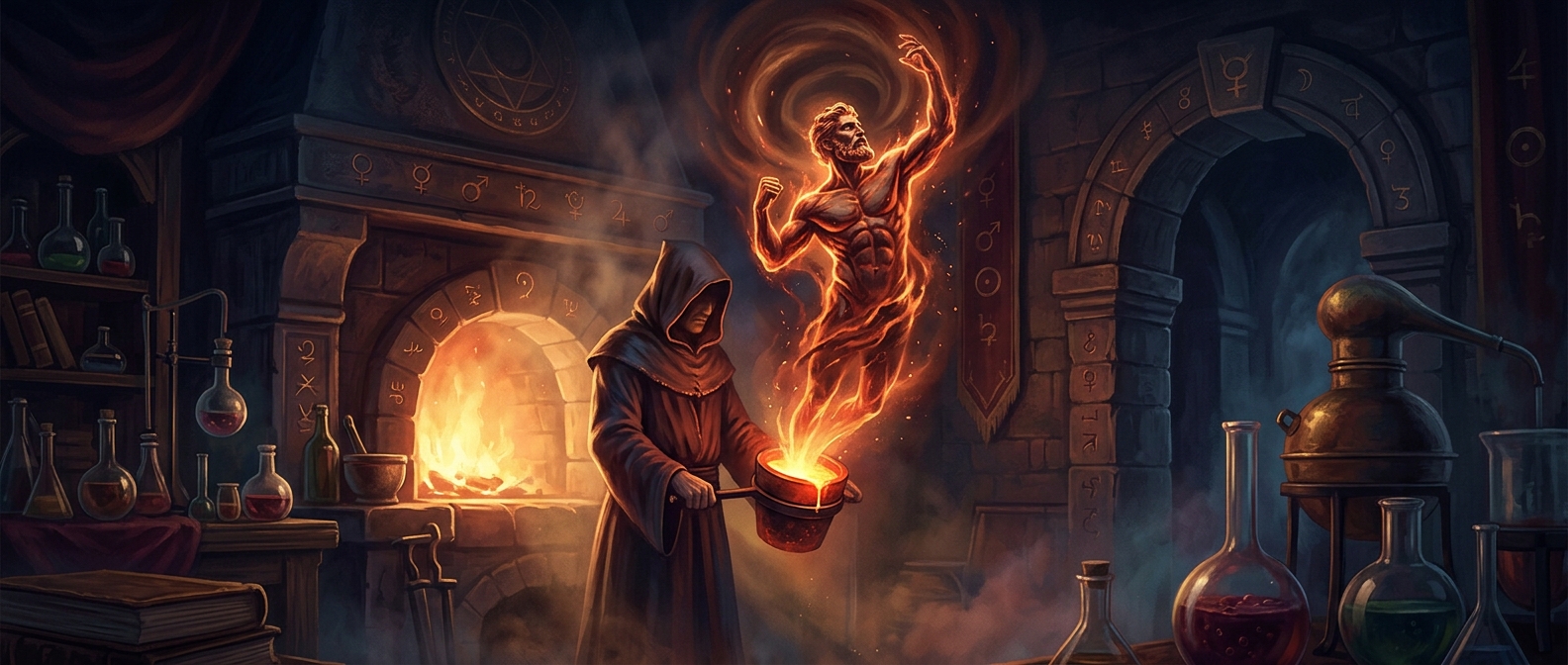
The gruesome climax of The Chymical Wedding of Christian Rosenkreutz is not simply horror for horror’s sake. Its images draw on alchemy, the early modern art and practice of transforming substances, which writers also used as a language for inner change. In that vocabulary, breaking something down could be the necessary first stage of making it new.
The wedding’s royal guests are killed, their bodies reduced and worked over, and a new couple eventually emerges from the process. The sequence makes the story’s central transformation brutally concrete: renewal comes through the destruction of an old form. The text never supplies a tidy key that explains every image, so the scene can suggest spiritual rebirth without reducing to a single fixed interpretation.
A Trial Disguised as a Celebration
The narrator, Christian Rosenkreutz, arrives expecting a wedding but finds himself tested through a series of strange ceremonies and challenges. The invitation is therefore more than a summons to watch a royal celebration: it draws him into a hidden order whose members must prove they are worthy to witness—and take part in—its work.
That structure connects the tale to the Rosicrucian writings circulating in German-speaking Europe in the early seventeenth century. Those anonymous publications described a secret brotherhood devoted to religious and intellectual renewal, prompting debate about whether the order existed and what its message meant. The wedding story gives that promise an unsettling theatrical form: knowledge is not handed to the guest; it must be approached through ordeal and interpretation.
The Mystery Was Part of the Design
The book appeared in 1616, without naming its author. It is commonly associated with the German writer Johann Valentin Andreae, though the story’s deliberately enigmatic style makes certainty about its intended meaning difficult. Its mix of Christian symbolism, alchemical imagery, comedy, and menace invites readers to treat the narrative as a puzzle rather than a report of an actual event.
That ambiguity is the point of the ending’s shock. The royal couple’s reconstruction turns a wedding into an image of transformation—and leaves readers to decide what, exactly, has been reborn.