Why a rooftop pool matters to a ship’s balance
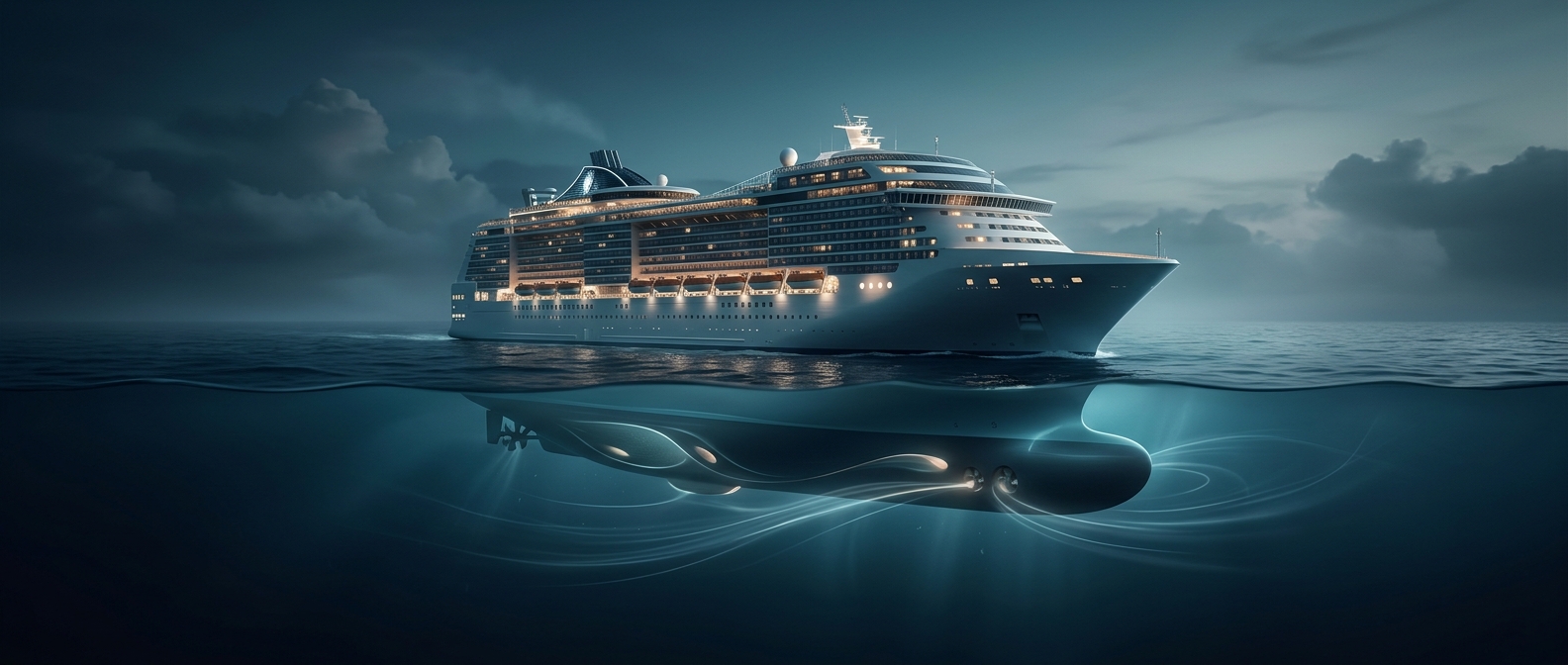
A ship stays afloat by pushing aside enough water to support its weight. But staying upright is a separate challenge: when the ship tilts, the shape of its hull and the distribution of its mass determine whether it tends to right itself or lean farther over.
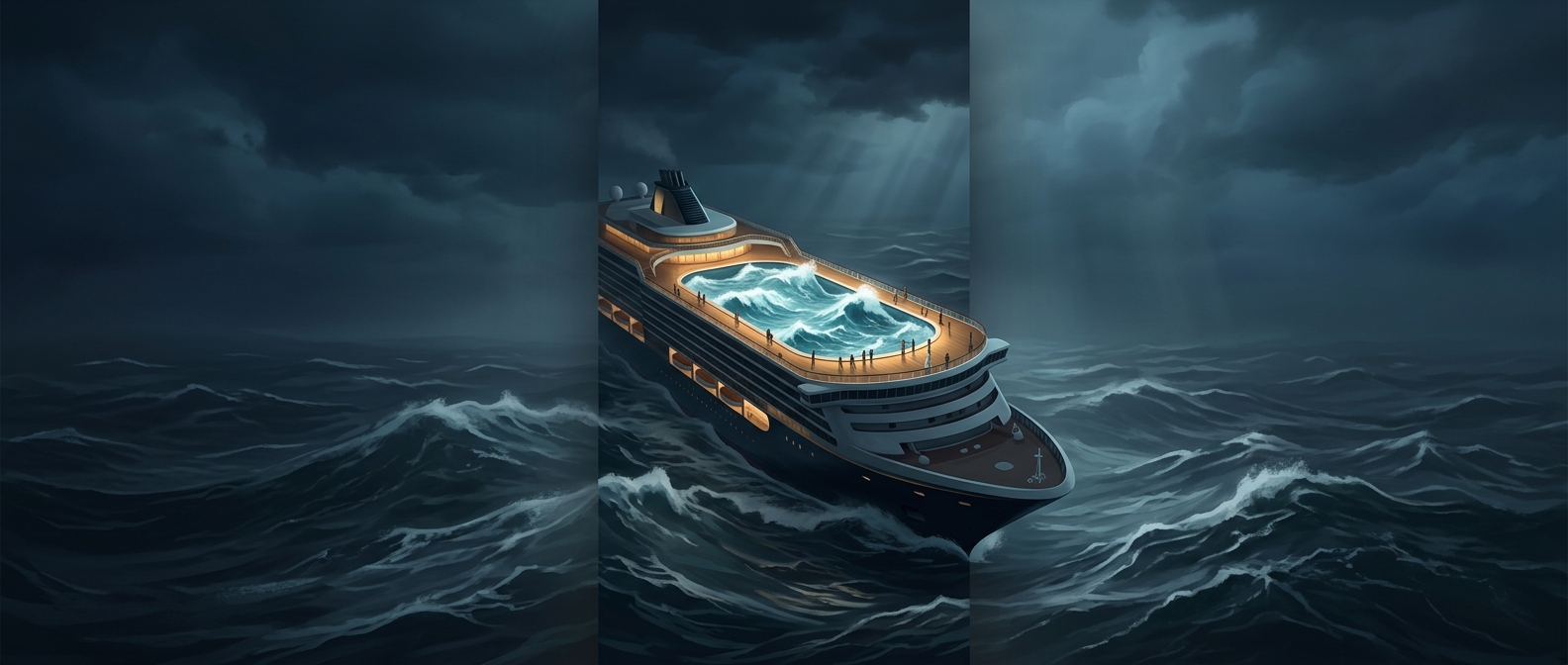
A pool adds weight well above the hull. Weight placed high raises the ship’s center of gravity, making it less resistant to rolling. The water itself creates another complication: as the ship moves, pool water can surge toward the low side. That shifting load can amplify a roll, an effect engineers call the free-surface effect.
The tradeoff is managed across the whole vessel
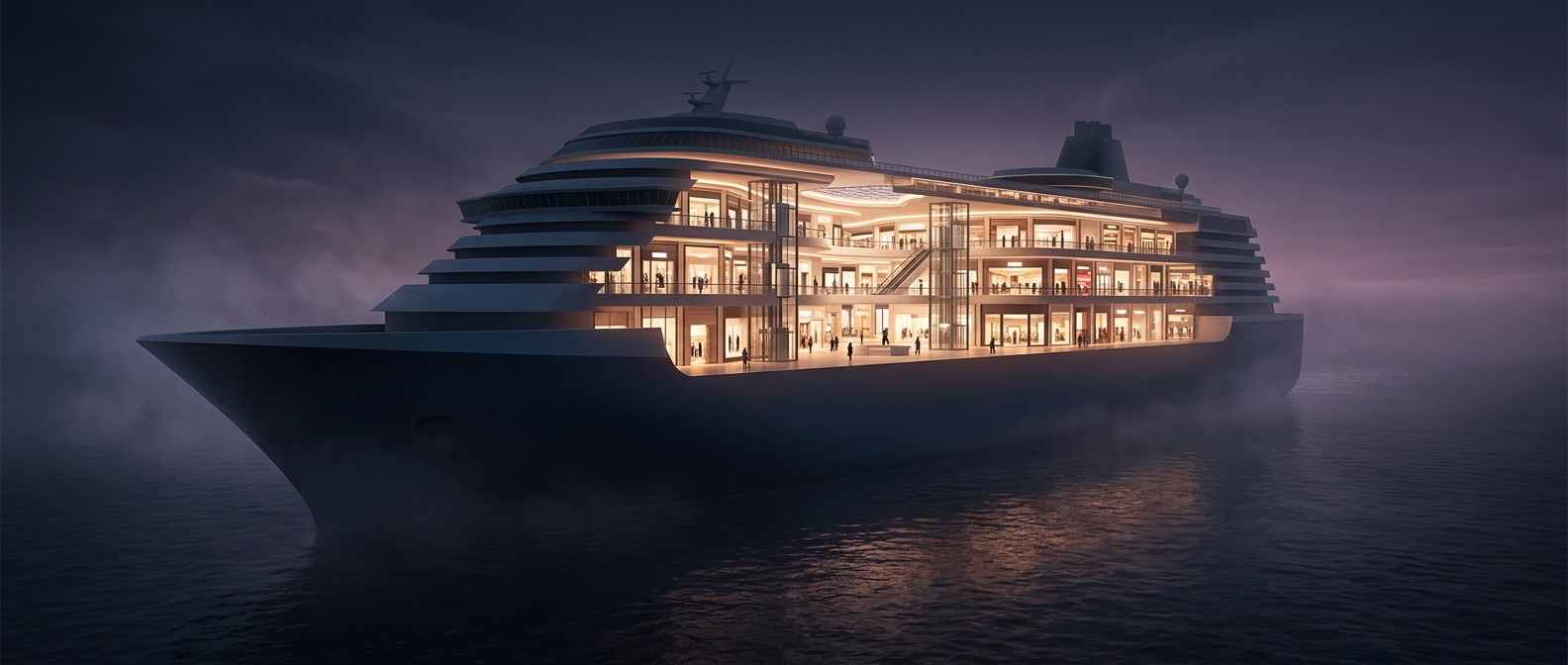
Designers account for the pool as part of the ship’s overall weight and stability plan—not as an isolated feature. The hull’s width and shape provide resistance to tilting, while heavy equipment and other loads can be arranged lower in the vessel to help keep its center of gravity down. The pool’s size and location also matter because they determine how much water is carried and how far it can shift.
That balance must work as the ship changes condition: fuel and supplies are used, passengers move around, and weather pushes the vessel. A pool is therefore a real engineering load, not just a leisure amenity. Its presence makes the ship’s stability calculations more demanding, while the broad, carefully arranged vessel makes that elevated recreation space possible.