Turning a shifting wind into a sign
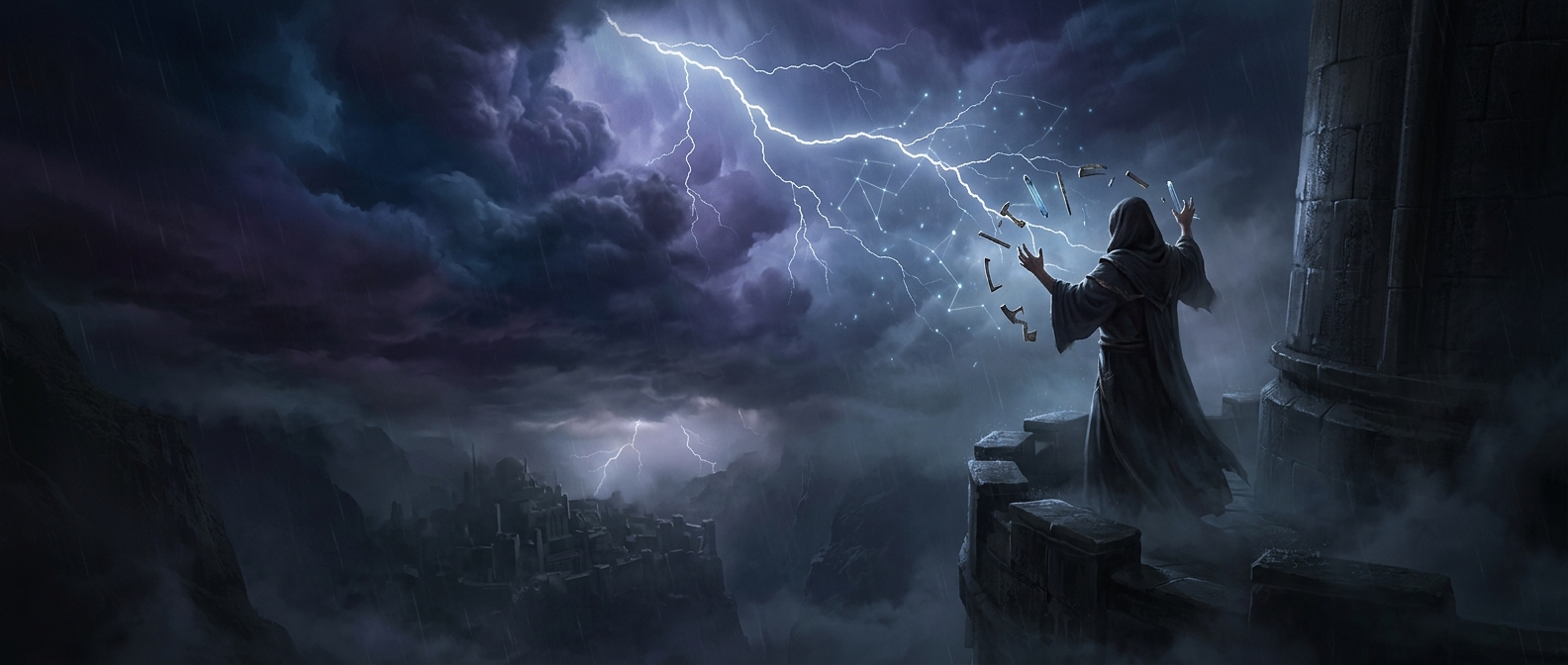
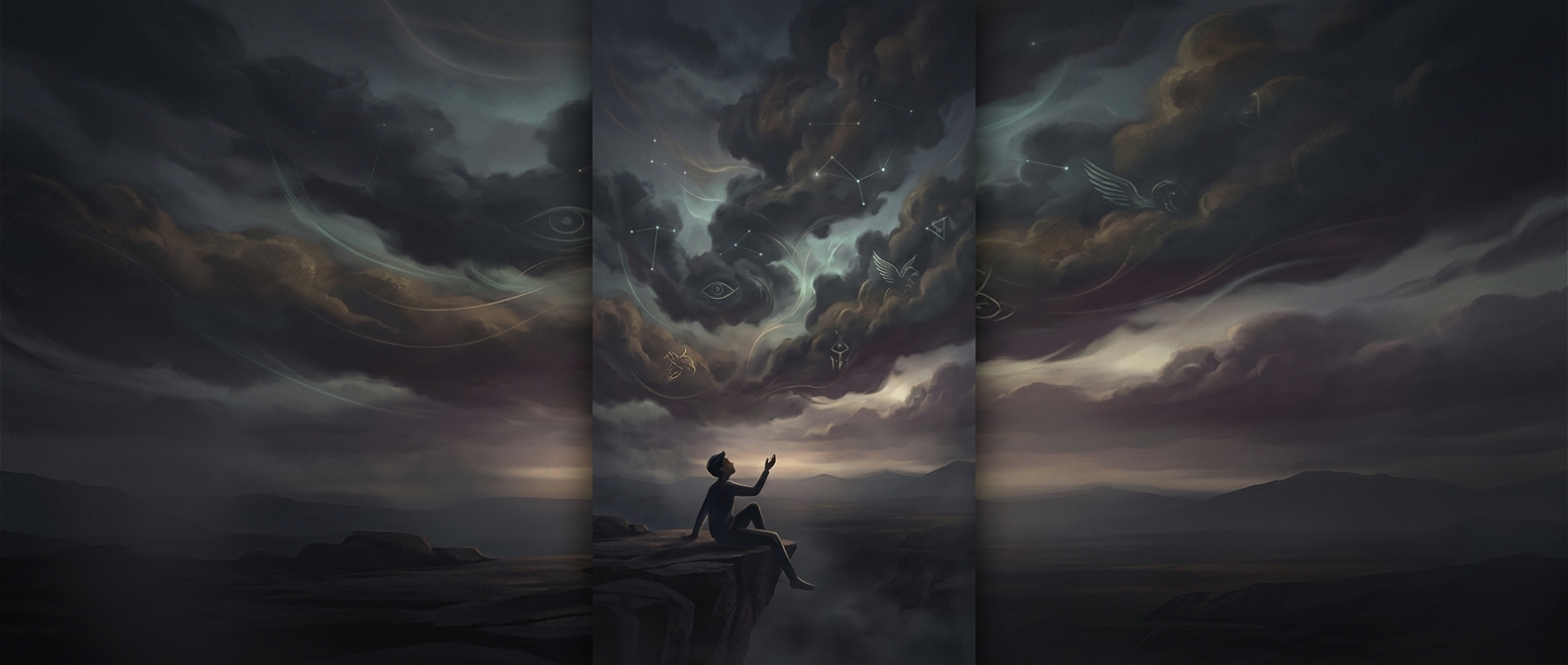
Austromancy treats wind as something to interpret, not merely weather to endure. Its practitioner attends to qualities such as direction and force, then connects those observations to meanings within a divinatory tradition. A north wind, for example, may be read as a sign of coming wealth when it blows strongly.
The same gust can have a practical explanation and a symbolic one. Air moves because of differences in pressure and temperature; divination adds a human meaning to that movement. The prediction is therefore part of a system of belief, not a reliable forecast of someone’s finances.
Why the direction matters
Wind is visible in its effects: it bends branches, drives clouds, and changes how a place feels. That makes it an immediate, memorable subject for reading signs. Direction gives the observation a further distinction—this is not just “wind,” but wind arriving from a particular quarter, with a particular character.
Interpretations can differ across traditions, so the north-wind reading is one meaning rather than a universal rule. Its appeal lies in turning an unpredictable force into a message. Whether or not the omen is believed, a strong gust still delivers its most certain consequence: it can rearrange your hair before any fortune arrives.