The Damage Starts in the Skin’s Surface Cells
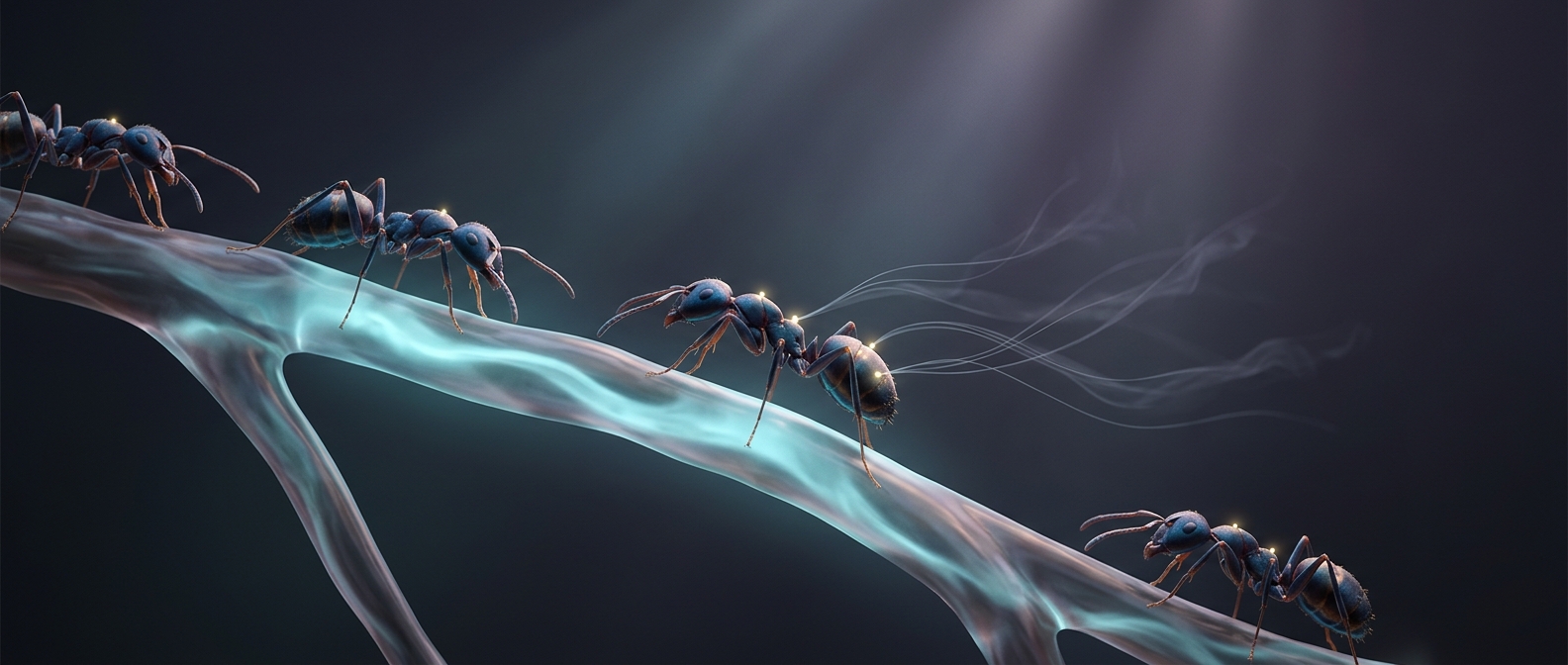
Ultraviolet light from the sun—especially UVB—can damage the DNA inside skin cells. Some badly injured cells activate a self-destruct process called apoptosis, which helps prevent damaged cells from carrying on as if nothing happened. Under a microscope, these dying cells are sometimes called “sunburn cells.” The name sounds dramatic, but the pain does not come from cells bursting or from tiny wounds being directly felt.
Instead, injured cells send out chemical distress signals. The immune system responds with inflammation: nearby blood vessels widen, making the skin look red and feel warm, while fluid and immune activity contribute to swelling.
Why the Burn Hurts More Later
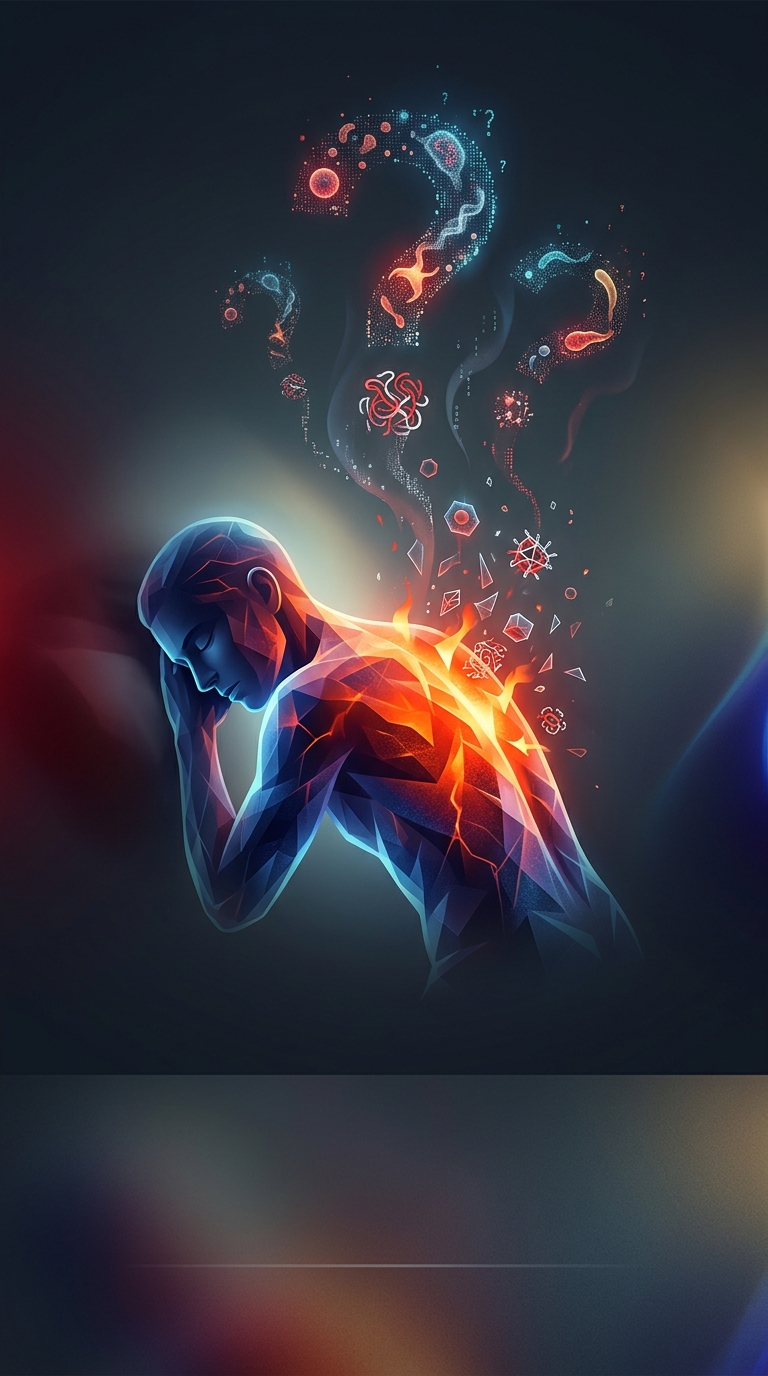
Those inflammatory chemicals also make pain-sensing nerve endings in the skin more sensitive. A touch, warm shower, or even clothing can then hurt because the nerves react more strongly than usual. The redness and soreness often build over several hours as the inflammatory response gathers; the damage began during exposure, but the full alarm takes time to develop.
This is why falling asleep on the beach can seem harmless until later. By the time the skin is conspicuously painful, its cells have already been responding to UV injury for hours. Peeling comes later, as the body sheds damaged surface cells and replaces them. The microscopic event behind the sting is therefore not a single dramatic rupture, but a chain reaction: UV-damaged cells trigger inflammation, and inflammation turns ordinary touch into pain.