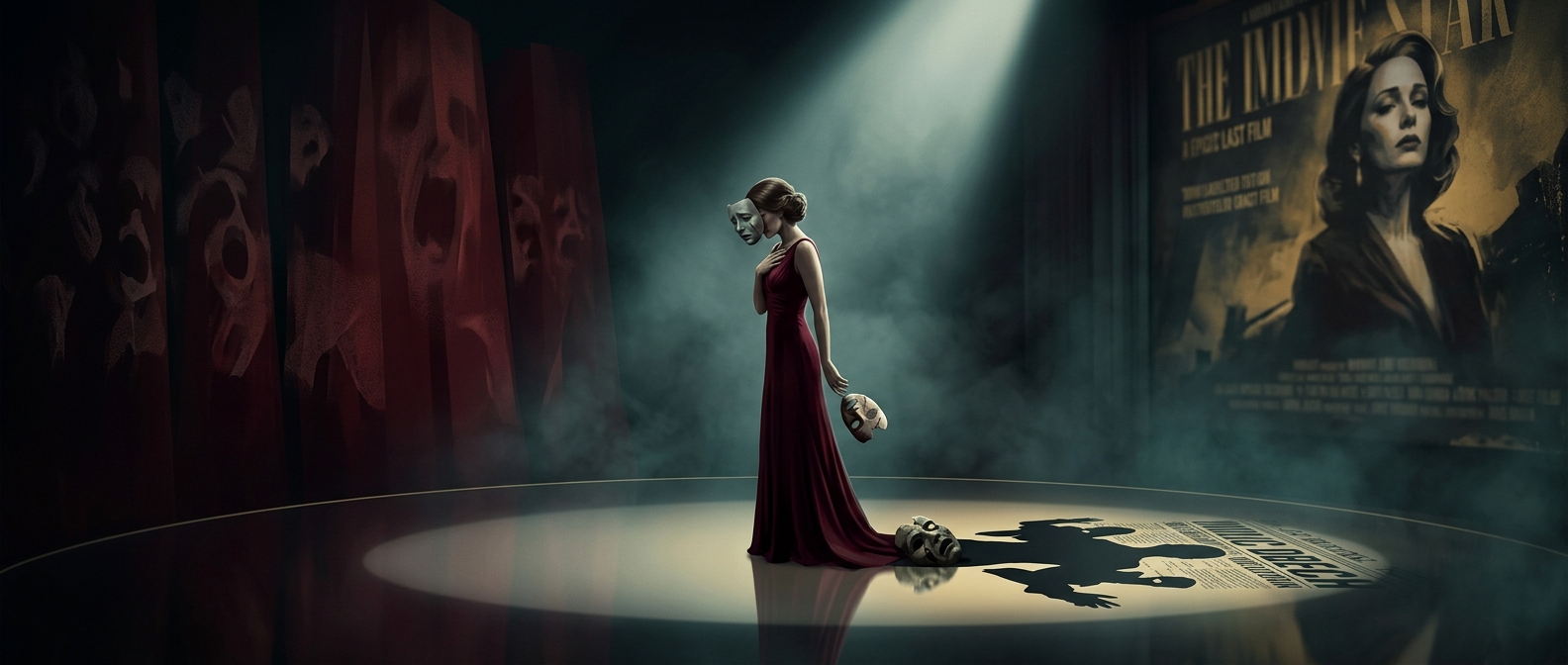
Turning an Unknown Actress Into a Name
In early movies, studios often kept performers’ names out of public view. That policy helped keep audiences focused on the films—and made it harder for actors to use personal fame as leverage when negotiating pay or roles. A popular face could draw crowds, but if viewers did not know who she was, the studio held the advantage.
Carl Laemmle saw an opportunity in that imbalance. He promoted Florence Lawrence by circulating a false report that she had died, then revealing the story as a publicity stunt in advertisements for her next film. The shock was the hook; the reveal connected the name “Florence Lawrence” to an actress audiences could recognize.
Publicity That Changed the Bargain
The stunt did more than attract attention to one release. It gave moviegoers a name to ask for and gave Lawrence a public identity beyond any single studio’s screen. Once audiences could follow a performer, her popularity became something studios had to compete over—not merely a resource they could keep anonymous.
That was the larger consequence of the stunt: it helped turn movie performers into attractions in their own right. The fake death made the news, but the lasting shift was that audiences could begin treating an actor’s name as part of what they went to see.