A cartoon caught in the shutdown
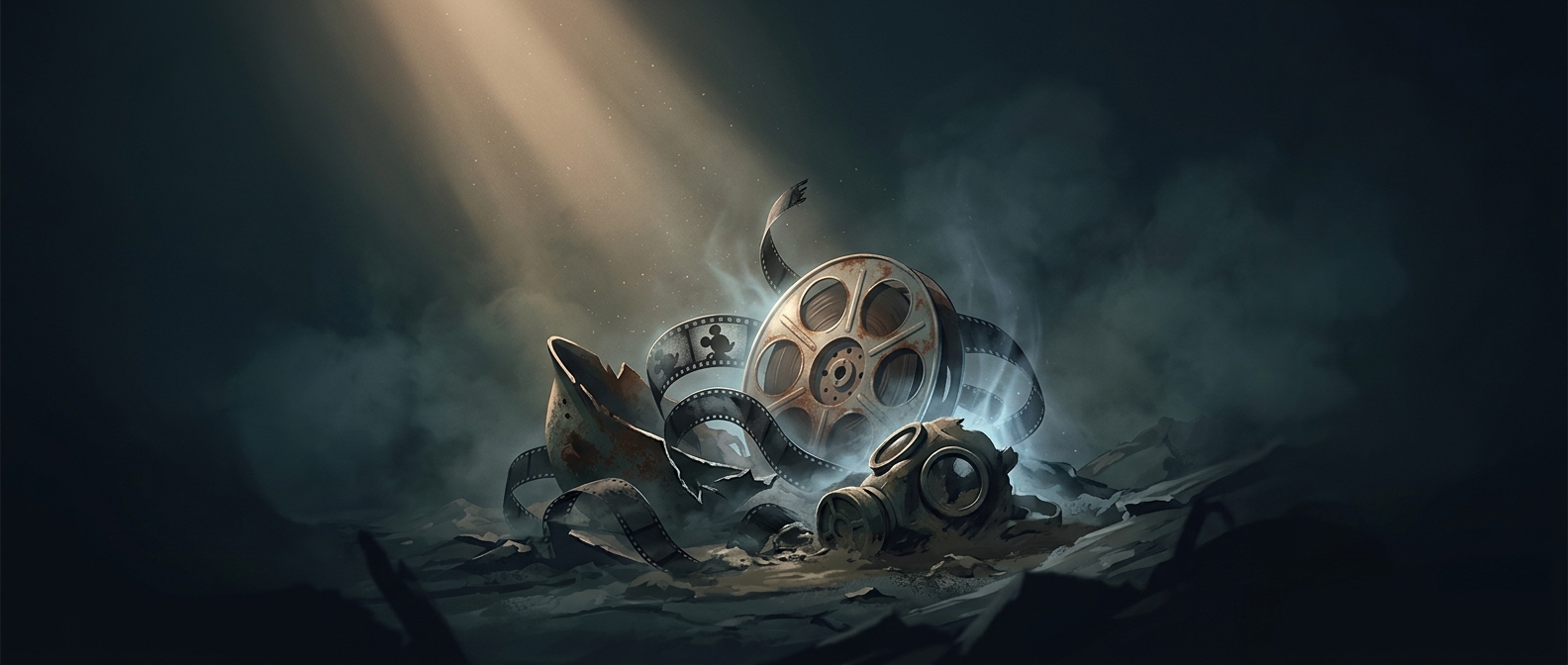
On September 1, 1939, the BBC stopped its television service as Britain prepared for war. The interruption came during a Mickey Mouse cartoon, turning an ordinary broadcast into an unusually abrupt marker of the moment civilian television went dark.
The concern was not that a cartoon could reveal military secrets. It was the television signal itself: BBC’s powerful VHF transmitter at Alexandra Palace sent radio waves across London, and officials feared that German forces might detect those emissions and use them to help locate the transmitter or guide attacks. With war imminent, keeping the service on air was judged an unnecessary risk.
Seven years between scenes
Television did not return when the immediate danger passed. Britain remained at war until 1945, and restarting a broadcast service required restoring equipment and rebuilding programming after years of wartime interruption. The BBC resumed television on June 7, 1946.
The return began with the same cartoon that had been on the screen when service stopped. That continuity made the shutdown feel almost like a pause in a recording: a character and a scene had been left behind in 1939, while the country went through six years of war and its aftermath. For viewers who remembered the abrupt cutoff, the resumed episode offered a small, tangible link between the television they had lost and the service they were watching again.