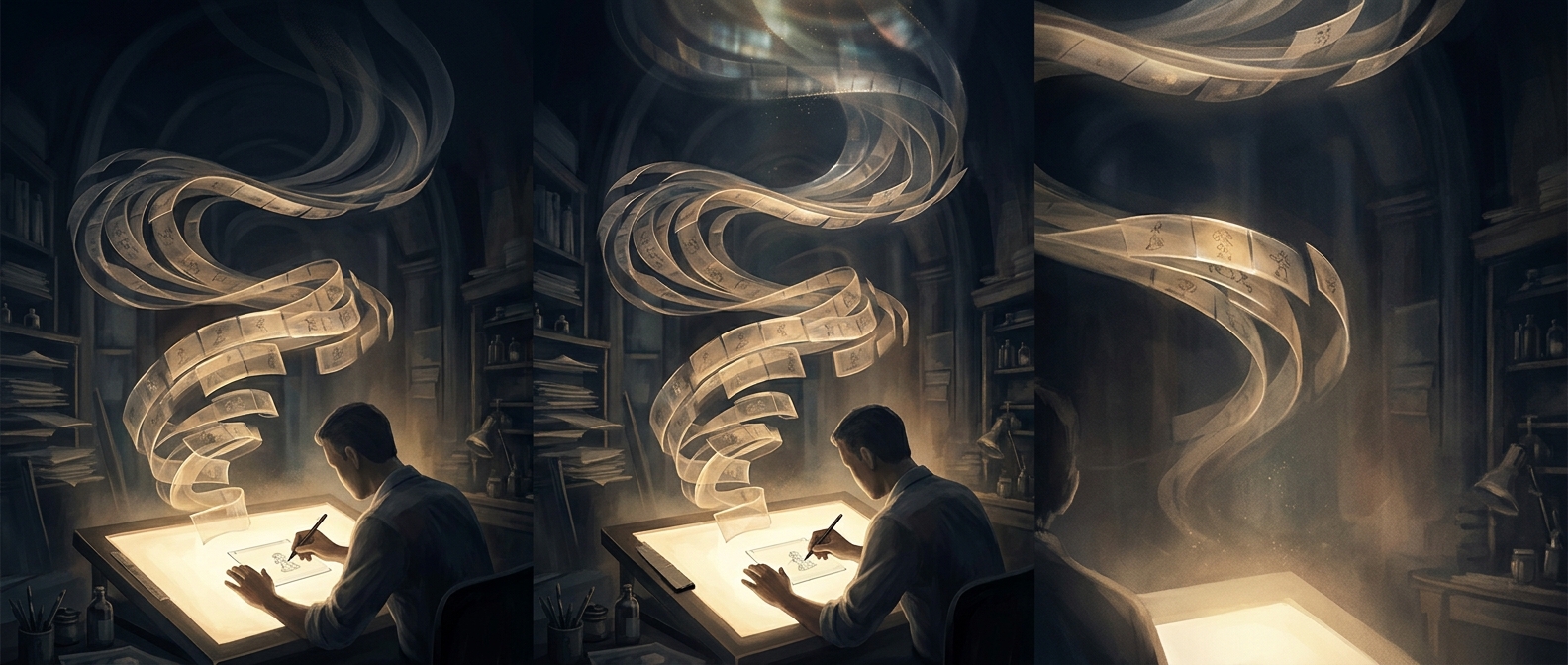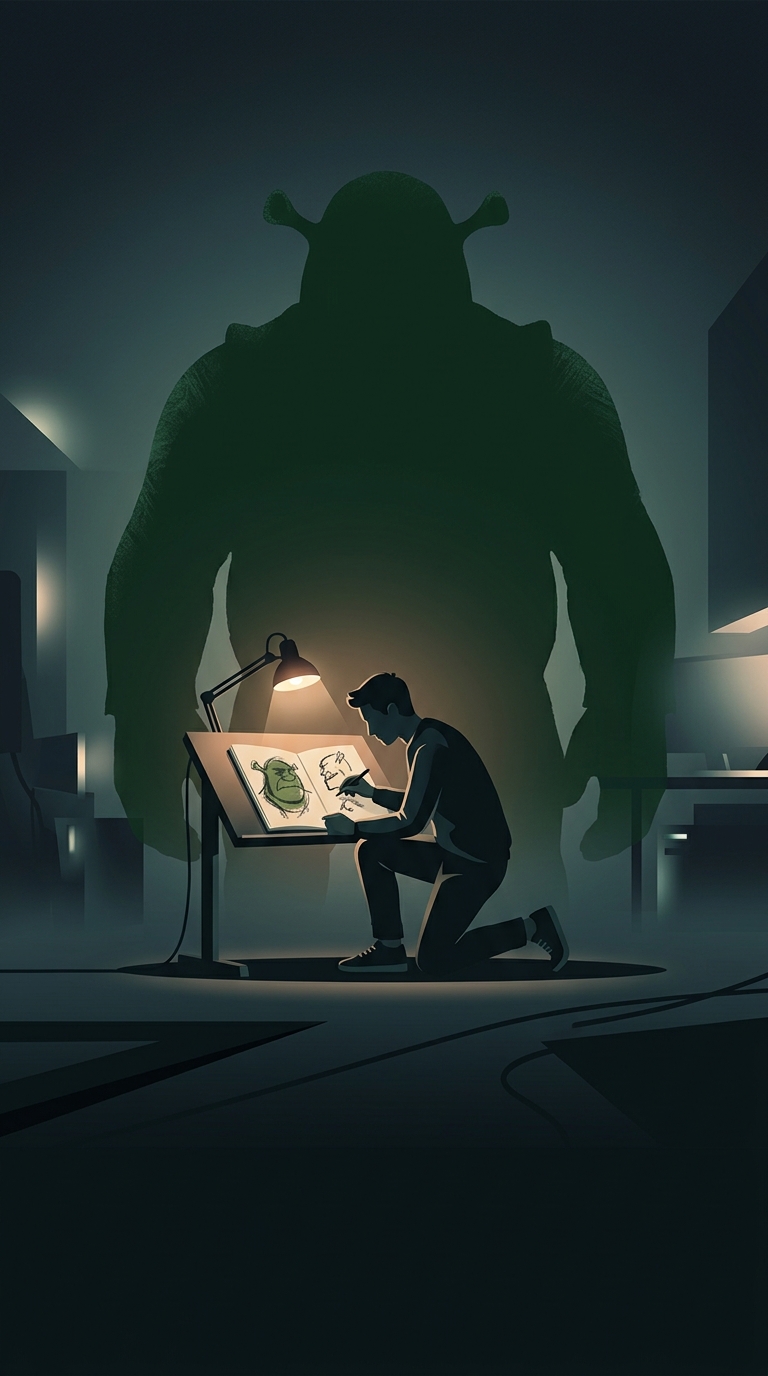
Why Shrek became a dreaded assignment
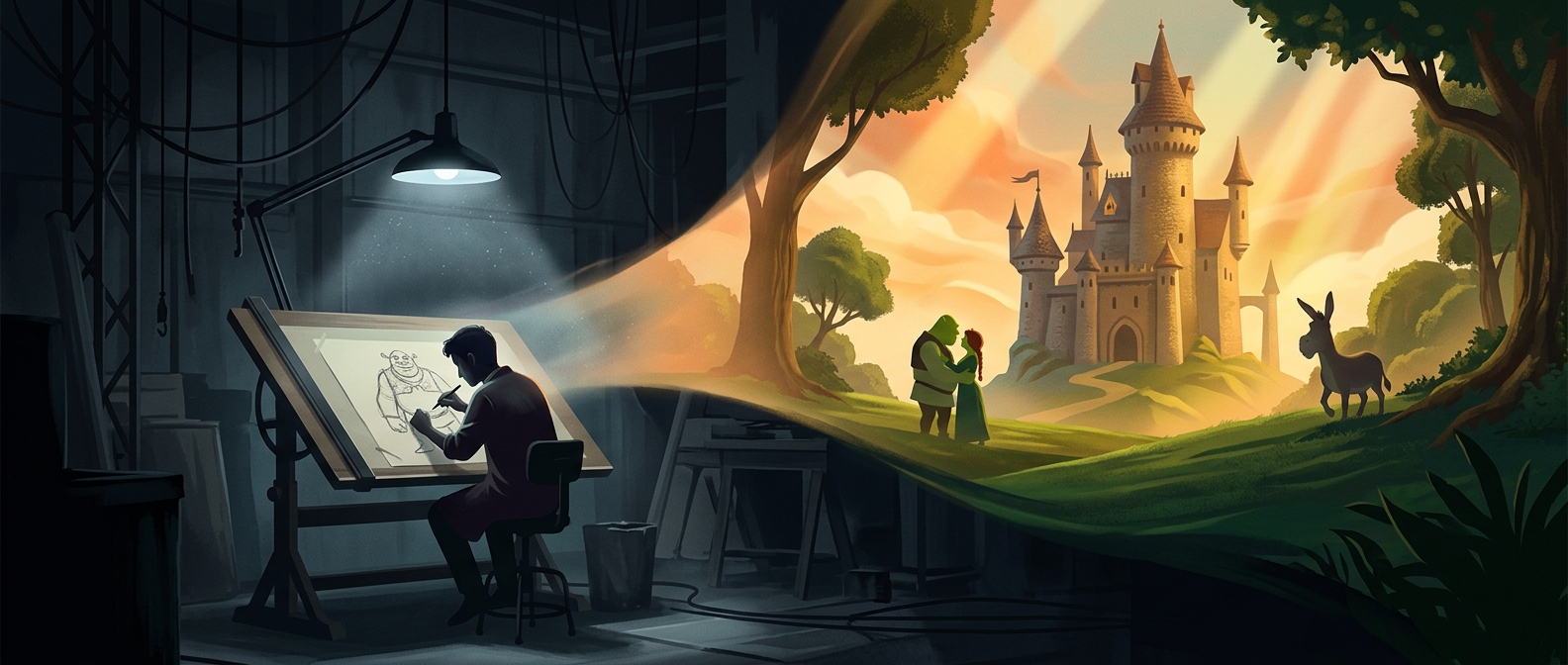
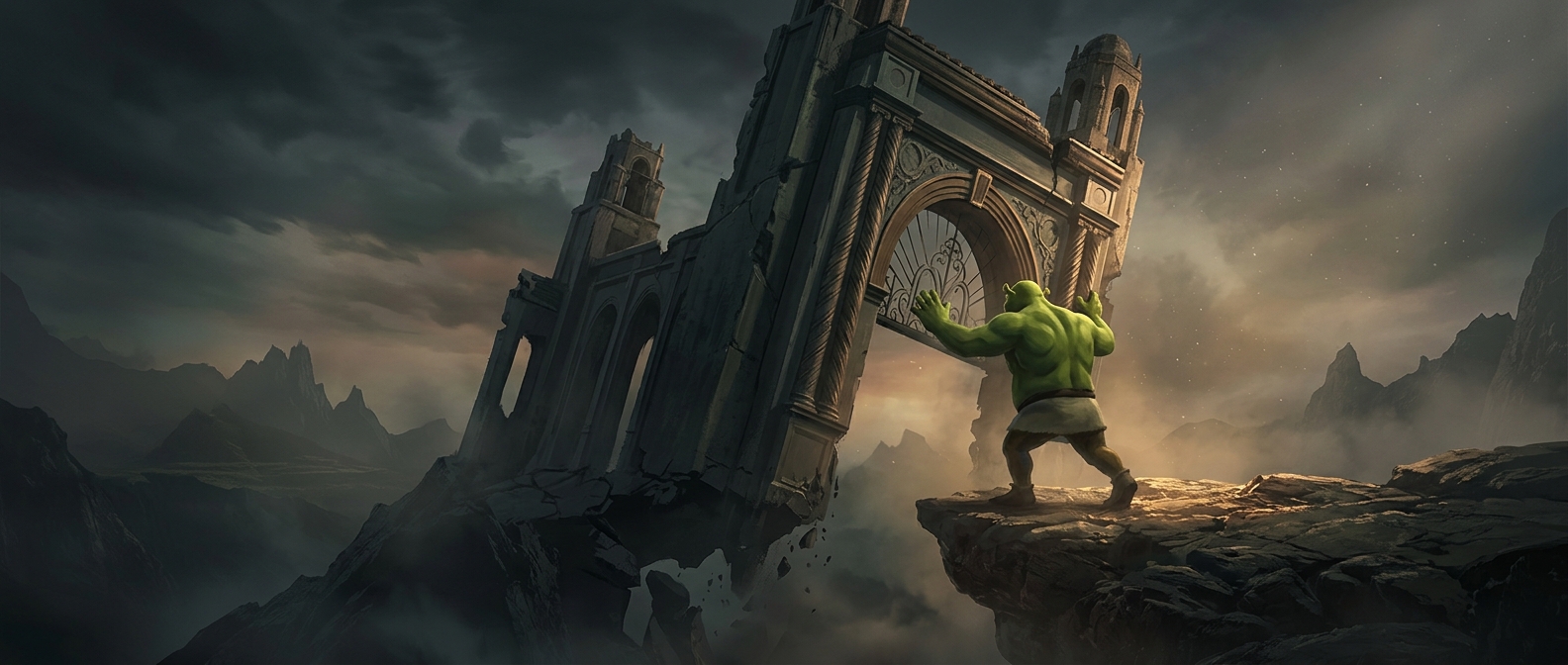
The “punishment” reputation was less about the ogre’s story than about the work it demanded. Shrek was an unusually awkward problem for a computer-animated feature: its world was muddy, lumpy, and full of surfaces that did not look like the polished, idealized settings computer graphics handled most easily.
An animator could not simply make Shrek move. The character had to feel heavy and expressive while his face, skin, clothes, and surroundings all held up in close-up. A swamp scene might require convincing mud, water, plants, and light at once. If one element looked artificial, the whole scene could lose the rough, lived-in quality the film depended on.
A new kind of performance
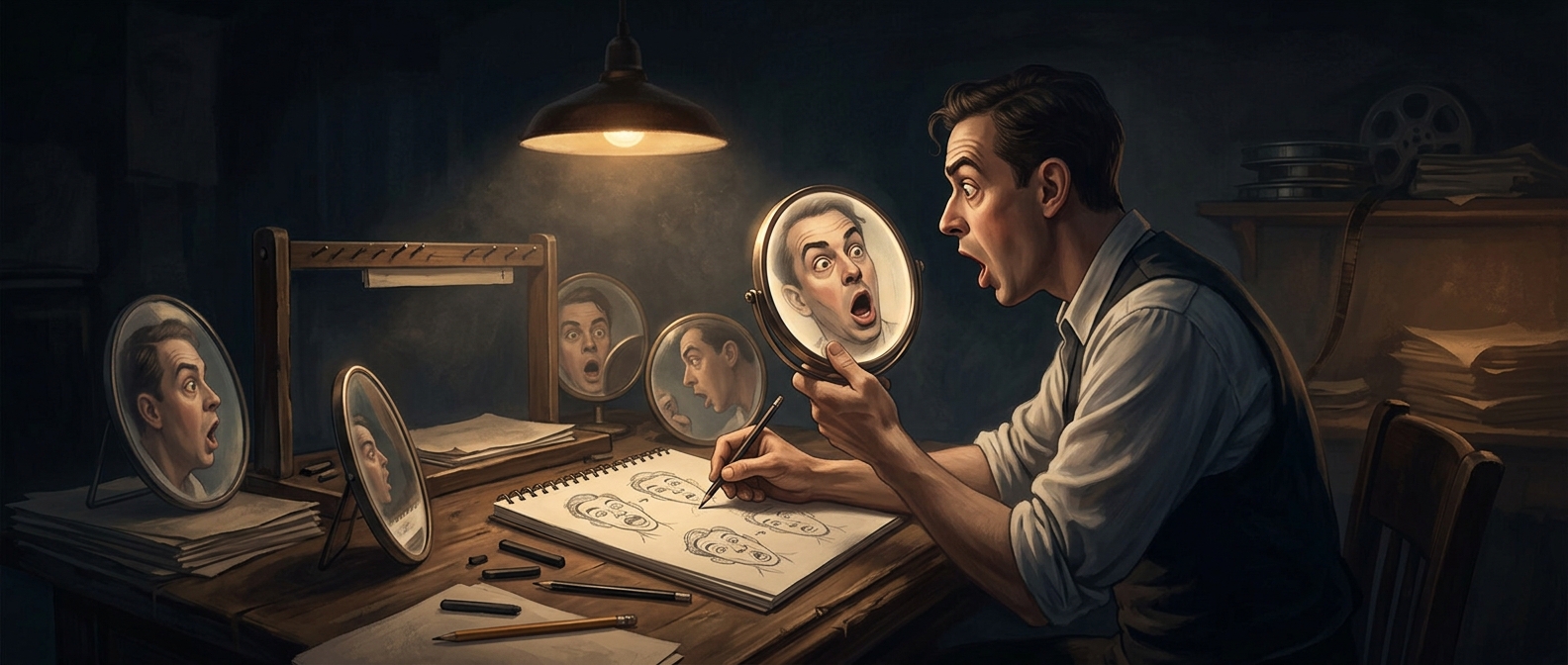
The film also asked computer animation to carry a comedy performance. Shrek’s appeal rests on small shifts in expression and timing: a glance, a pause, a change in posture. Those choices had to be translated into a digital character rather than captured from a live actor’s face. Making an ogre funny and emotionally readable meant solving both technical and acting problems, shot by shot.
That workload landed during a period when DreamWorks was building its feature-animation operation. The tools and production methods were still developing, so artists faced the added friction of making the pipeline work while using it. The job combined demanding character animation with a world designed to look deliberately unglamorous.
The irony is that the qualities that made the assignment difficult became central to the finished film: Shrek’s roughness, his expressive face, and a fairy-tale world that felt cheerfully unpolished. What could feel like drudgery in production became part of the movie’s distinctive comic voice.