How a training set becomes a blind spot
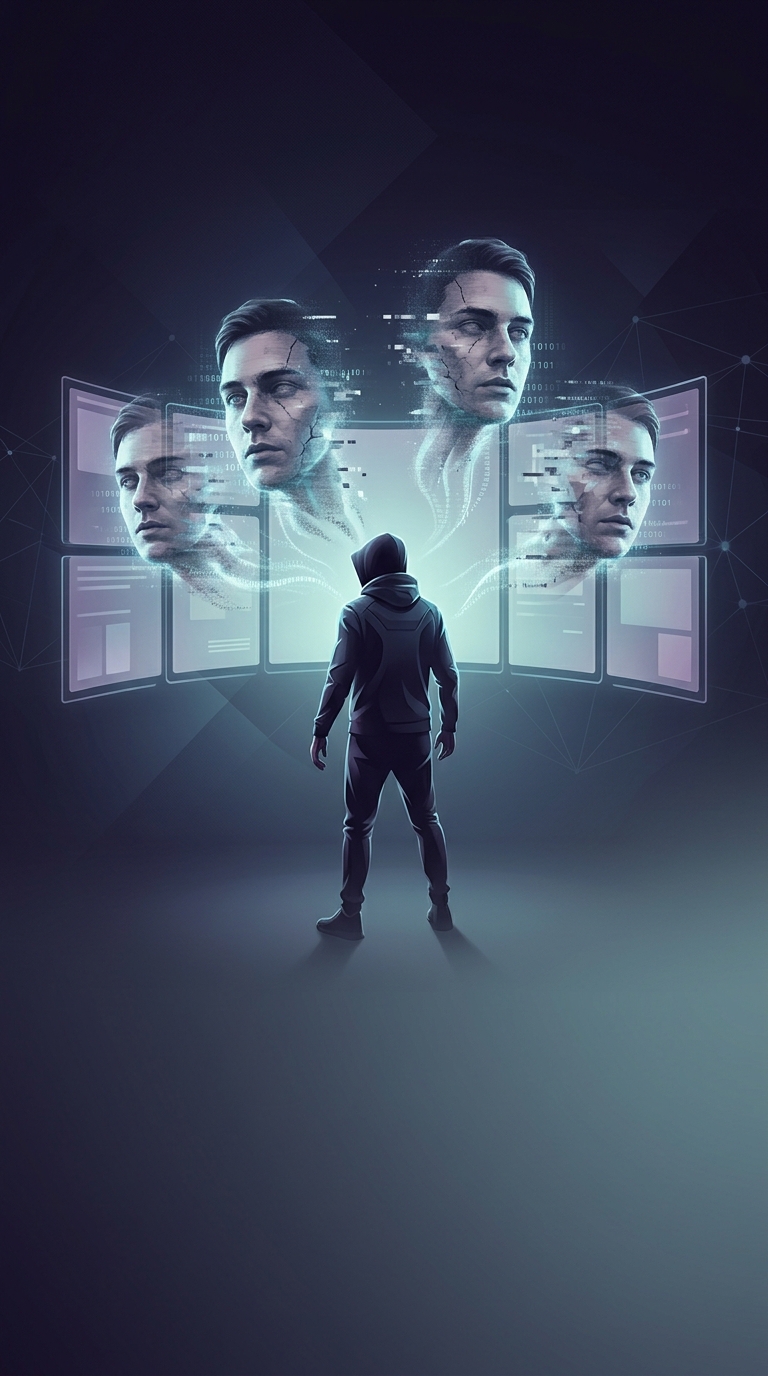
A facial-recognition system does not understand faces the way a person does. It learns statistical patterns from examples: during training, it adjusts its internal calculations so images of the same person tend to produce similar numerical representations, while images of different people tend to produce different ones. If some skin tones are underrepresented—or are photographed under different conditions—the system has less evidence for working reliably across those cases.
That imbalance can affect more than one step. A face detector must first locate a face in an image; a later matching system compares that face with another image or a stored record. Errors at either stage can be more common for groups poorly represented in the relevant data. Lighting, camera quality, image resolution, and the way training examples are labeled can also influence results. The outcome is not simply a machine repeating an explicit prejudice. It is a system whose learned patterns and operating conditions can produce unequal error rates.
“Accuracy” depends on who is measured
A single overall accuracy score can conceal those differences. If a test set contains many examples from one group and few from another, strong performance on the larger group can dominate the average. Researchers and organizations therefore need to examine results across demographic groups and across the actual tasks in which the system will be used. Finding disparities is a starting point, not proof that adding more images alone will fix them; data quality, testing methods, thresholds, and deployment decisions matter too.
The stakes depend on the use. A mistaken photo match in a low-consequence setting is not equivalent to an error that affects access, investigation, or identity verification. Even a system that performs well on a benchmark can fail under different lighting, cameras, or populations than the ones it was tested on.
The design question behind the error rate
Calling a system “neutral” can obscure the human choices built into it: which images were collected, whose faces were easy to label, what counted as a successful match, and which mistakes were considered acceptable. Those choices shape what the system can do—and whose errors are likely to be noticed. A meaningful audit asks not only whether the software is fast, but who it works less reliably for and what happens when it gets that person wrong.