Why walnuts make a convincing crunch
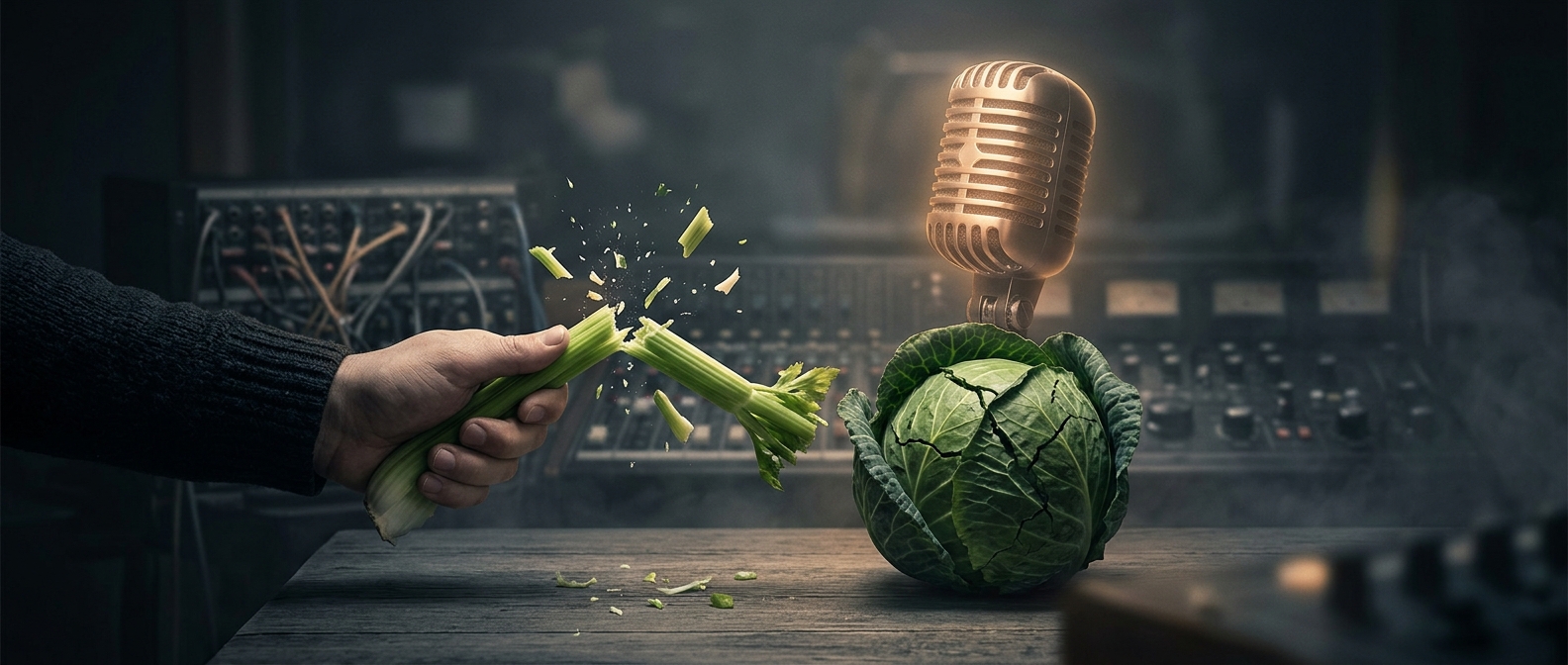
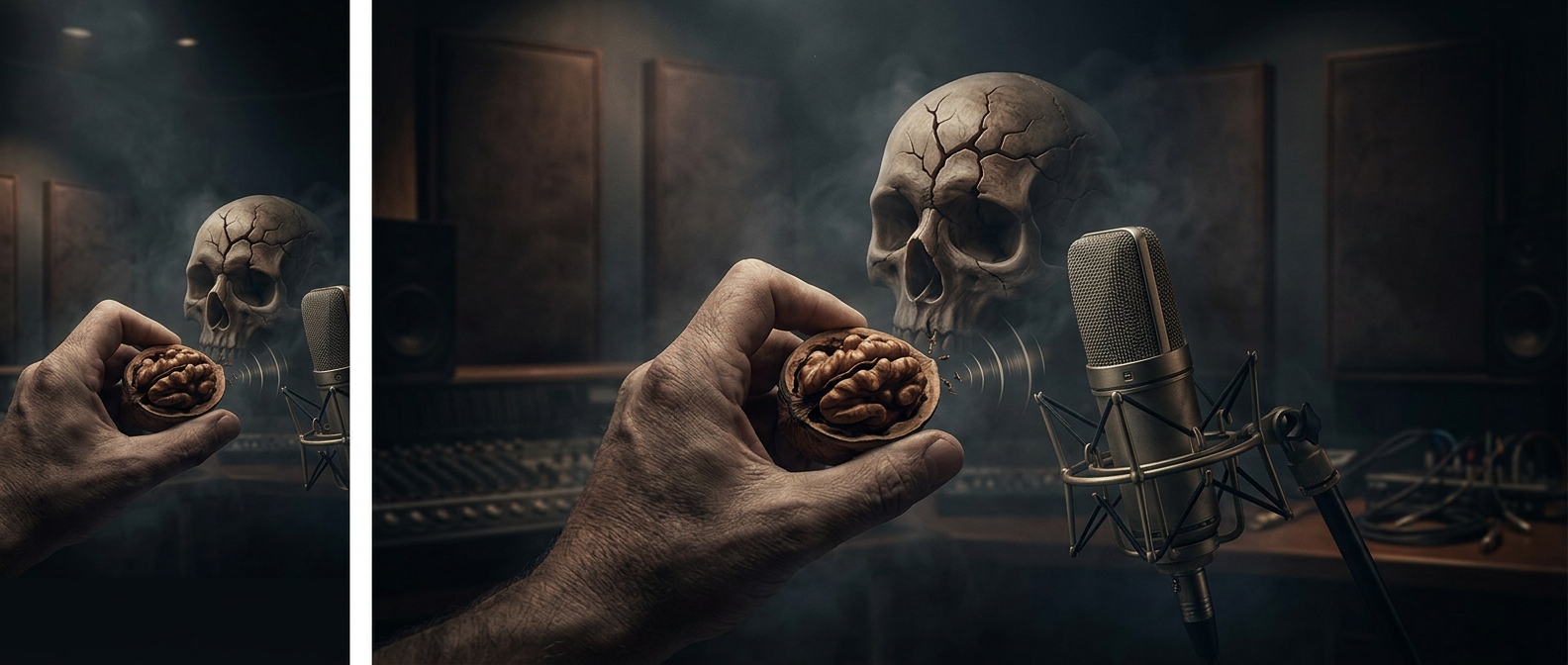
A convincing movie impact is less about recording the real event than about finding a sound with the right texture. A walnut shell breaking under pressure produces a dry, brittle crack, followed by smaller snaps and crumbles. Those sharp, irregular transients—the brief bursts of sound at the start of a noise—can suggest bone breaking to an audience, especially when paired with the image of a violent impact.
The sound is built for the scene
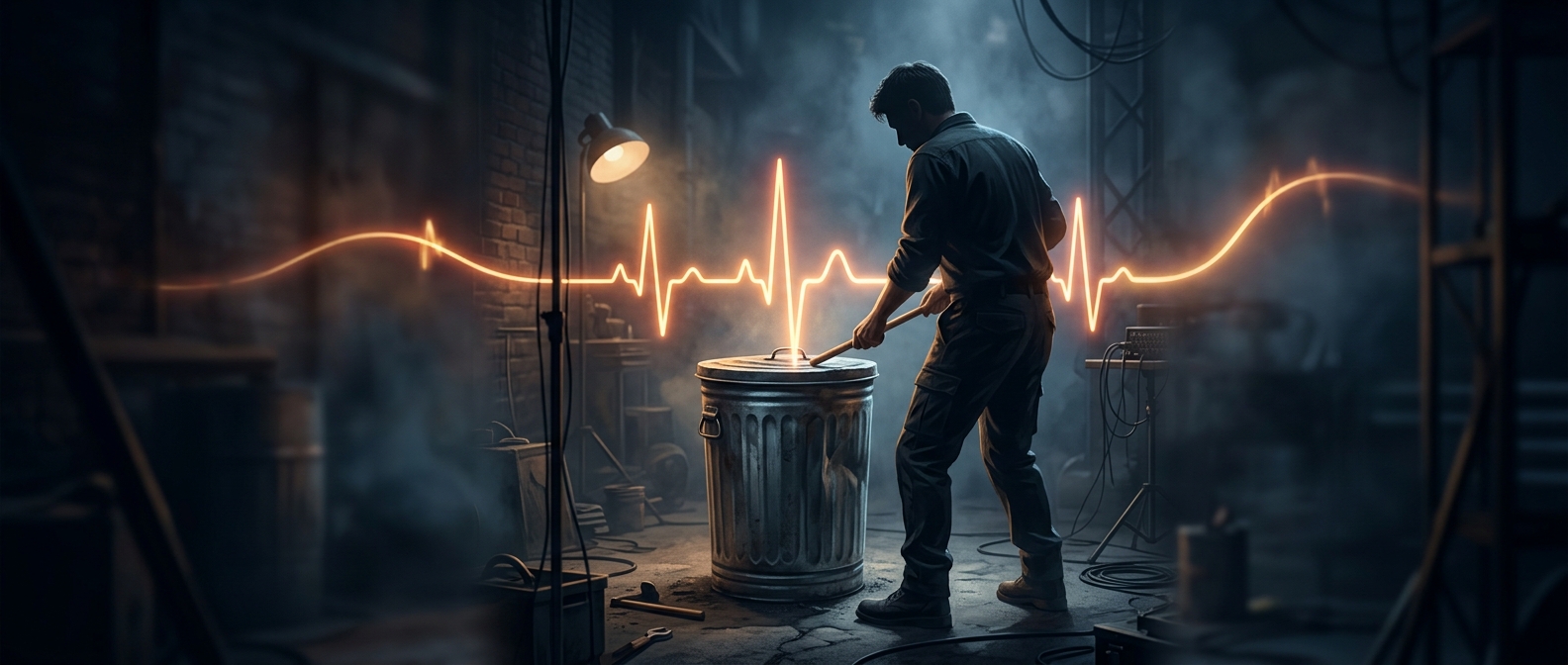
In production, this kind of performed sound effect is called foley, after the practice of creating everyday noises in sync with a film’s action. A sound artist can crush walnuts while watching the scene, adjusting the pressure and timing to match what appears on screen. The recording may then be edited, layered, or mixed with other sounds so the impact feels forceful without overwhelming dialogue or music.
The walnut is a practical stand-in, not a literal simulation. Real injuries are difficult to record and often do not produce the clean, dramatic sound audiences expect from films. A shell offers a controllable, repeatable source: the artist can make one crisp crack or a messier series of breaks, then choose what best serves the moment.
Why the illusion works
Viewers interpret sound in context. A brittle crunch heard alongside a foot coming down on a skull is likely to be understood as a bone-crushing impact; the same noise in a kitchen might simply sound like someone cracking a nut. The image supplies the cause, while the sound gives the action a physical edge.
That mismatch between source and meaning is part of the craft: a walnut can make a fictional injury feel immediate precisely because the sound is familiar, sharp, and easy to shape.