When Permission Became More Dangerous Than Action
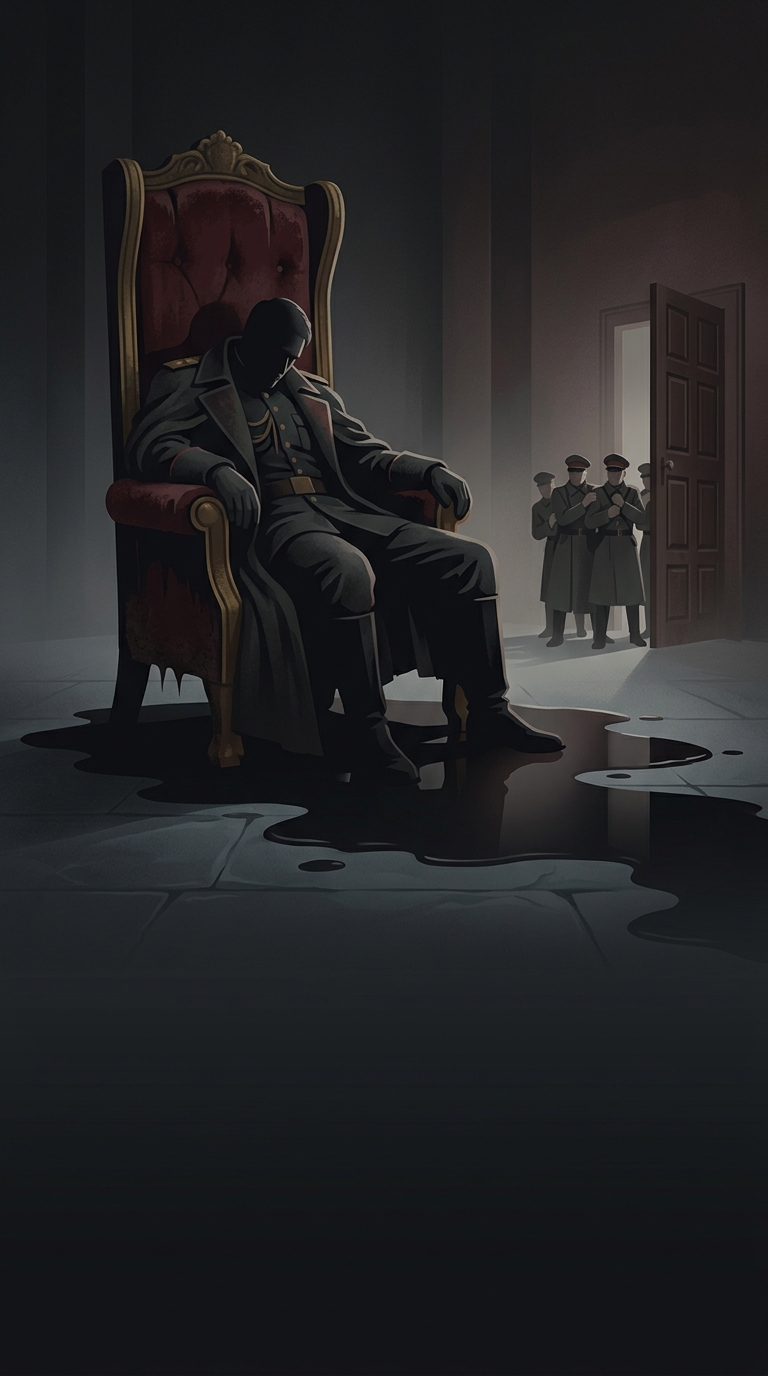
Stalin’s guards faced a decision with no safe-looking option. Entering his private rooms without being summoned could be treated as insubordination; waiting, however, meant leaving an unresponsive leader alone. In a system where a mistaken act could bring punishment, the risk of acting was immediate and personal, while the danger of inaction was harder to see until it was too late.
That imbalance helps explain why the guards did not simply rush in. Their caution was not just deference to a leader’s privacy. It reflected a political culture in which people learned to avoid decisions that might be judged disloyal after the fact.
A Chain of Command With No Clear Safe Move
The guards eventually found Stalin paralyzed after his stroke, but summoning doctors still meant taking responsibility for an extraordinary step. They had to act without a direct instruction from the person whose authority governed the household. Medical help was not called for more than a day after the stroke began.
The delay shows how fear can disable an organization even when its members are physically present and know something is wrong. A hierarchy can make routine decisions efficient, but when authority is concentrated in one person and punishment is unpredictable, people may wait for permission precisely when the leader cannot give it.
The Cost of a Climate of Fear
Stalin’s condition turned that political habit into a life-or-death problem. The guards’ hesitation did not cause the stroke, but it postponed medical attention during a crisis when he could not ask for help himself. A regime built to prevent unauthorized action also made urgent action perilous. In Stalin’s bedroom, that contradiction left the people closest to him waiting for a signal from someone unable to send one.