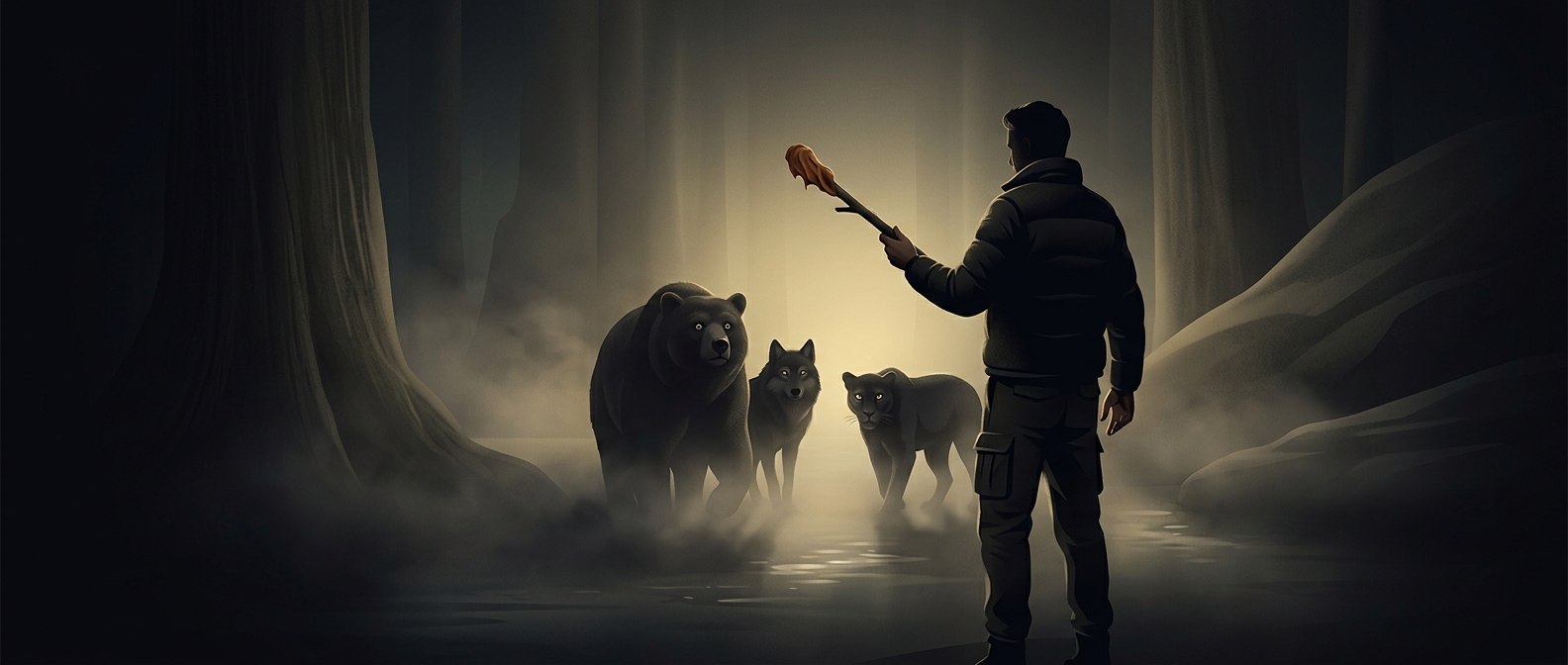
A tiny target creates a usable eyeline
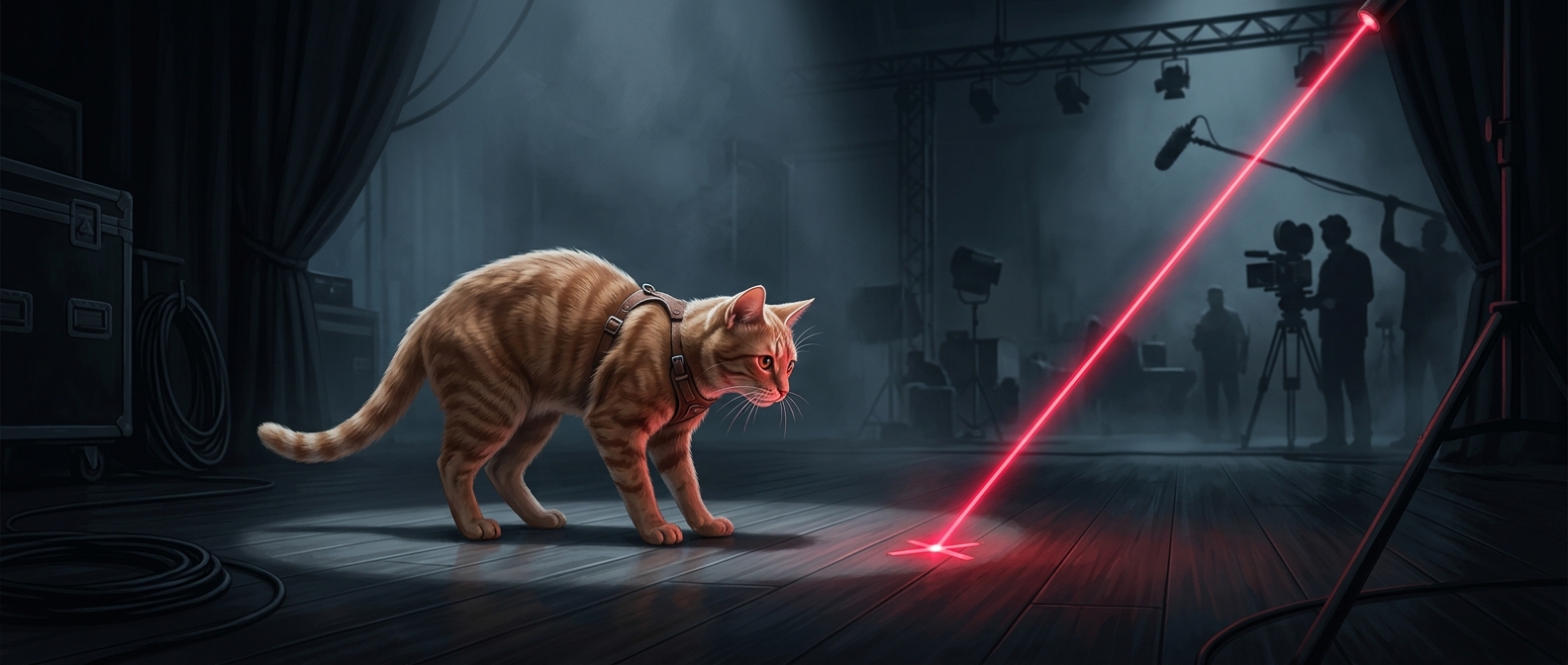
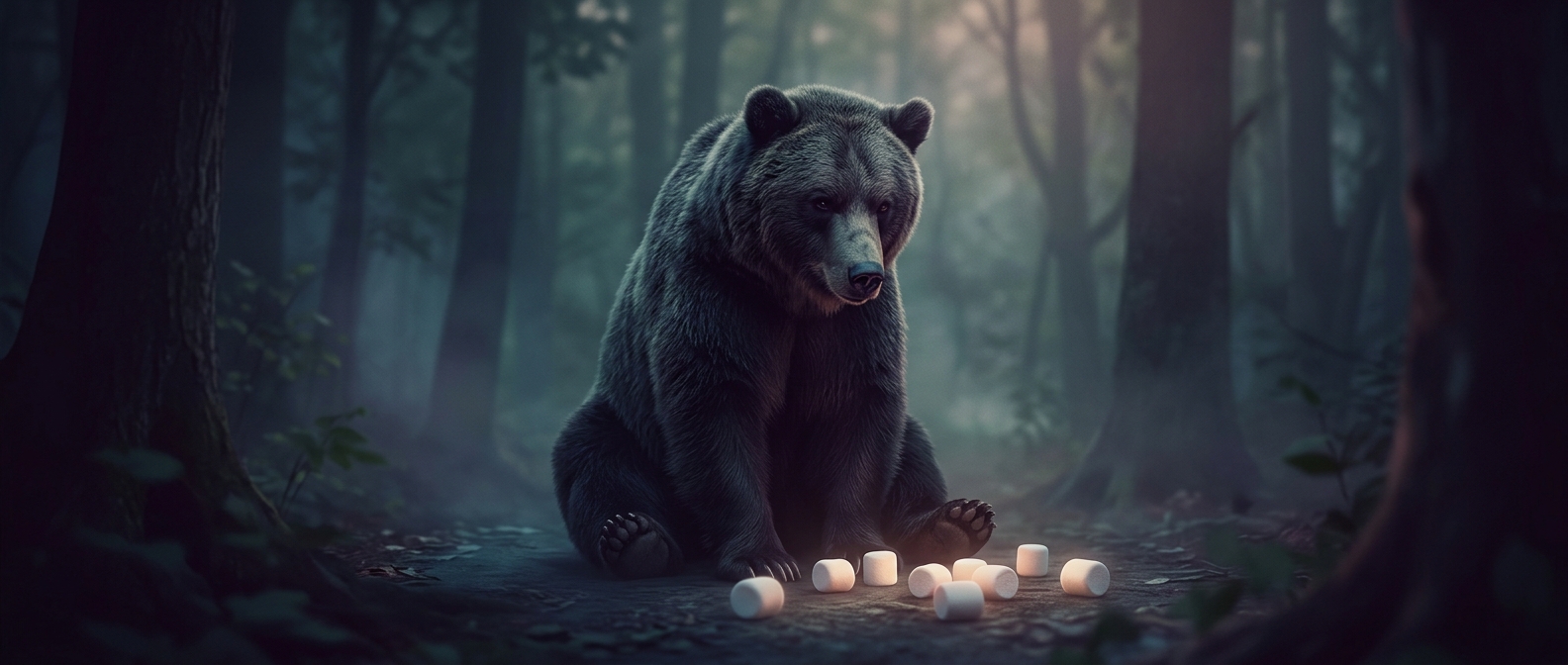
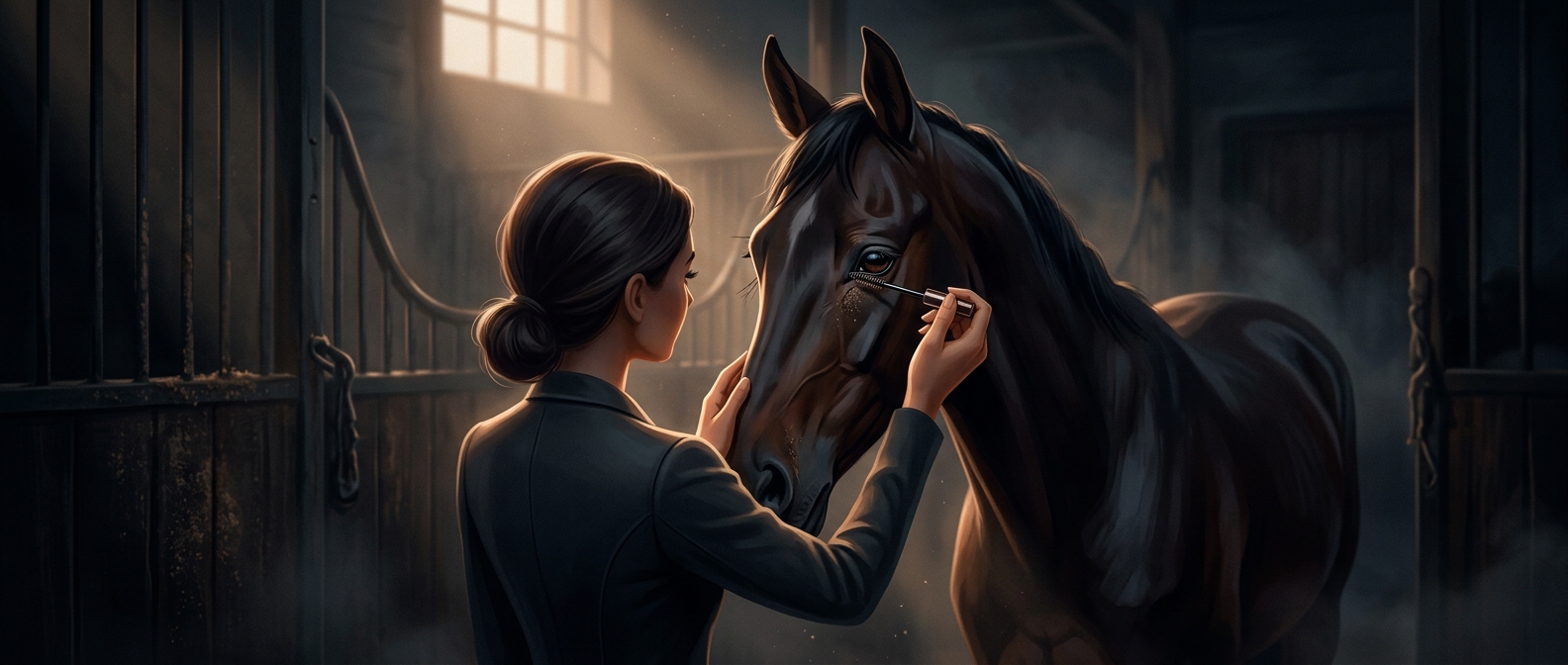
An animal rarely understands that a camera is asking for a particular look. A handler instead gives it something more immediate to notice: a small target just outside the frame. The target might carry a tempting smell or taste, such as peanut butter, and its position guides where the animal turns its head.
The important detail is not simply getting the animal to look somewhere, but putting that place close to the camera’s lens. If the target is held beside the lens, the animal appears to look toward the viewer or toward another character in the scene. Move it farther to one side, and the same gaze can suggest that something has caught the animal’s attention off-screen.
The camera and handler share the work
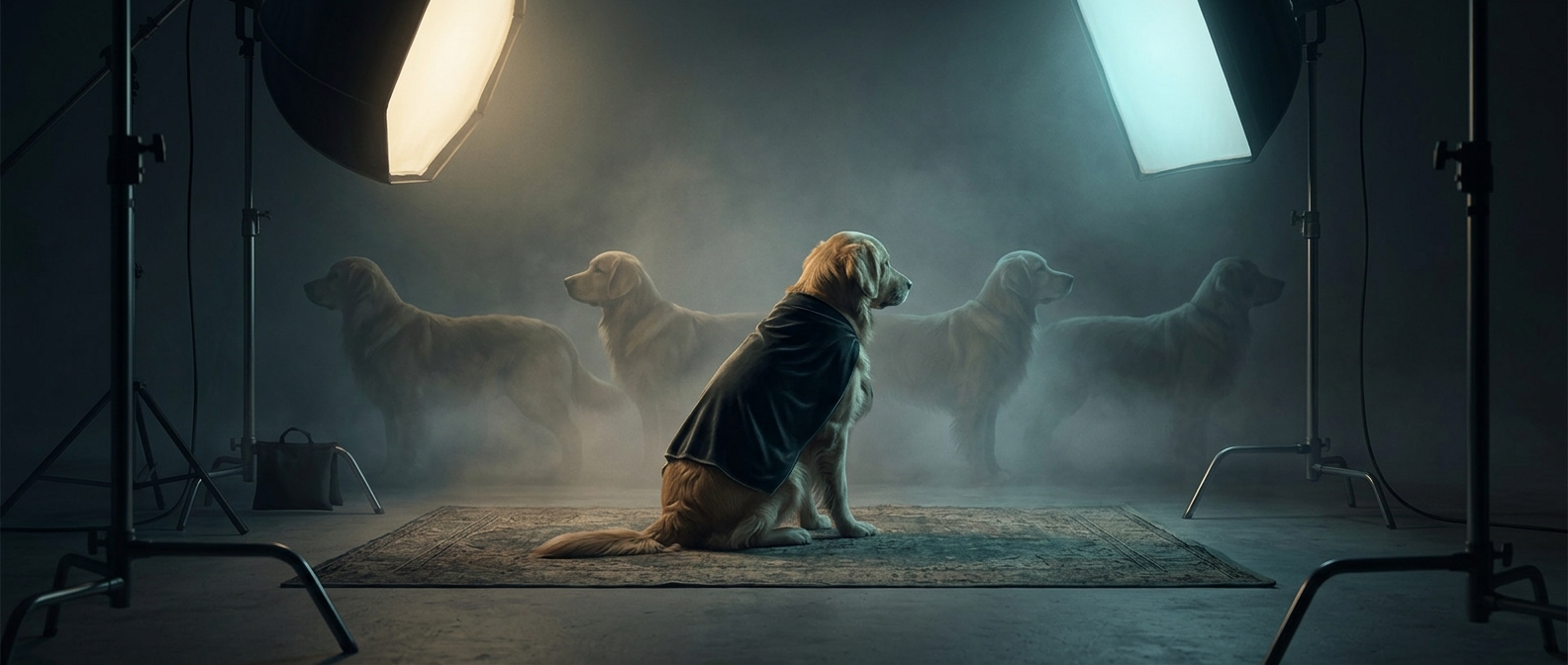
The handler can shift the target between takes, while the camera captures the expression and direction of the look. This lets the crew shape an eyeline—the direction a performer appears to be looking—without expecting the animal to follow a verbal cue or repeat a precise action on demand. The camera then frames the moment so the target itself stays hidden.
That method also sets a limit: an animal may notice the lure but not hold a pose or look at the exact instant the crew wants. Filmmakers work with those unpredictable responses, capturing usable moments rather than treating the animal like a human actor hitting a mark. A pole just outside the shot can make a fleeting glance read as a deliberate look straight into the story.