How a folk-magic figure became a “Voodoo doll”
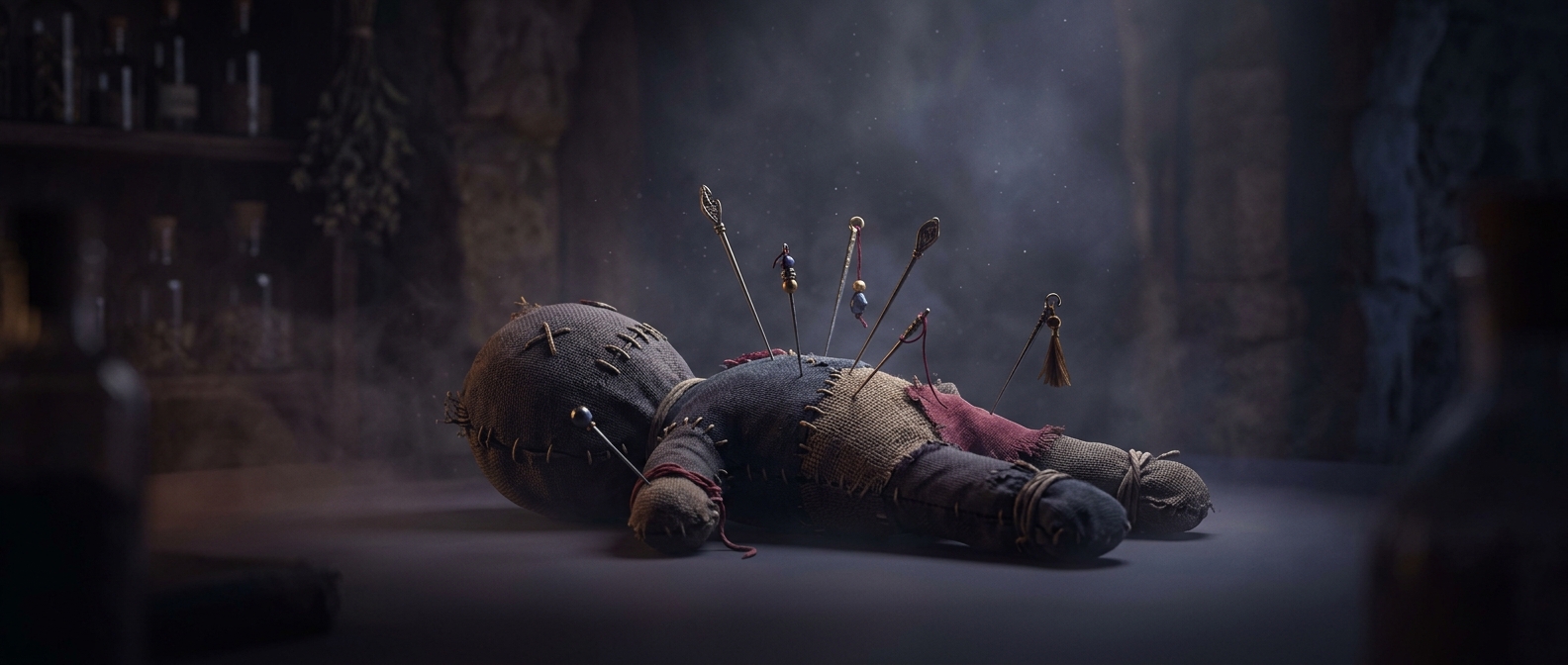
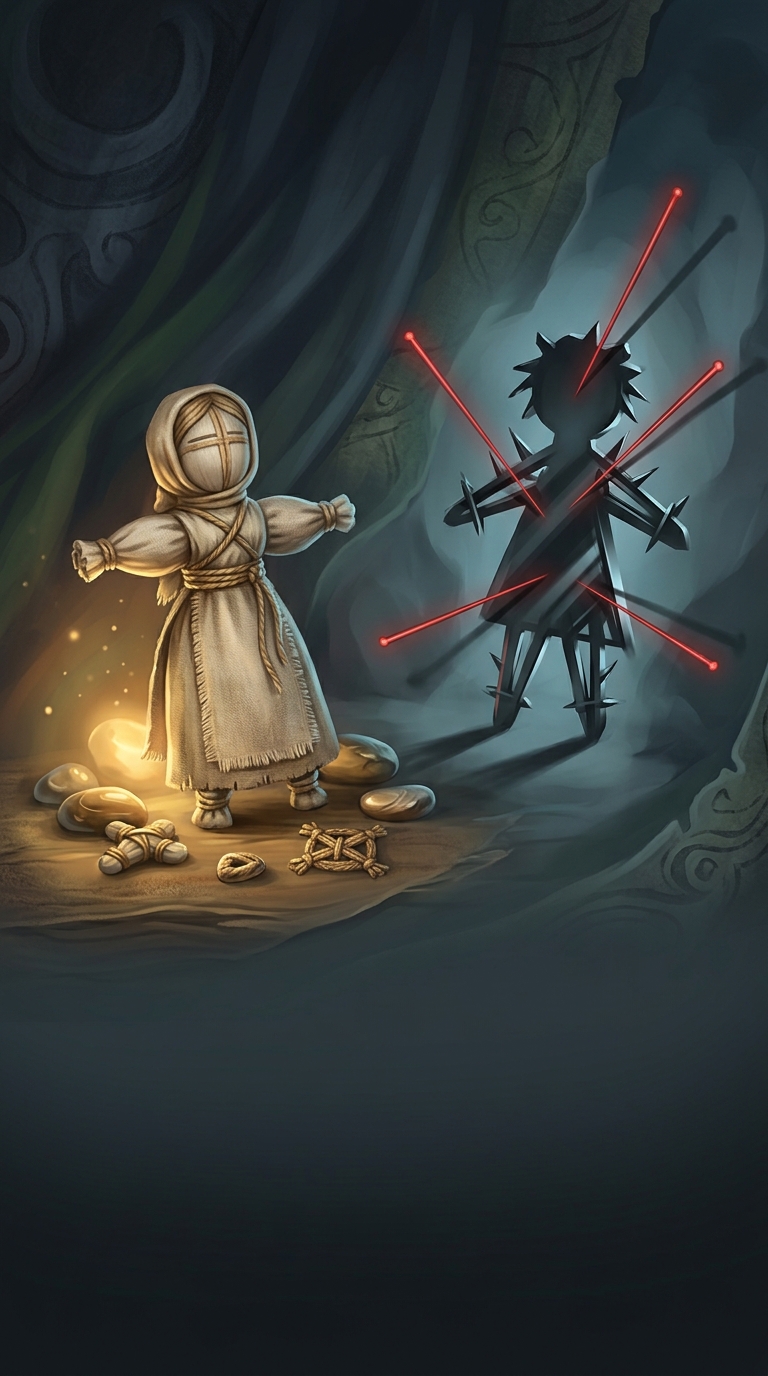
The pin-studded effigy familiar from horror stories belongs to a broad European tradition of poppets: small figures made from materials such as cloth, wax, or clay for use in ritual magic. The idea behind such objects is called sympathetic magic—the belief that acting on a representation can affect the person or thing it represents. A figure might be linked to someone through a name, a personal possession, or simply its intended likeness.
Pins were one possible part of these practices, but their meaning varied. A pin could mark or symbolically direct an action; the familiar claim that each jab automatically causes matching bodily pain is a dramatic simplification. Folk rituals also had aims besides harm, including protection or healing.
Why the image is wrongly attached to Vodou
Haitian Vodou is a living religion with its own spirits, ceremonies, and community traditions. It is not defined by sticking pins into dolls. Nor is “West African religion” one single practice: the region includes many distinct religious traditions. The pop-culture image collapses these different histories into one supposedly sinister ritual object.
That association grew through popular storytelling, which turned a varied European magical motif into a shorthand for secret, frightening power and labeled it “Voodoo.” The label obscures where the effigy idea came from and encourages audiences to mistake a horror trope for a basic feature of Haitian Vodou.
The distinction matters because the doll’s cultural meaning was largely made by outsiders: a European folk-magic motif became a screen-ready symbol of a religion it does not represent.