The second film had a different job
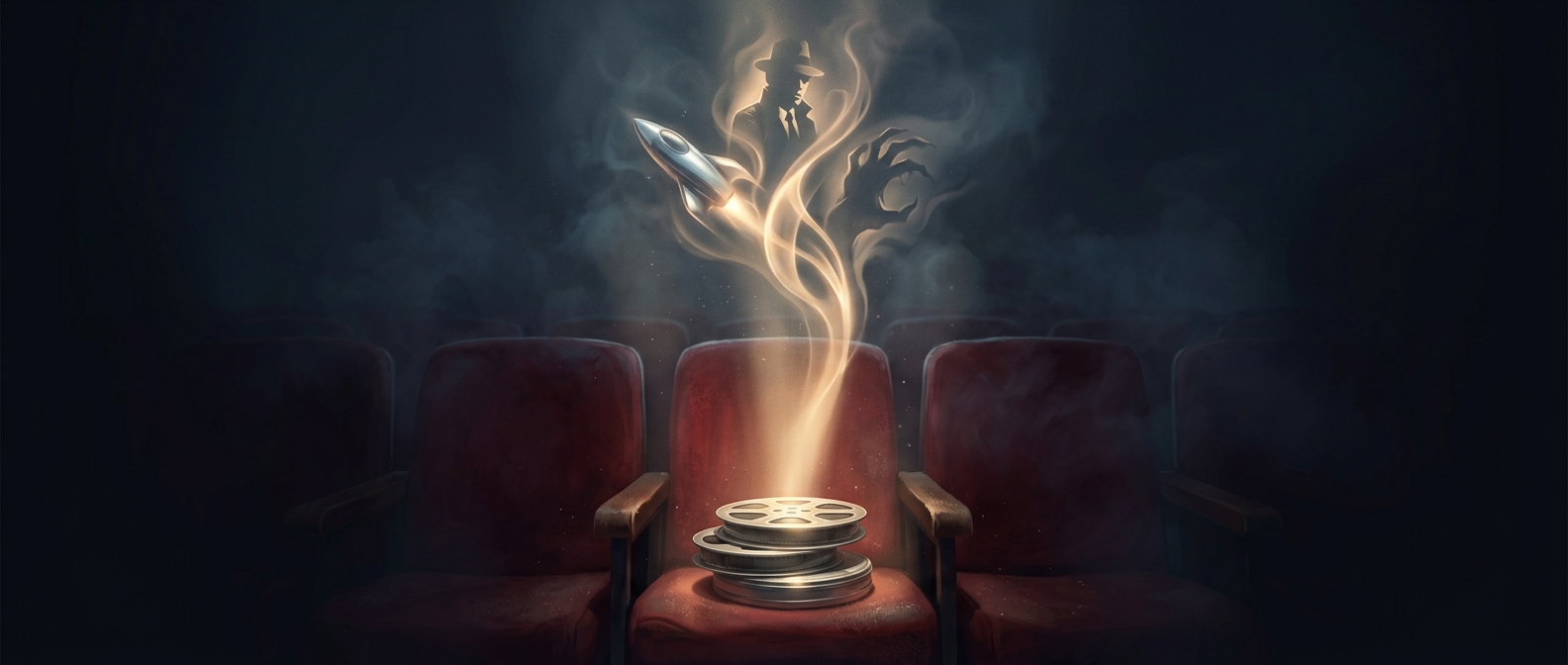
A double feature paired two movies for one admission. The main attraction was meant to sell the ticket; the shorter, cheaper B picture filled out the program. With audiences watching their spending during the Great Depression, offering two films made a night at the theater feel like better value.
That arrangement also gave studios a reason to make more movies without giving every production the budget or schedule of a major release. B pictures often relied less on expensive stars and elaborate sets, and their stories had to move quickly. The second film was not expected to carry the whole evening.
Low stakes made room for strange ideas
Those constraints suited science fiction, horror, and other stories built around unusual premises. A filmmaker could center a modest production on a monster, an imagined technology, or a bizarre chain of events without needing to make the movie look as lavish as a prestige picture. The genre hook itself could be the attraction.
Lower budgets did not automatically mean greater freedom, and the films still had to fit a studio’s schedule and audience expectations. But when a picture was a supporting feature rather than the main event, its commercial risk was smaller. That made unusual plots easier to try—and gave directors and writers room to find inventive ways to suggest what the production could not afford to show.
A useful place to experiment
Double features did not create science fiction or monster stories from nothing. They helped create a dependable slot for inexpensive films that could test those ideas in front of moviegoers. Some of the era’s most outlandish concepts could reach an audience precisely because they did not have to carry the budget of the evening’s biggest attraction.