Why a canceled train can remain on the board
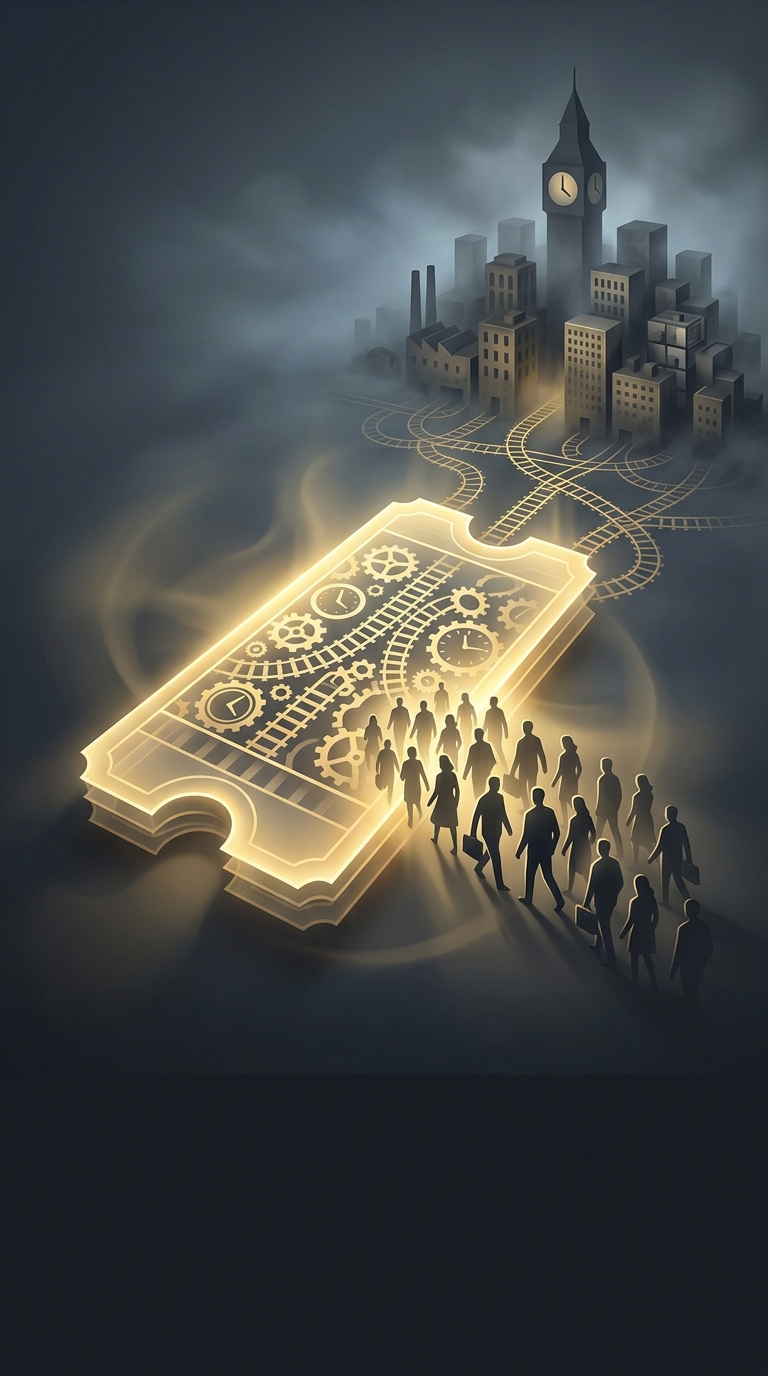
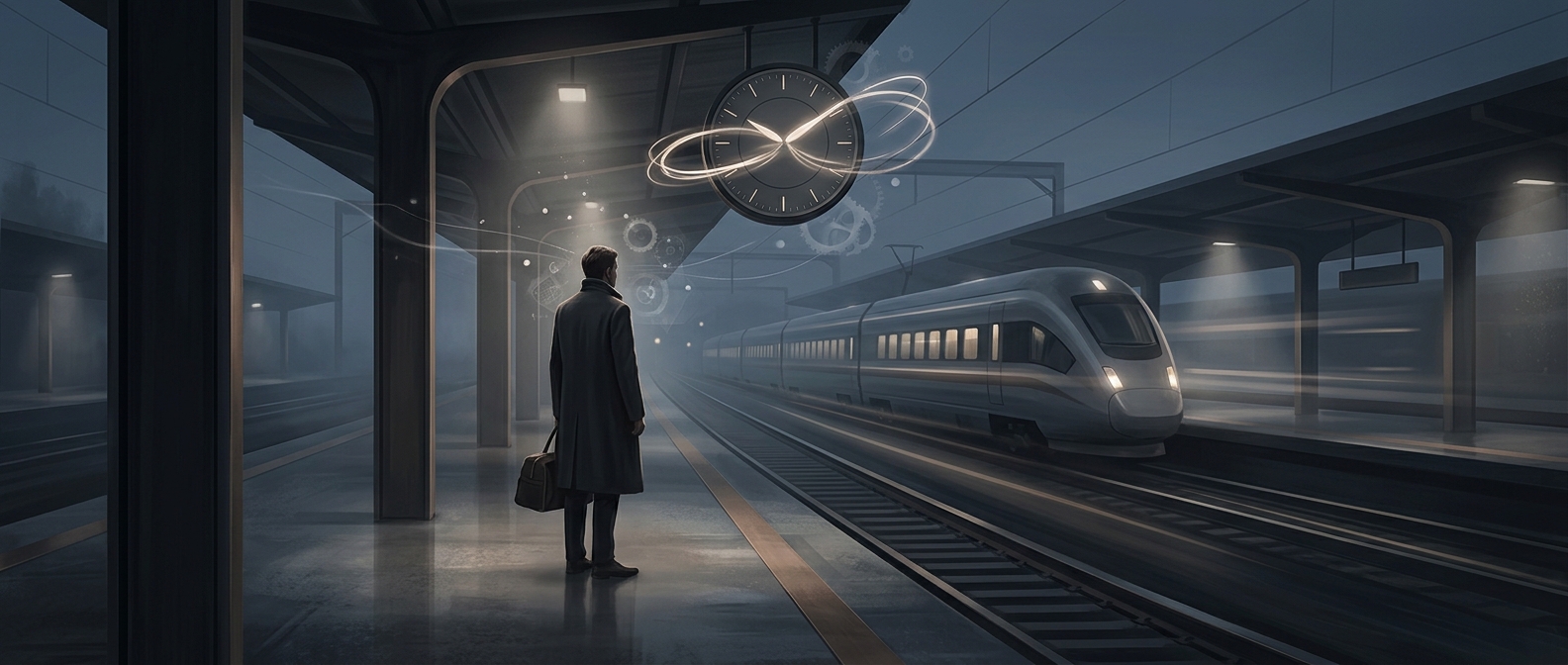
A timetable is a plan made before the day’s disruptions; a station display is a live view assembled from operational updates. When a train is canceled, the cancellation has to be recorded and passed through the systems that inform passengers. Until that update reaches the display, the scheduled departure may still appear—even though there is no train expected to serve it.
That gap is not necessarily a sign that the train is merely late. A delayed train still exists in the operating plan, with a revised estimate; a canceled one has been removed from service. The board can briefly show yesterday’s certainty after today’s plan has changed.
The timetable slot remains, but the journey does not
A departure time is also a place in the railway’s sequence of movements: trains, crews, and platform use are coordinated around planned slots. Canceling a service removes its train from that sequence, but it does not automatically make the next departure earlier or create a replacement. Other trains may already depend on the same tracks and timing.
For passengers, the practical consequence is that a familiar time on the board can outlast the service it describes. The useful signal is the current status—canceled, delayed, or replaced—not the scheduled time alone. A timetable records what was supposed to happen; the live update records what can still happen.