How aircraft thinking shaped the Saab 92
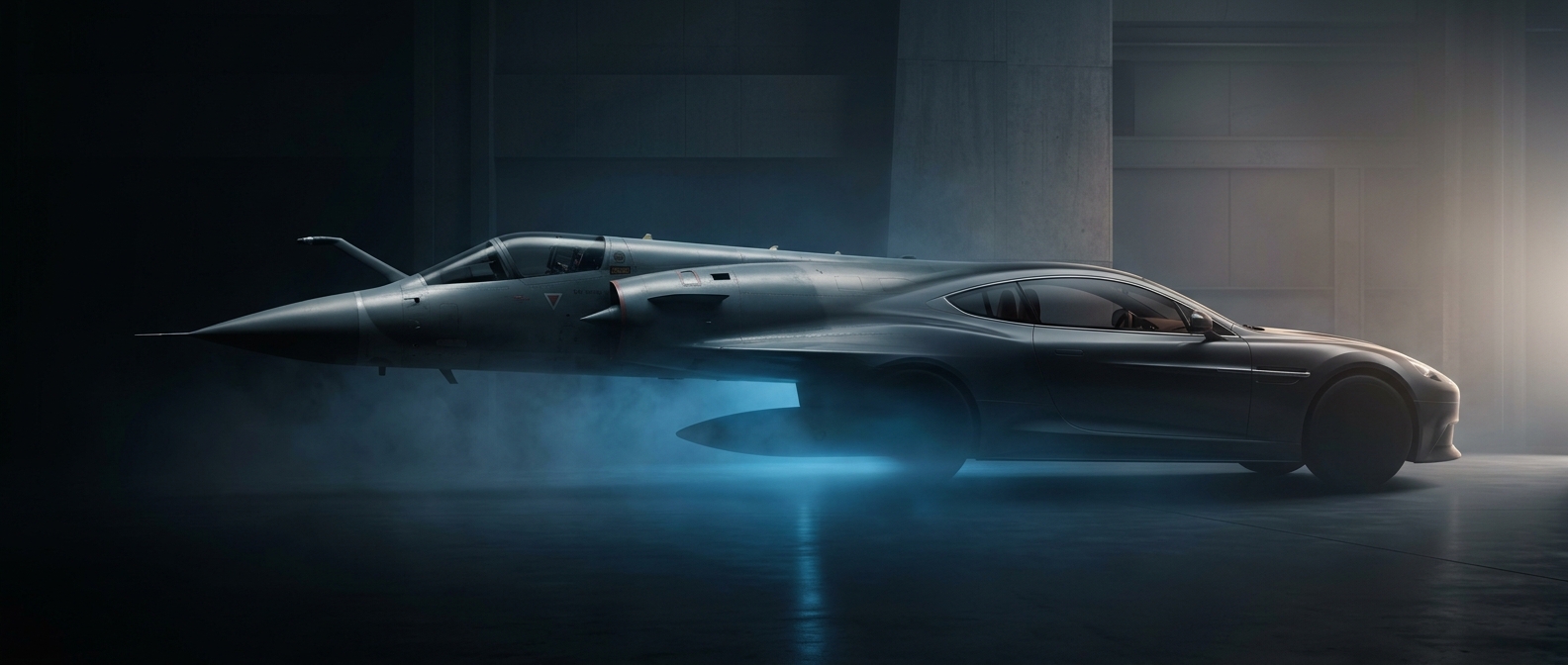
When Saab turned from aircraft to cars, it brought over a practical engineering question: how could a body move through air with less resistance? The Saab 92, the company’s first car, answered with a rounded, smooth shape rather than the boxier forms common on roads at the time.
Air resistance, or drag, is the force that pushes against a vehicle as it moves. A streamlined body lets air flow around the car more smoothly, reducing that resistance. The same principle matters in aircraft, where overcoming drag takes power; on a car, it can help the engine use its output more efficiently, especially at speed.
A shape with tradeoffs
A car body cannot be designed for airflow alone. It also has to accommodate passengers, doors, windows, wheels, and the machinery beneath the body. The 92’s rounded silhouette reflected an attempt to bring aerodynamic thinking into those everyday constraints—not to make a road car literally behave like a plane, but to treat the air around it as part of the engineering problem.
That approach gave the car its distinctive, almost aircraft-like profile. The lasting idea was more important than the resemblance: a car’s shape could be designed around the air it had to push aside, not just around the space it needed to carry.