A closer look
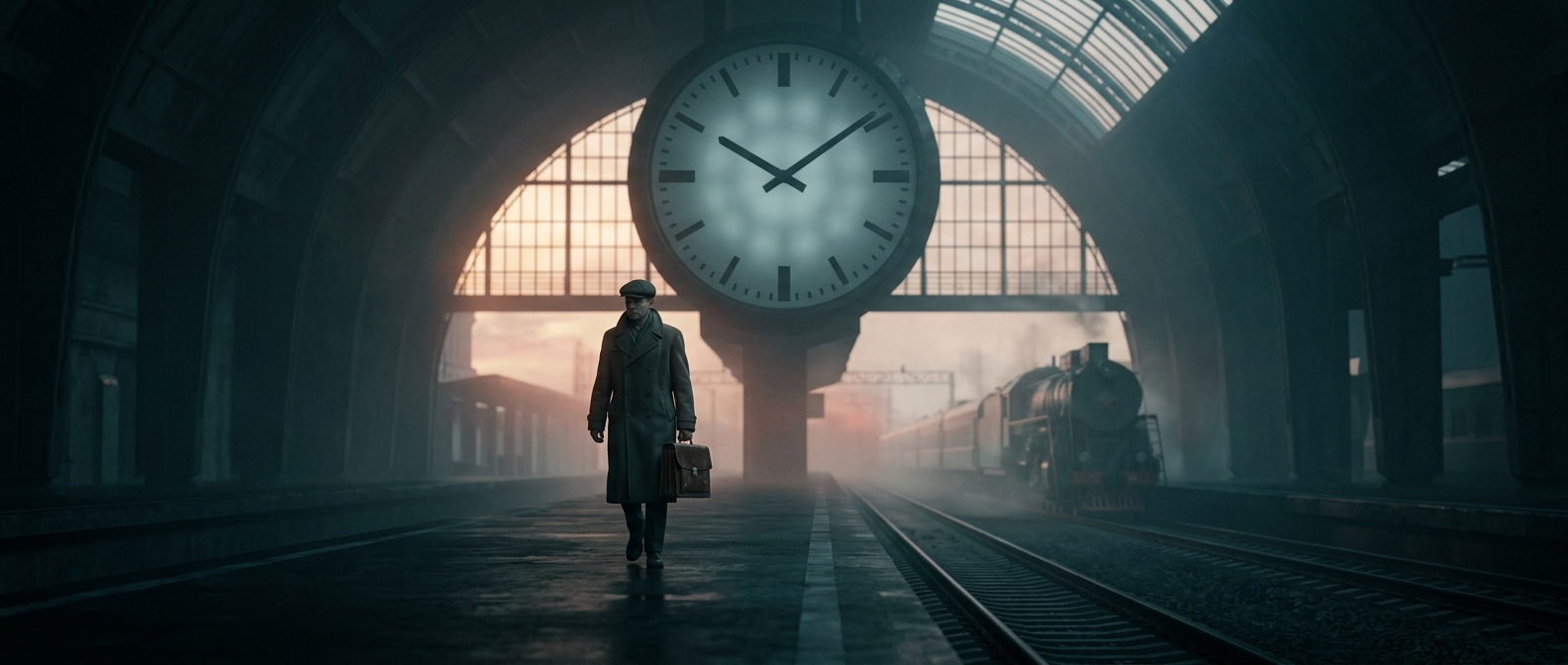
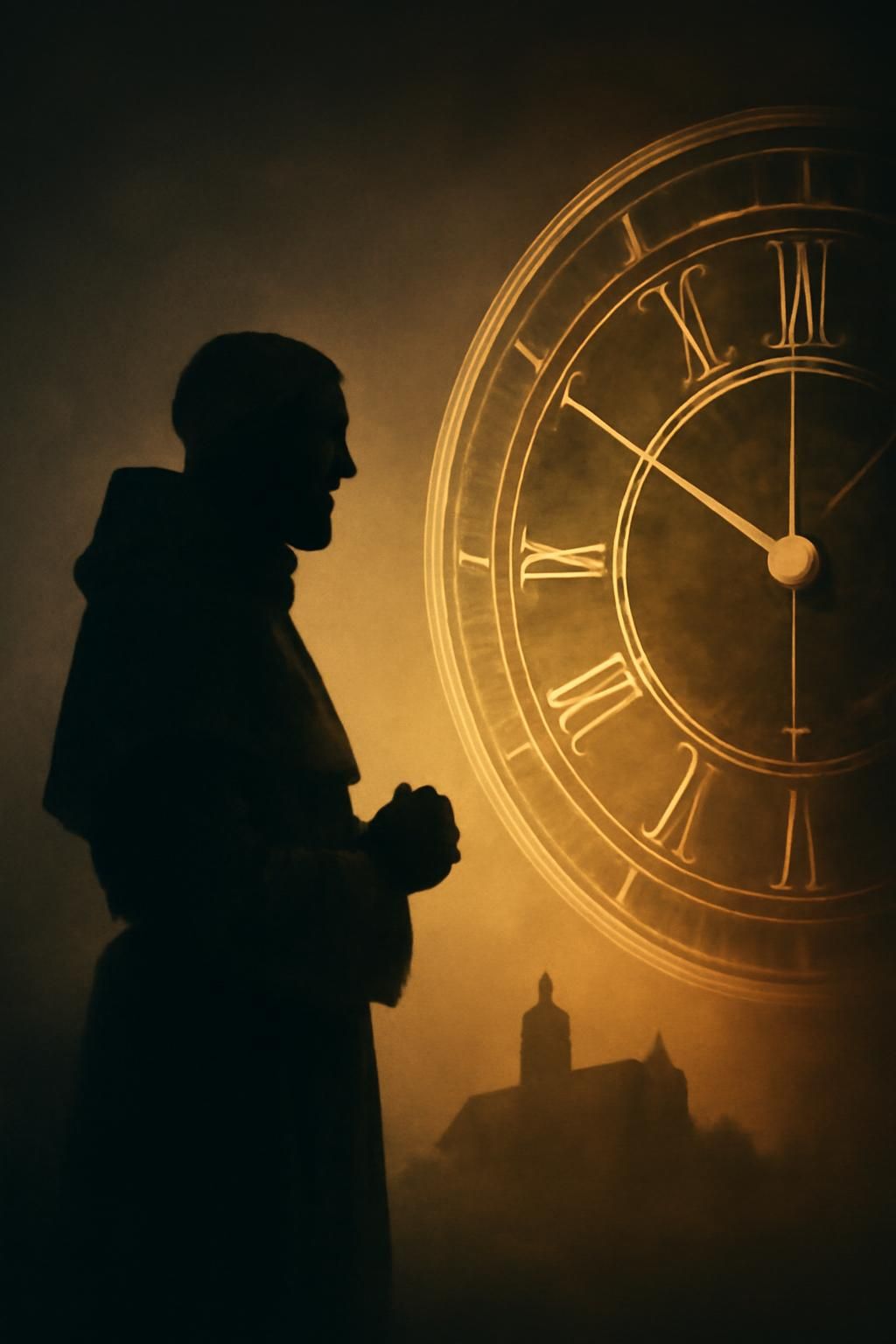
For most of human history, nobody expected minutes to matter. In medieval Europe, people lived by bells, sunlight, and seasons, not by precise clocks. Hours were often unequal; daytime was divided into twelve chunks from sunrise to sunset, which meant winter hours were shorter than summer ones. Farmers, artisans, and merchants arranged meetings loosely around morning, midday, or dusk. Only monasteries, with strict prayer schedules, cared deeply about regular timing, and their need drove some of the earliest mechanical clock inventions. The industrial revolution and train timetables later forced entire countries to synchronize down to the minute, shrinking time into something measurable, sellable, and punishable. That shift quietly changed our psychology: lateness became a moral failing, productivity could be counted per hour, and leisure turned into something you had to earn. Remembering that precise time is a relatively new social technology can make it easier to question whether every moment needs to be optimized.