A Tablecloth Could Double as a Giant Napkin
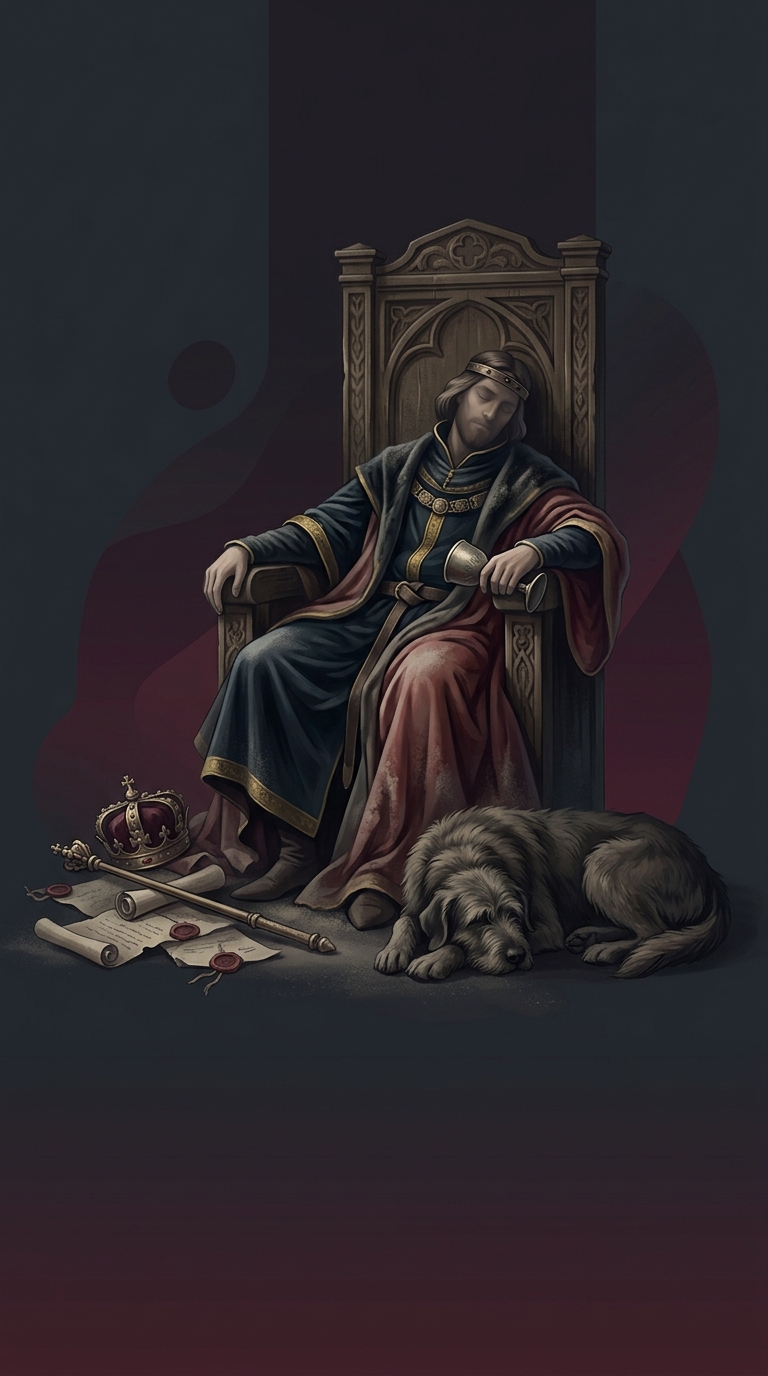
In medieval European dining, a tablecloth was not always just decoration or protection for the wood. At some meals, diners used the cloth itself to wipe their hands and mouths. Before individual paper napkins—and before personal linen napkins were routine—the shared table covering could take on that messy job.
Eating Made the Cloth Useful
Many meals were eaten with the fingers, especially when people shared serving dishes or used pieces of bread as makeshift plates. Grease, sauces, and crumbs accumulated quickly. A large cloth offered a convenient place to wipe hands without requiring a separate napkin for every diner.
That does not mean every medieval tablecloth had one single purpose, or that wiping on it was always considered good manners. Practices varied by household, period, and occasion. Fine dining also had its own rules and linens; the point is that tablecloths could be functional dining equipment, not merely a clean surface beneath the meal.
The Cloth Was Part of the Table Service
The surprising detail is less that people ate messily than that the table linen helped manage the mess. A cloth could protect the table, make a meal feel more orderly, and serve diners during the same sitting. In some settings, the boundary between table covering and shared napkin was remarkably thin.