A program runs on more than its own code
A project may look unchanged while the software around it keeps moving. It often depends on libraries—reusable pieces of code maintained separately—and on tools such as a compiler, which turns source code into a form a computer can run. The operating system supplies its own services, from file access to networking.
These parts connect through interfaces: agreed ways for one piece of software to request work from another. If a library removes a function, changes what it expects as input, or alters a default setting, an old program may no longer build or behave as its author intended. The project’s own files can be identical; the surrounding components are not.
Small changes can travel through a chain
Dependencies often rely on other dependencies. Updating one library can therefore change several layers at once. A newer compiler may also reject code that an older one accepted, or produce a different result from the same source. Operating-system updates can change permissions, supported file formats, or network behavior, exposing assumptions that were invisible when the project was first written.
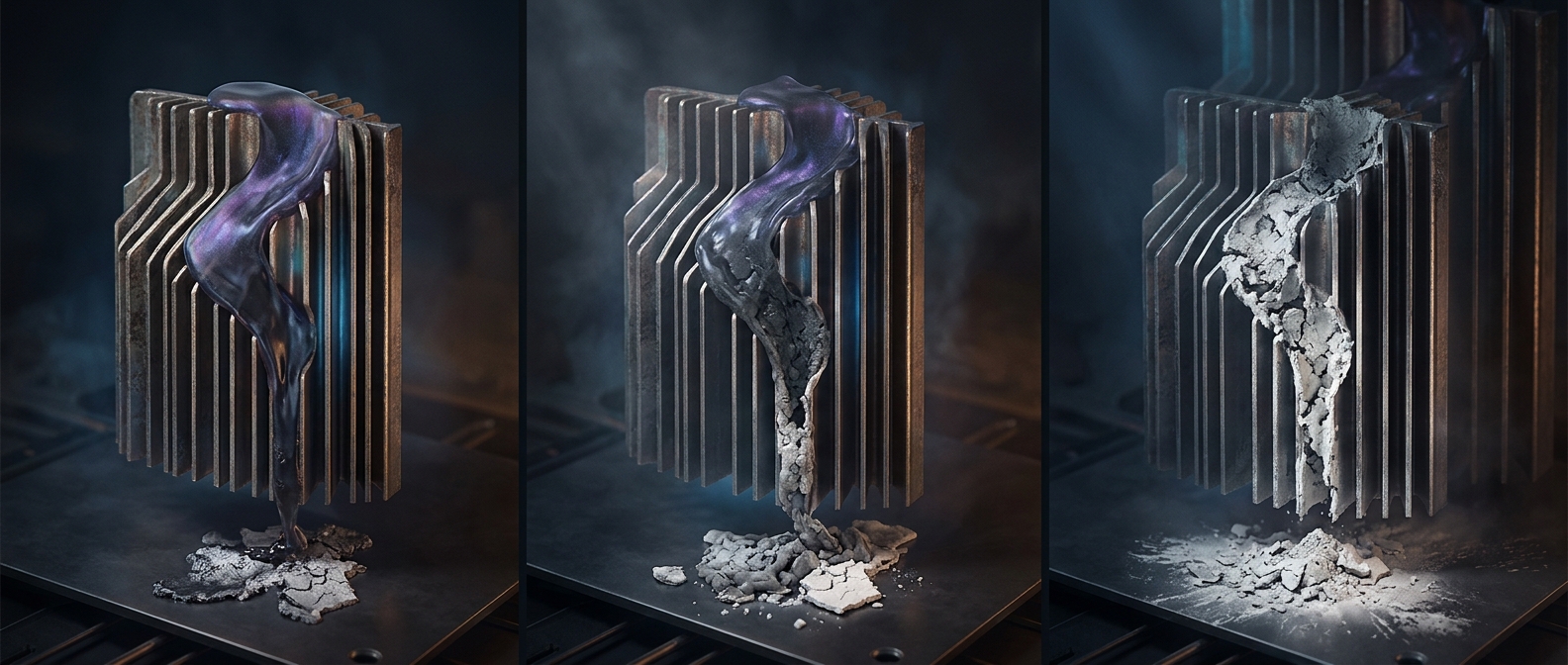
The failure is not always an obvious crash. A program might still launch but save data differently, fail to connect to a service, or produce subtly different output. That makes diagnosis harder: the problem may lie not in a line of the project, but in a changed component several steps away.
Rebuilding the old environment
Developers can reduce this drift by recording exact dependency versions and keeping copies of the tools and data needed to build the project. Such records act like a recipe for recreating the original environment. They help most when the corresponding software is still available and compatible with the machine doing the rebuild.
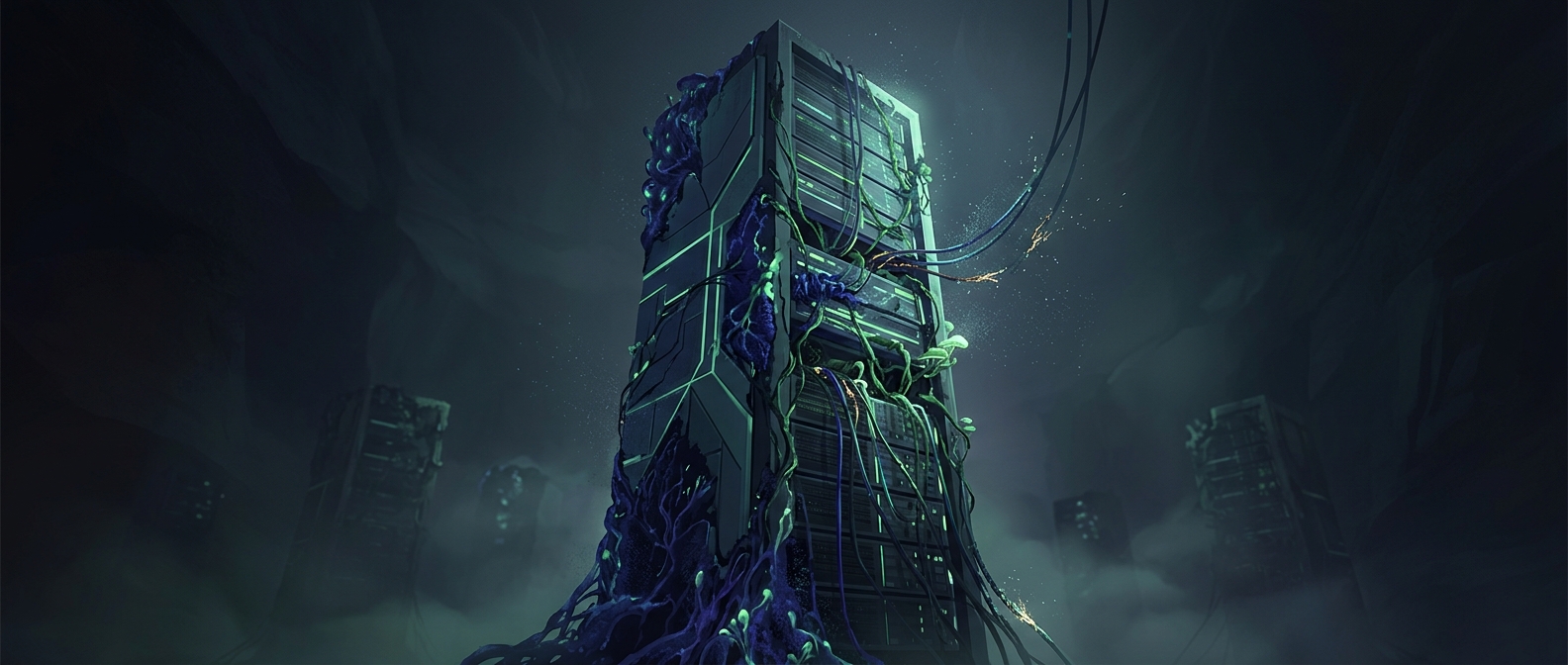
Without that trail, returning to an old project can mean identifying what it once depended on, finding surviving versions, and testing which combination works. The practical lesson is that preserving source code is not always enough: the conditions that made it run may need preserving too. A folder of old code can be intact while the recipe for bringing it to life has disappeared.