Why a knife can stand for a broken bond
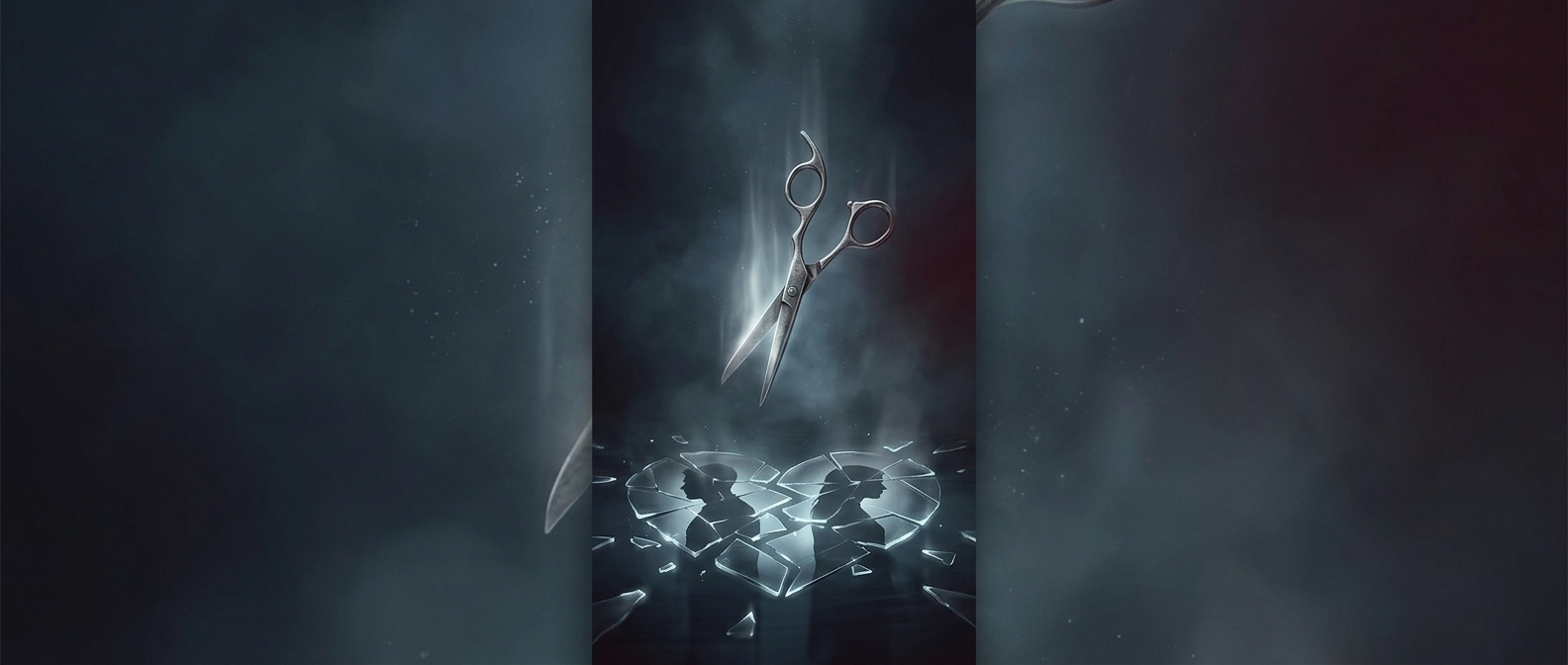
A knife is useful because it divides: it slices food, cuts thread, and separates one thing from another. Folklore turns that ordinary action into a symbol. Given as a present, a blade can seem to carry the power to cut through the relationship between giver and recipient. The belief is a piece of sympathetic magic—the idea that an object’s visible qualities or actions can echo events in people’s lives.
The penny changes the meaning of the exchange
The customary remedy is for the recipient to give the giver a small coin in return. That token makes the knife a purchase, however symbolic, rather than a gift. In the logic of the custom, the giver has not simply handed over a blade that might sever a friendship; the two people have completed a tiny trade. The penny does not physically alter the knife. It changes the story attached to its passage from one person to another.
A superstition made practical
The ritual also offers an easy way to acknowledge the belief without refusing a useful present. The recipient can accept the knife, offer a coin, and keep the exchange warm rather than awkward. Whether treated as a serious safeguard or a bit of playful tradition, the custom gives both people a small, memorable part to play: one gives the blade, and the other “buys” it for a penny.