How One Connection Carries Different Kinds of Data
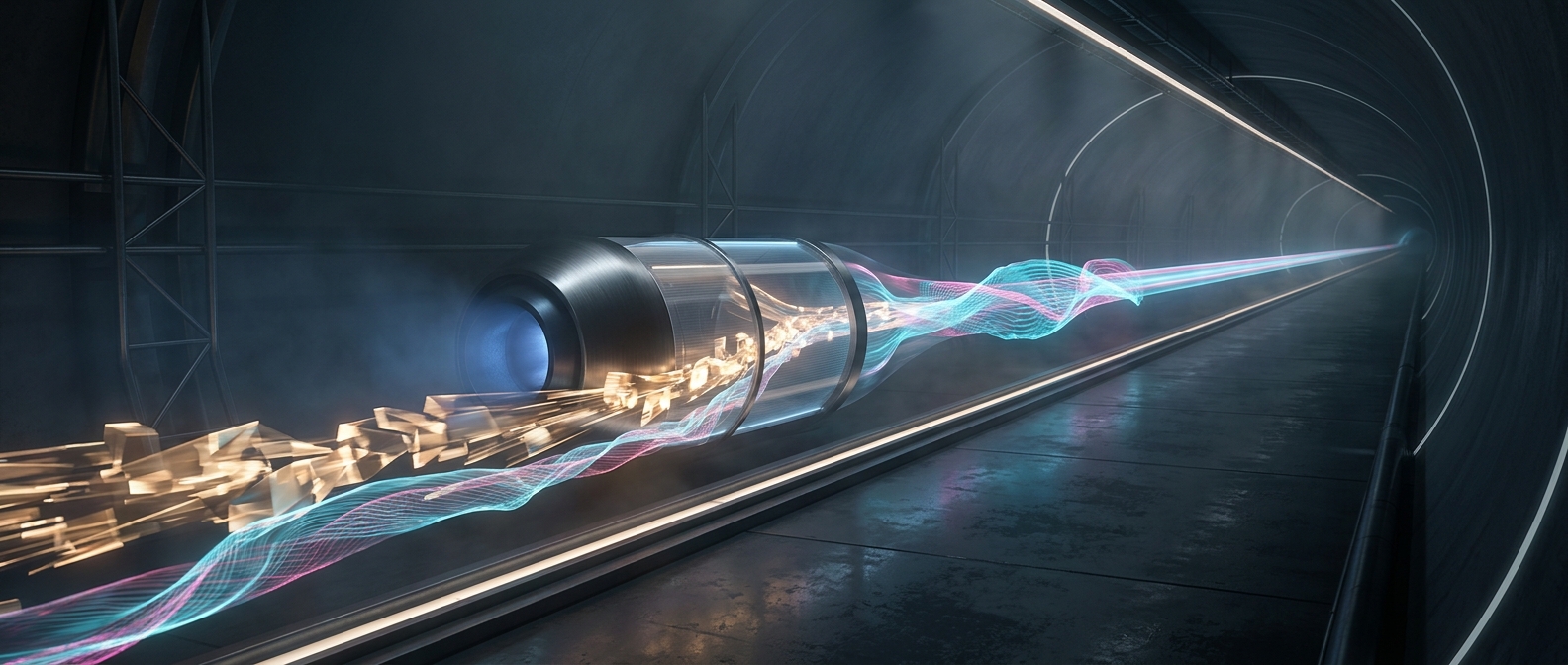
A high-speed link can carry video alongside raw data by dividing its capacity into small pieces and interleaving them. Rather than sending all of one stream and then switching permanently to another, the hardware gives each piece identifying information—such as what kind of data it contains and where it belongs. The receiver reads those markers and routes the pieces to the right destination.
The process resembles merging traffic onto a single road, but the “vehicles” are digital bits. A video stream may arrive as a sequence of image data that must be put back in order and displayed; raw data may need to be delivered to another part of the system for processing. Multiplexing lets both share the physical connection without requiring a separate cable for each.
The Receiver Must Rebuild the Streams
At the far end, the receiver examines each piece’s markers, separates the traffic, and reassembles each stream. Because video is time-sensitive, the system also has to manage timing: pieces must arrive and be presented in the right sequence, even when other data is sharing the link. Temporary buffering—holding data briefly in memory—can help smooth out uneven arrivals.
Sharing a connection does not create extra capacity. If the combined traffic demands more than the link can carry, data may have to wait, and delay can affect video. The engineering benefit is therefore not unlimited bandwidth, but using one fast connection efficiently while keeping distinct streams identifiable. That can simplify hardware connections without sacrificing the ability to handle different kinds of information.