How a Luge Rider Turns Without a Steering Wheel
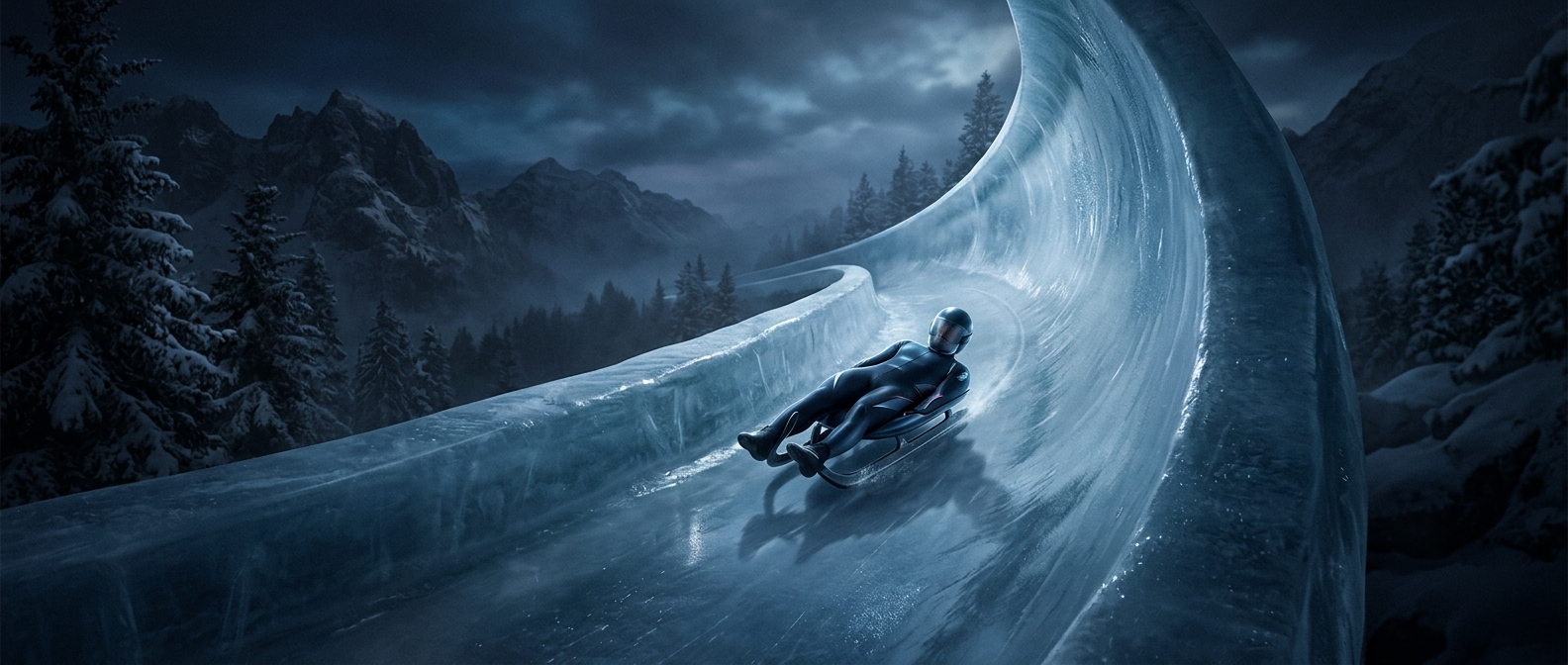
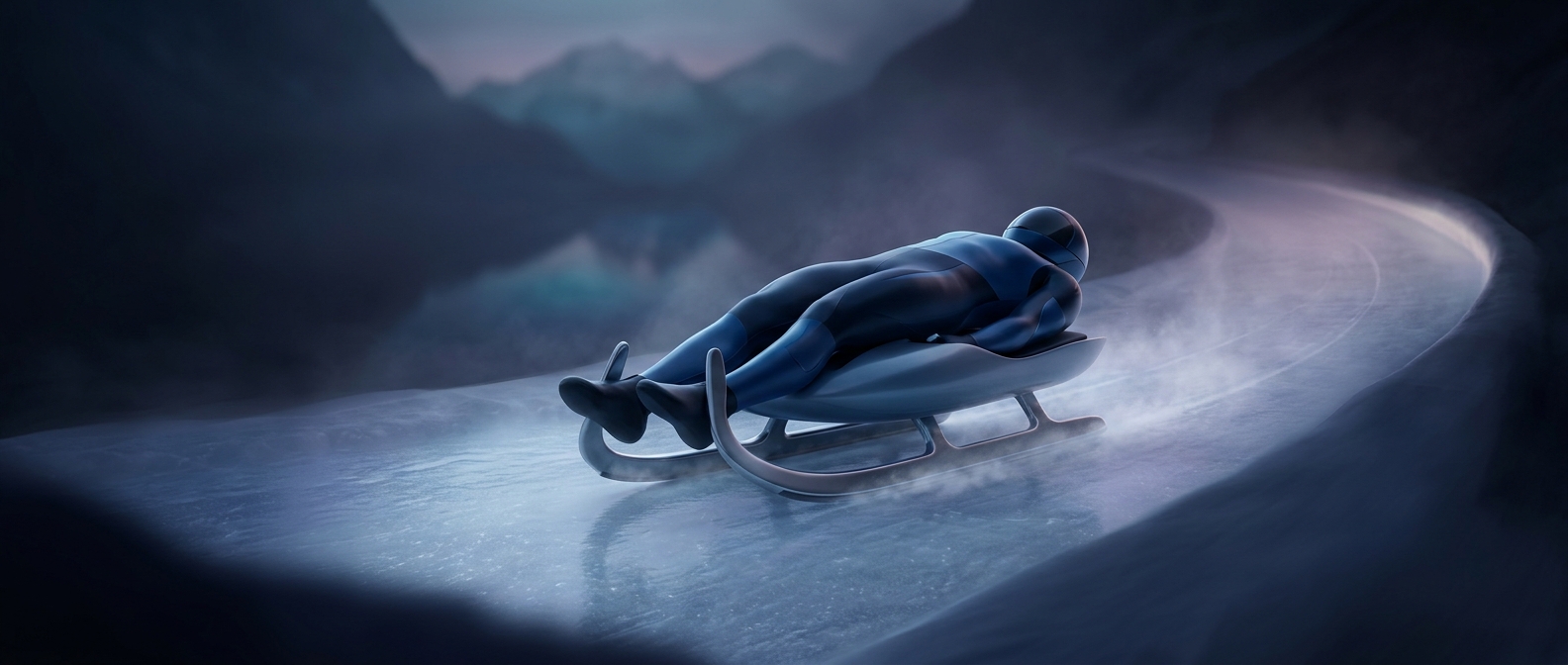
A luge sled has no handlebar or tiller connecting the rider’s hands to its runners. Instead, the rider makes small movements that change how the sled’s two metal runners meet the ice. The runners are the narrow blades that support the sled and guide it along the track.
To turn, a rider shifts pressure through the shoulders and hips and presses a lower leg against the front portion of a runner. That pressure can slightly alter the runner’s angle and how it bears on the ice. The sled then follows a different line through the curve. It is less like turning a car’s wheels and more like making a precise adjustment with the body while balancing on a very fast-moving blade.
Why the Inputs Have to Be So Small
A luge track is built with banked curves, so the sloped ice helps keep the sled moving around a bend. The rider’s job is to work with that shape: guide the sled through the curve without scrubbing away too much speed against the ice or drifting into the wall. A large or late correction can upset the sled’s line; a small, early one can be enough to change it.
That makes steering a coordination problem, not a matter of strength alone. The rider feels the sled’s response through the body and adjusts pressure while lying almost flat, with little room to move. The absence of a mechanical steering system saves no effort; it transfers the control directly to the athlete. On luge, the hardware offers only a pair of runners—the rider’s body supplies the steering.