The Small Margins That Make a Win Feel Earned
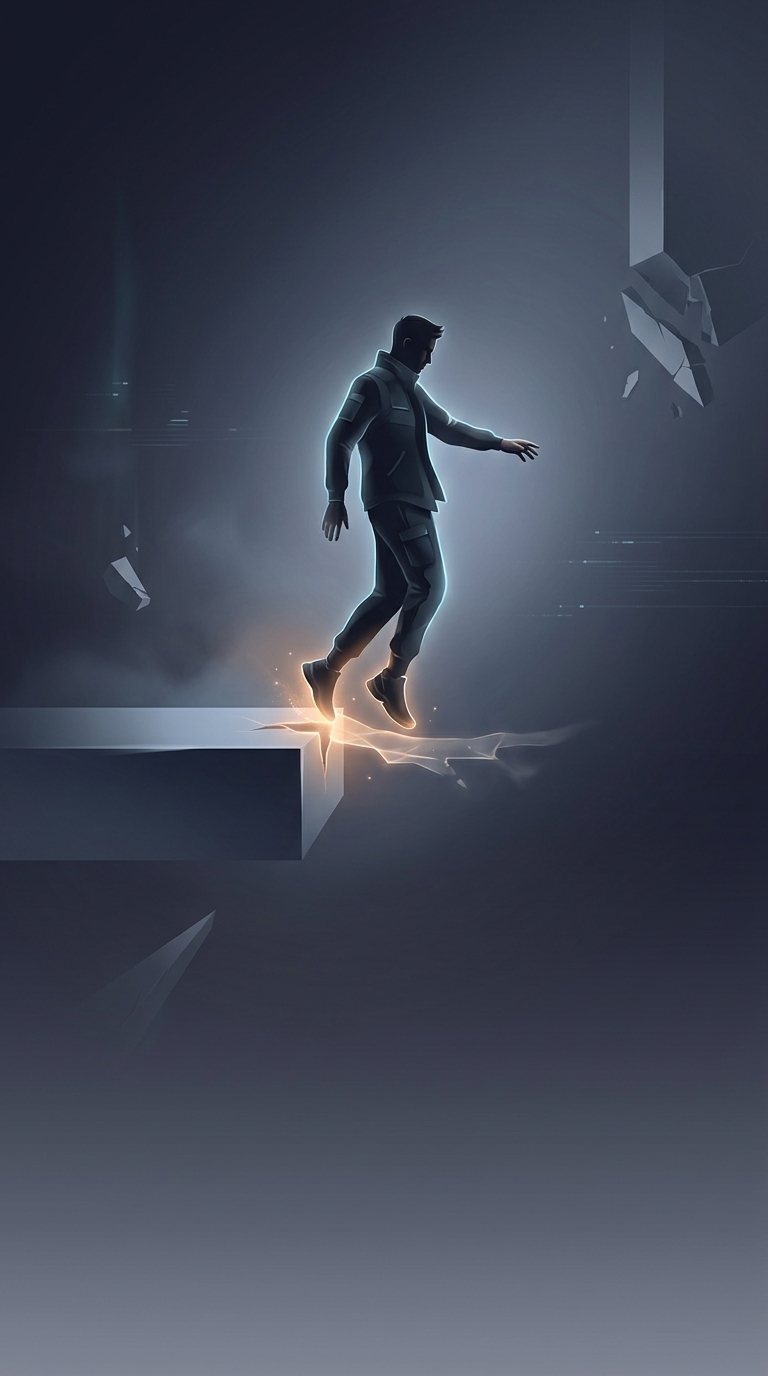
A game can quietly make difficult actions more forgiving without making them look easier. A jump may still appear to miss a ledge, but the game might allow the player to land for a fraction of a second after stepping off. That grace period is often called coyote time. Similarly, input buffering lets the game remember a button press made just before an action becomes available, then carry it out as soon as it can.
These tweaks don’t play the game for you. They catch tiny timing errors that would otherwise turn a good attempt into a frustrating failure. Because the correction happens inside the rules, players usually experience it as better reflexes rather than assistance.
Help That Adapts to the Player
Other safety nets respond to how a player is doing. An action game might offer a little more health after repeated failures, while a racing game may let struggling drivers recover ground more easily. In shooting games, aim assistance can slow the crosshair near a target or gently steer it toward one. The amount and visibility of help vary: some games make assistance an explicit setting; others build a fixed amount of forgiveness into the controls or encounters.
Designers have to balance that help against trust. Too little, and a game can feel punishing for reasons unrelated to skill. Too much, and a victory may feel hollow—or a sudden adjustment may make the challenge seem inconsistent. The strongest systems preserve the player’s decisions and sense of control while smoothing over small slips.
That is why the best safety net is often hard to notice. The player still chooses the jump, lines up the shot, or survives the encounter. The game simply gives a near-success a chance to become a success.