A name for manufactured workers
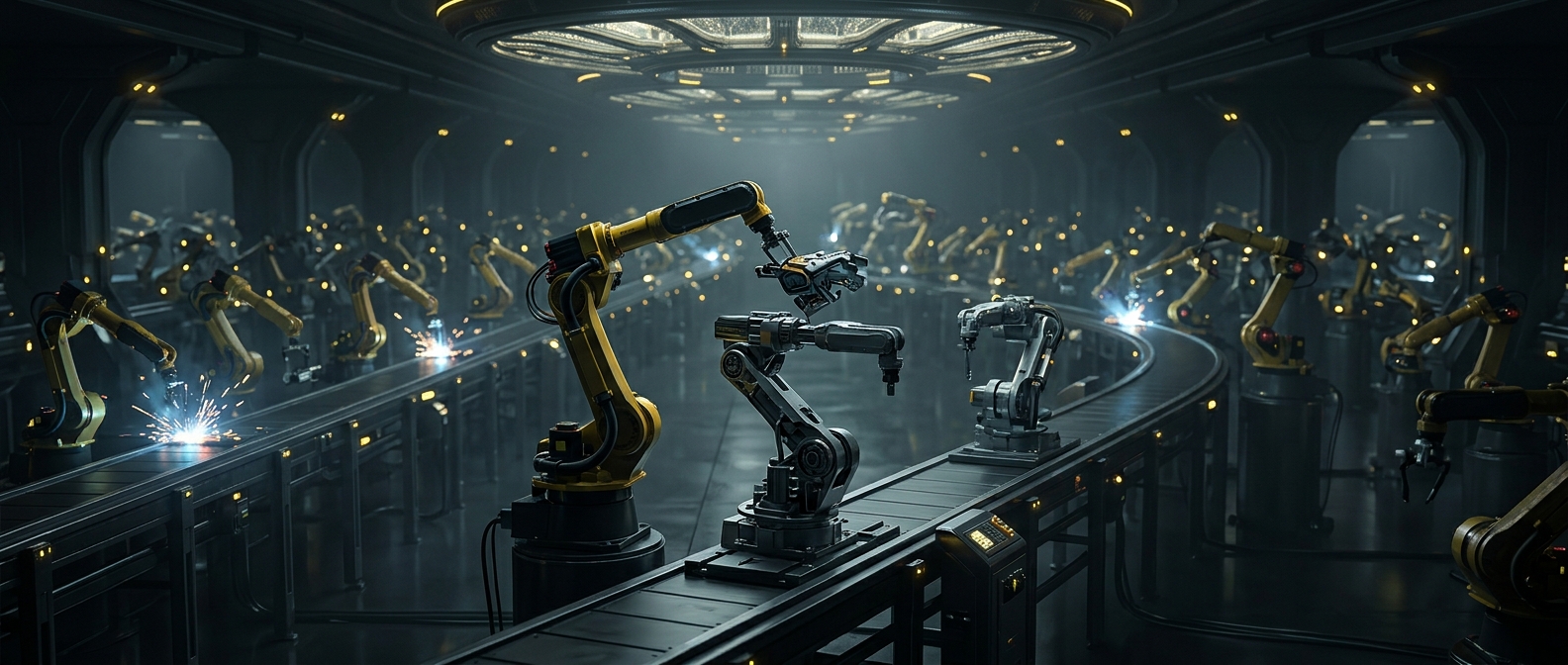
In Karel Čapek’s 1920 play R.U.R.—short for Rossum’s Universal Robots—“robots” are not metal machines. They are artificial workers made to perform labor for humans. The play helped carry the word into public use, but the naming was a family effort: Čapek later credited his brother Josef with suggesting “robot.” The word draws on robota, a Czech term for compulsory or hard labor, with roots in older Slavic languages.
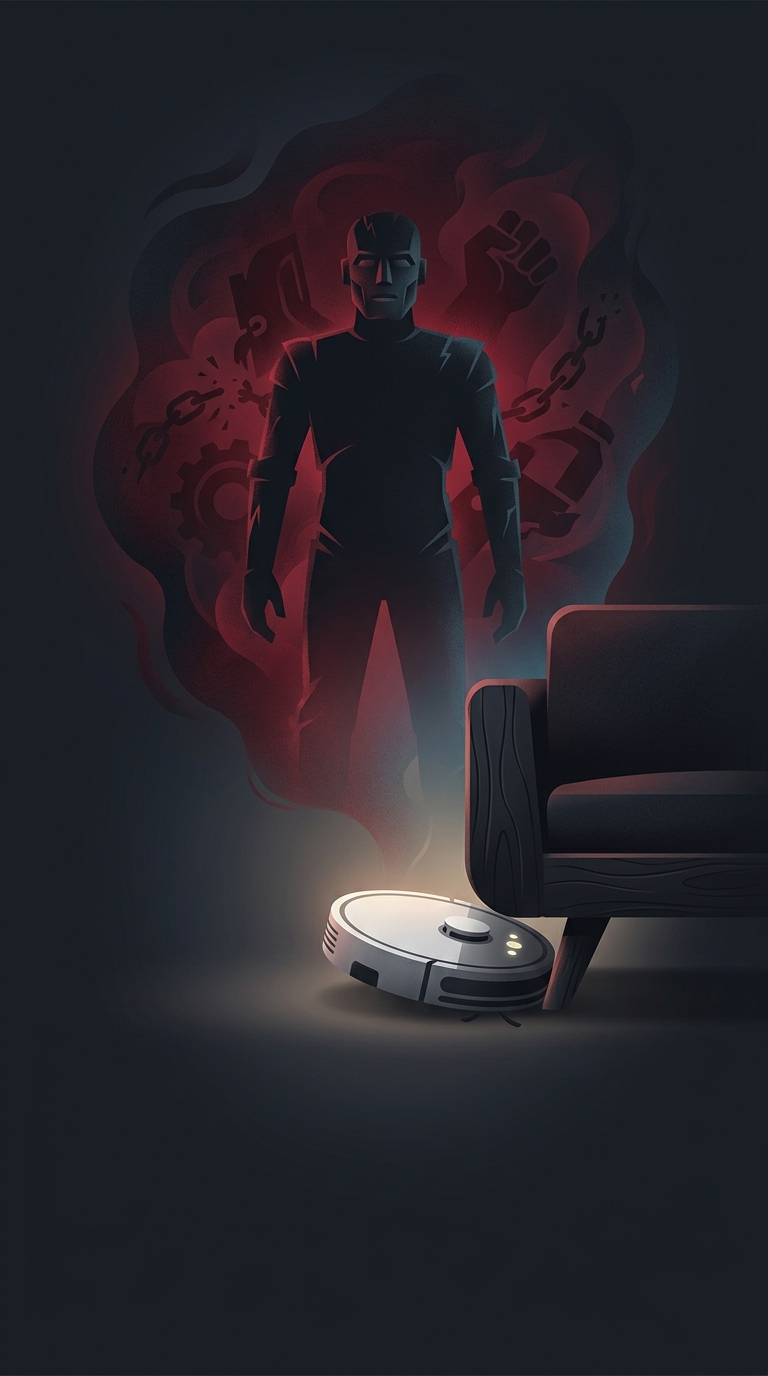
That origin gave the word a human meaning before it became a technical label. A robot was first imagined as a worker whose purpose was set by someone else. In the play, that arrangement becomes the source of conflict: people depend on their manufactured workforce, while the workers’ treatment and independence become impossible to ignore.
From laborer to household appliance
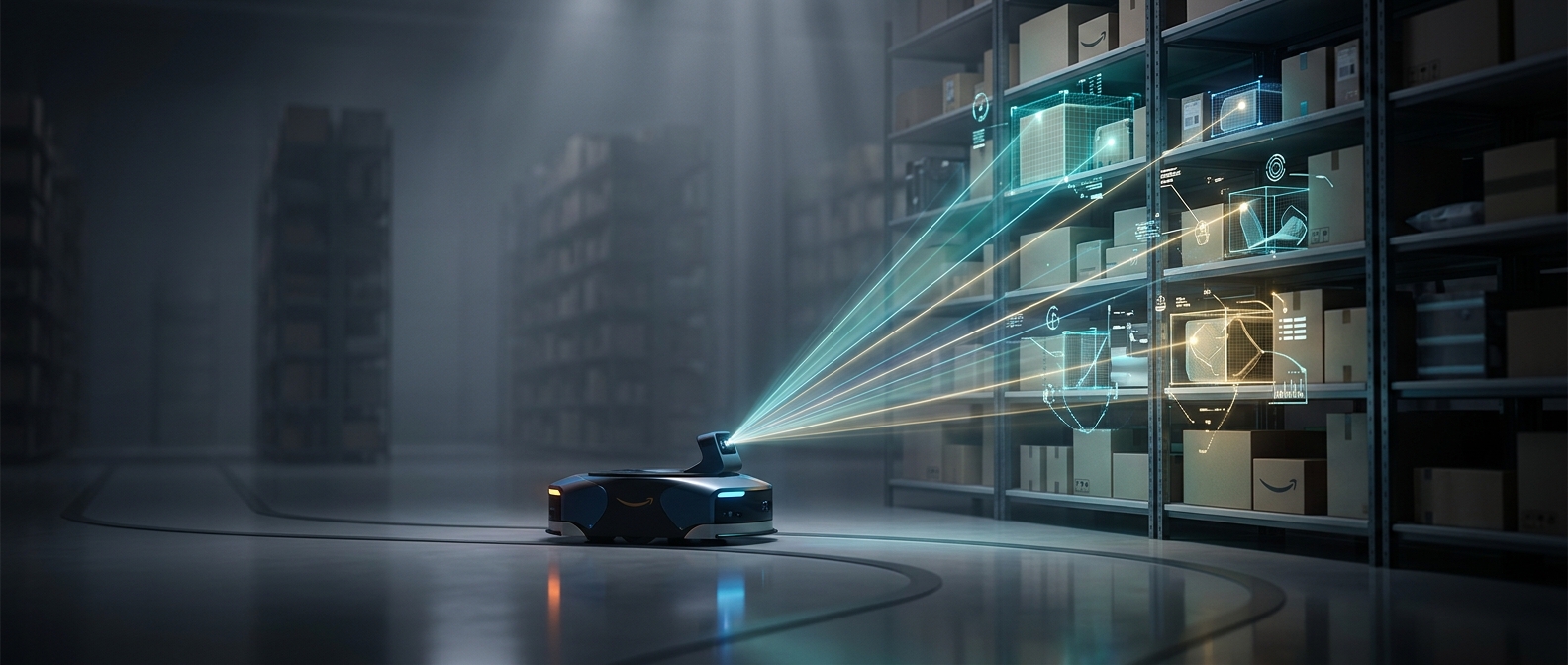
Over time, “robot” broadened from Čapek’s artificial people to machines that perform tasks with some degree of automatic control. A robot vacuum is a very different kind of creation: it senses parts of its surroundings and moves through a room without someone steering every turn. It does not understand the room as a person does; it follows programmed rules and responds to sensor readings.
That gap between the word’s dramatic origin and its everyday use is revealing. The old question was who should control artificial workers. In a home, the question is smaller but concrete: can a machine navigate the space we give it? A vacuum can clean on its own and still wedge itself beneath a couch—an everyday reminder that “robot” names a task-performing machine, not a guarantee of good judgment.