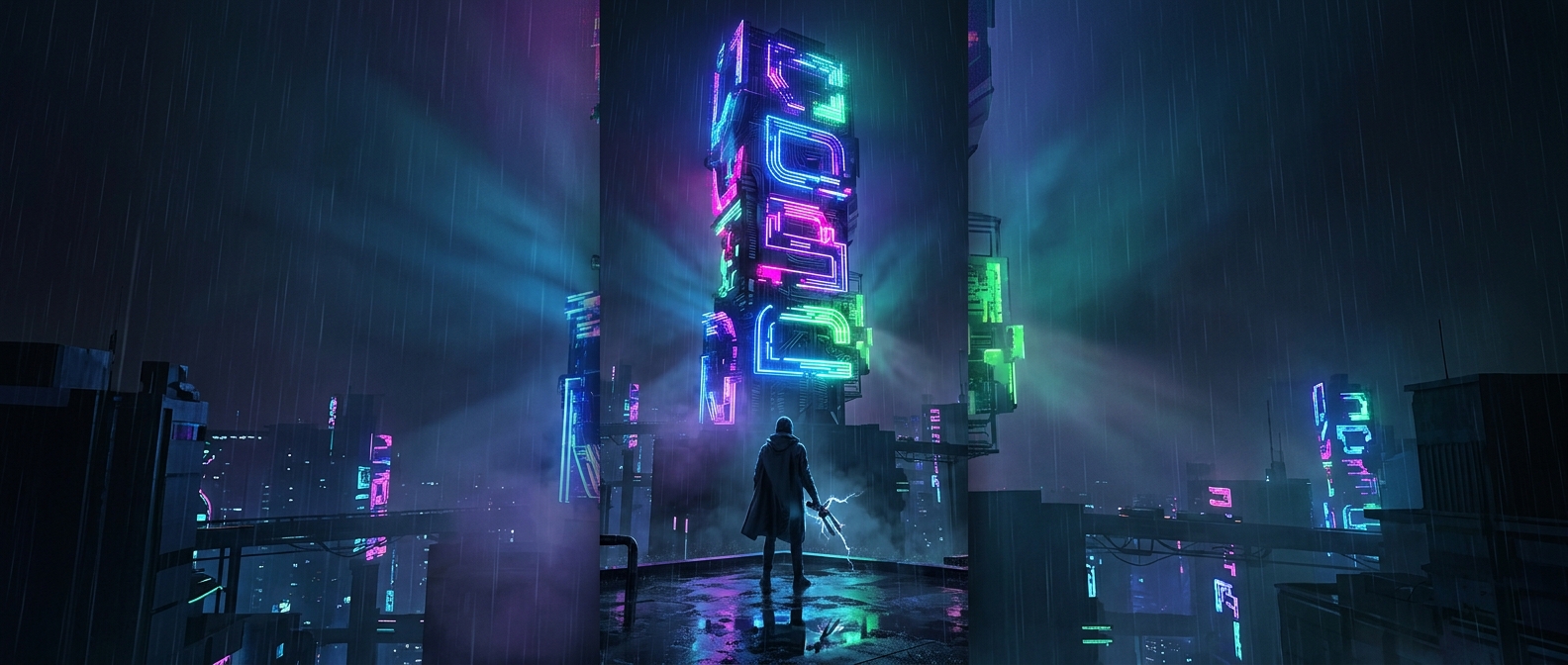
A future city built from familiar logos
In Blade Runner, the billboards of Los Angeles in 2019 were meant to make the future feel crowded, commercial, and recognizable. Instead of inventing a new visual language for advertising, the film placed real brands—including Atari, Pan Am, and RCA—high above its rain-soaked streets. Their logos helped turn an imagined city into a place that seemed to have grown out of the one viewers already knew.
When the future outlasted the companies
The joke emerged later, as the film’s imagined date approached and passed. Atari suffered severe financial trouble; Pan Am eventually ceased operations; and RCA lost its independent identity after being acquired. Those different outcomes became bundled together as the “Blade Runner curse,” as if appearing on a billboard in the film foretold a company’s decline.
The pattern is memorable partly because the movie gives its brands such a vivid afterlife: viewers can still see them glowing over a city that otherwise looks futuristic. But the companies’ troubles had their own business causes. The film did not predict or bring them about; it simply preserved their logos in a striking picture of the future.
A billboard becomes a time capsule
That contrast is the real twist. The film’s future is now a record of the commercial world its creators could see around them, while the subsequent fates of those companies make the scenery feel eerily prophetic. A billboard meant to suggest permanence can, in hindsight, become a snapshot of how quickly even familiar names can change or disappear.