What digital images leave out
Film grain begins with the physical medium: light changes tiny light-sensitive crystals in the film, creating a fine, irregular pattern. Digital cameras instead record brightness and color as orderly pixel values. That precision can make a picture look unusually smooth, especially in areas such as shadows, skies, or softly lit skin. Viewers accustomed to movies shot on film may read that smoothness as sterile or synthetic.
Grain adds texture—and variation
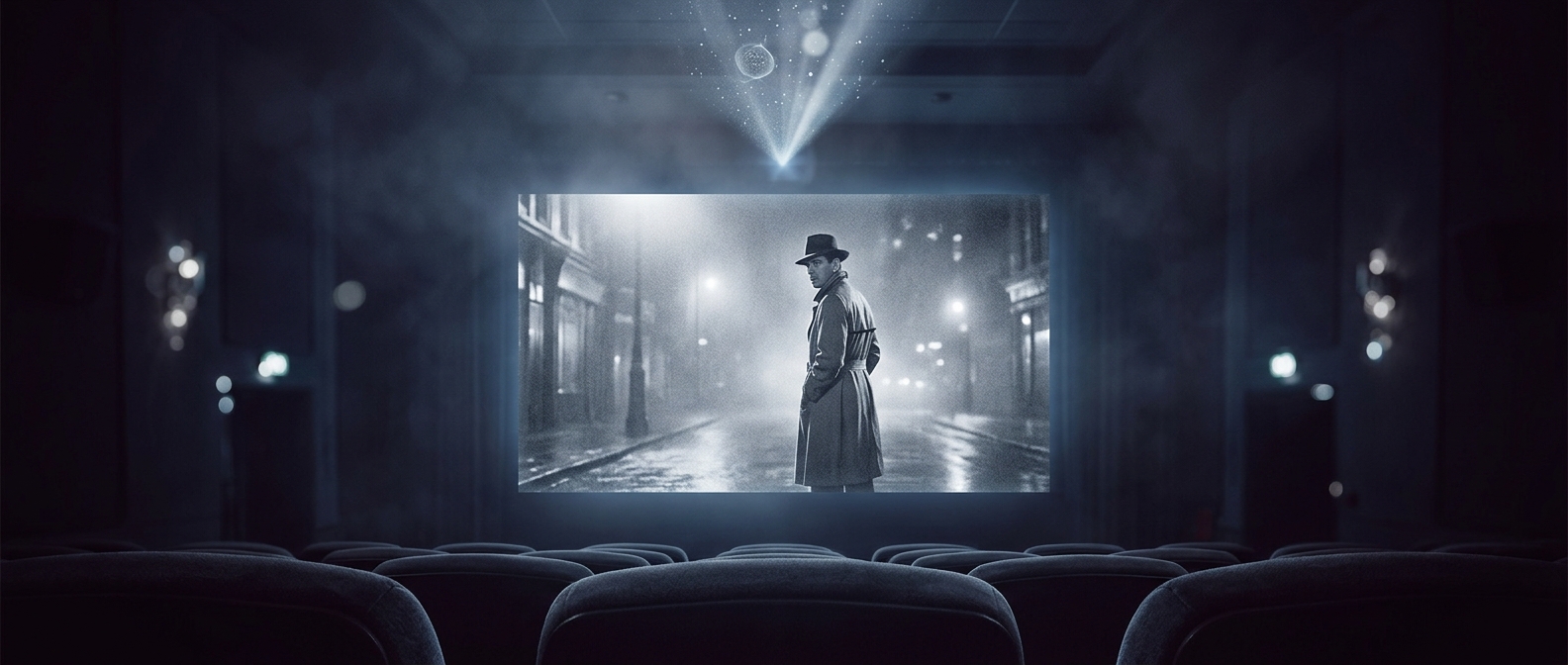
Editors can overlay a digital image with simulated grain: tiny, shifting flecks that mimic the uneven texture of film. The pattern gives otherwise uniform areas subtle variation, helping an image feel less like a pristine electronic capture and more like a photographed scene. Because real grain changes from frame to frame, convincing simulations also vary over time; a fixed pattern would look like dirt stuck to the screen.
The effect is not simply a matter of making the picture rougher. Grain size, strength, and movement can influence whether an image feels delicate, gritty, or nostalgic. Applied too heavily, it obscures detail and draws attention to itself. Used lightly, it can soften the impression of digital sharpness without changing what the scene depicts.
A deliberate stylistic choice
Adding grain is one way filmmakers shape the audience’s sense of a movie’s visual world. It can help digitally captured footage sit alongside film-originated material, or give a clean image a texture associated with older cinema. The irony is that a pattern once caused by the limits of photographic film is now recreated with software—not because digital cameras cannot capture a clear image, but because perfect clarity is not always the look a story needs.