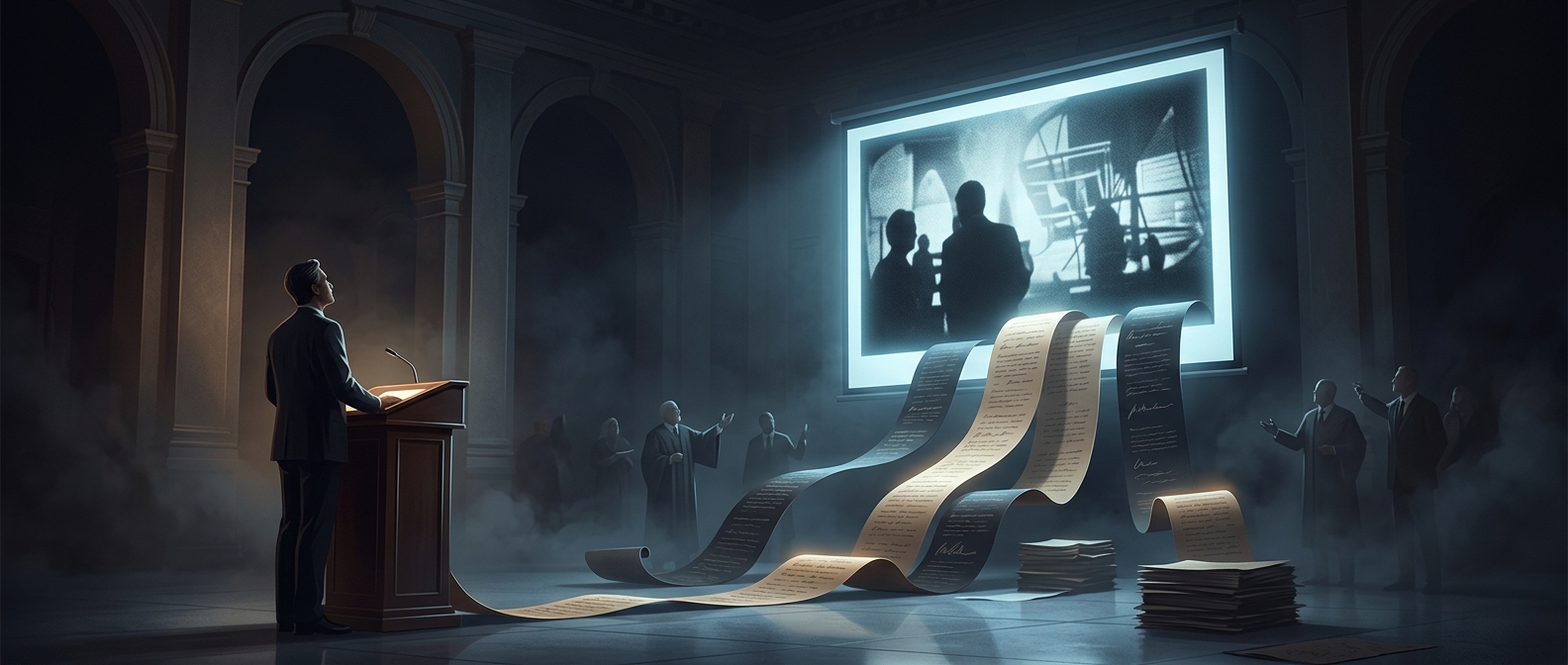
A Hollywood thriller turned secrecy into a public issue
Oliver Stone’s JFK presented a disputed account of President John F. Kennedy’s assassination and suggested that the official story concealed a wider plot. Its dramatic claims drew fierce criticism—but the controversy also focused attention on a less cinematic fact: decades after the assassination, many government records about it remained secret.
That gap between a famous event and inaccessible files gave the debate a practical target. Instead of settling the film’s claims, lawmakers faced a public question about who should decide what the government could continue to withhold.
The Records Act changed who controlled the clock
In 1992, Congress passed the President John F. Kennedy Assassination Records Collection Act. It ordered assassination-related records to be gathered in a collection at the National Archives and established a presumption that they should be disclosed. Agencies could seek to postpone release when disclosure posed a specified harm, but secrecy was no longer meant to continue by default.
The law also created an independent review board to examine records and agency requests for continued secrecy. That mattered because it gave the release process oversight beyond the agencies holding the files. The act set a deadline for disclosure, while allowing postponements under defined conditions.
The film’s impact was political, not evidentiary
The movie did not prove a conspiracy or write the law by itself. Its influence was that it helped make secrecy around the assassination a high-profile public controversy, adding pressure for a formal review of the records. The lasting consequence was procedural: millions of pages could be assessed for release under a law designed to make withholding an exception that had to be justified.