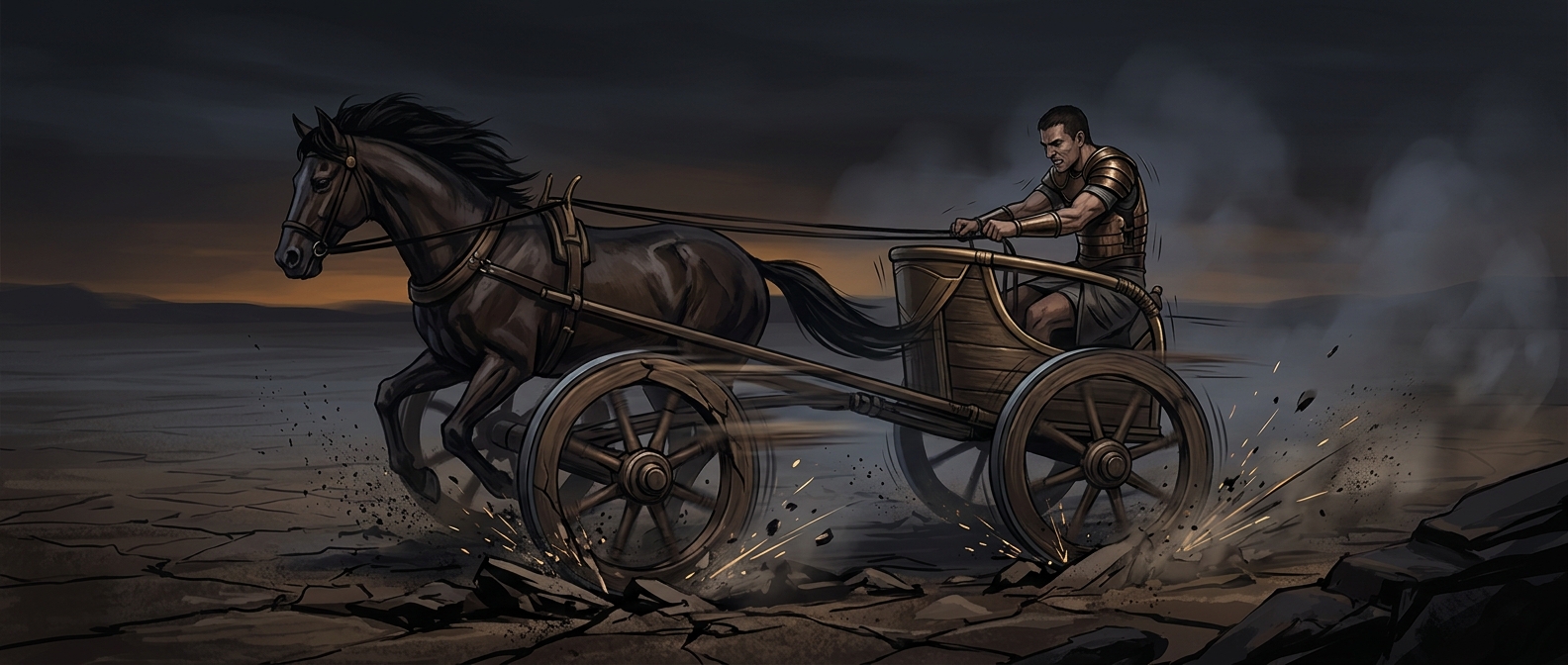
Why Sand Buggies Wear Paddle Tires
On a hard road, a tire grips by pressing its tread against a firm surface. Loose sand gives way instead: an ordinary tire can dig in and spin without finding much to push against. Paddle tires are built to make that loose material do useful work.
Their raised, widely spaced lugs act like small scoops. As the wheel turns, each paddle presses into the sand and drives it backward. The sand’s resistance pushes the tire—and the buggy—forward. The tread is not simply floating over the surface; it is continually moving sand to create traction.
Grip Comes With a Sandblasting Tradeoff
That forceful grip has a visible side effect. The paddles fling sand behind the vehicle, so a buggy following closely can get peppered by the spray. What looks like dust kicked up by the tires is part of the same action that propels the vehicle: the sand is being thrown backward as the buggy moves ahead.
This is why spacing matters on a sandy route. A driver needs room not only to react to the terrain, but also to avoid the stream of grit from the vehicle in front. The tires turn the ground into propulsion—and into a moving hazard for anyone directly behind.