Why Paintball Turns a Forest Into a Game Board
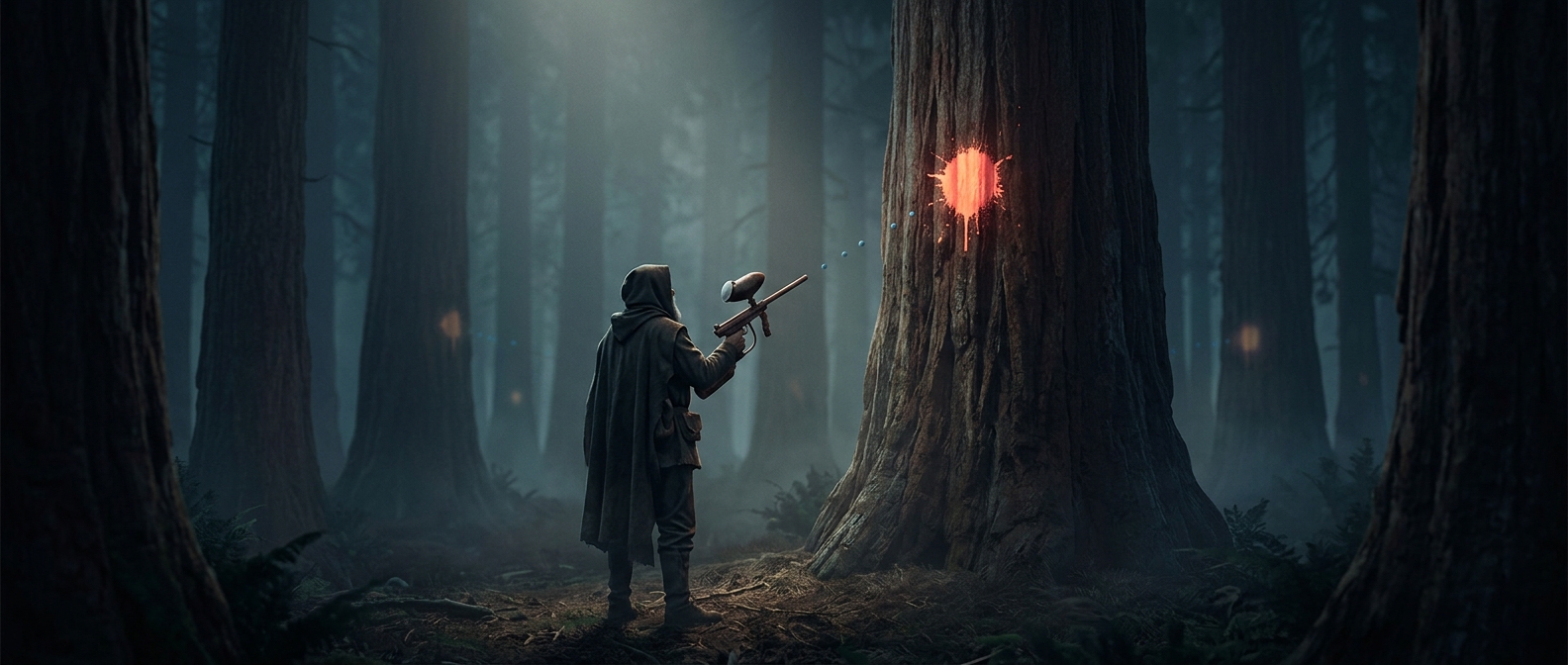
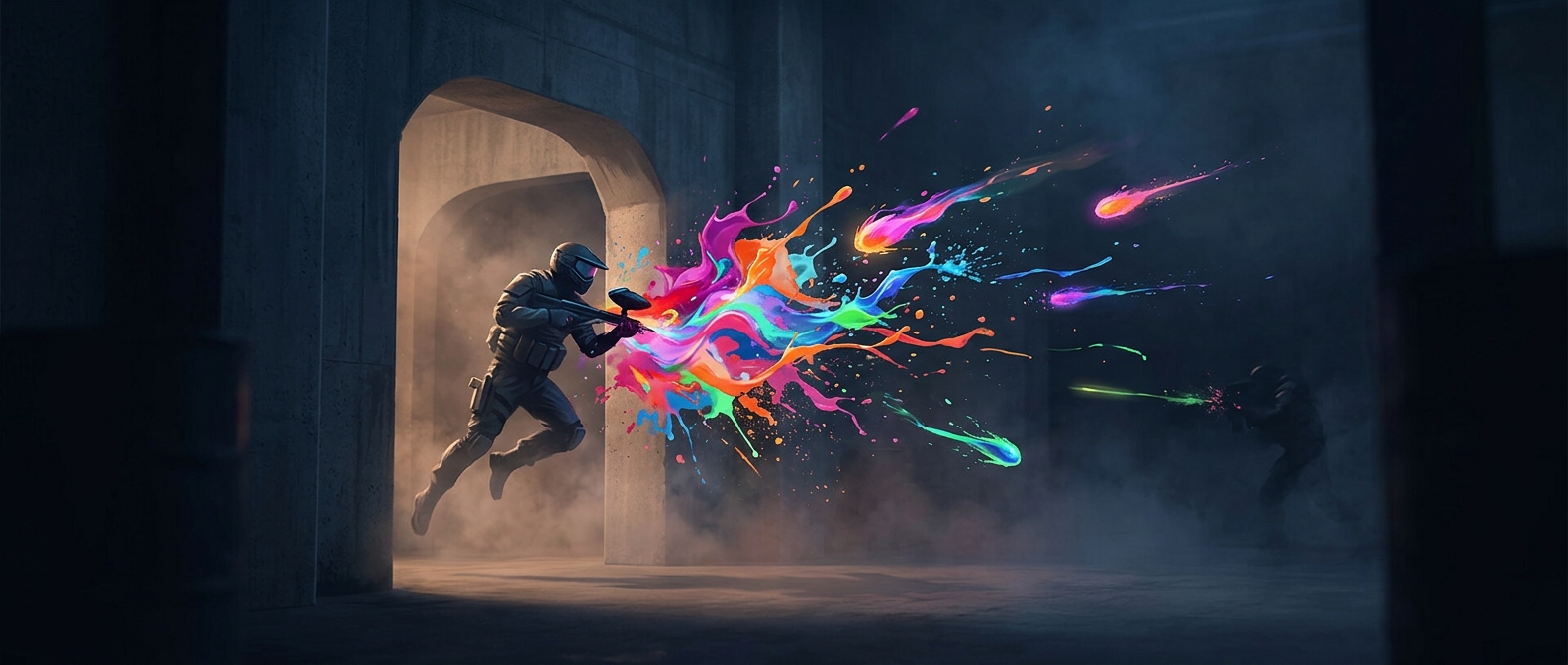
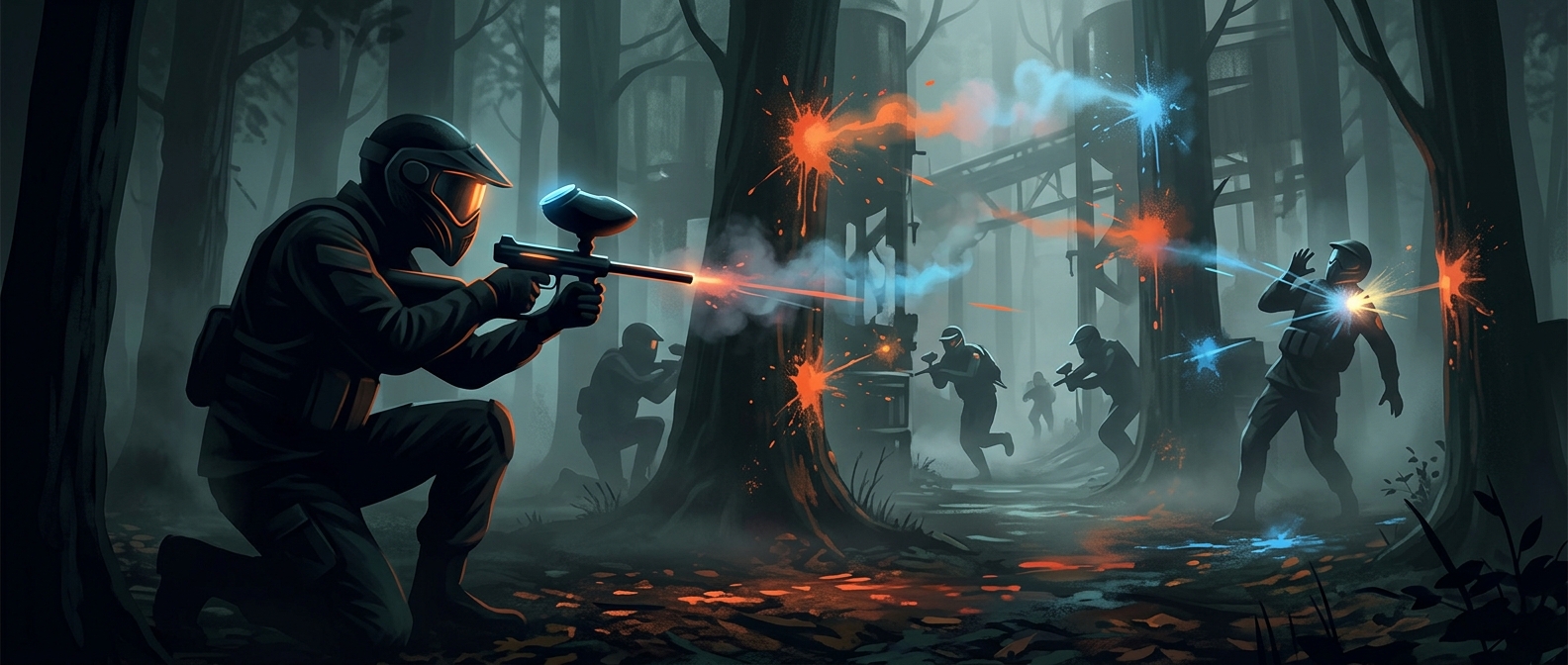
Paintball makes ordinary movement feel consequential. Trees and banks become cover; a glimpse of an opponent can change where a player runs next. Because the paint-filled pellets mark hits visibly, players get immediate feedback: a shot has landed, and the situation has changed. That simple loop—spot, decide, move, react—keeps attention locked on the next few seconds.
The Appeal Is in the Shared Uncertainty
Unlike a fixed course with one obvious route, a wooded field leaves room for surprises. Players have to guess where opponents may be, coordinate with teammates, and decide when to risk leaving cover. Plans can unravel quickly, so even a short match can feel like a sequence of small, tense decisions rather than a test of who can run fastest.
The experience also depends on everyone agreeing to play by the same rules. A hit usually means a player is out for that round or must follow the field’s specific procedure, giving the game clear stakes without making the competition permanent. Since the outcome is visible to the group, bluffing and argument have less room to replace the action.
The Sting Is Part of the Tradeoff
A paintball can leave a welt, so protective gear and field rules matter; the discomfort is not the point by itself. For many players, it is part of accepting a physical, unpredictable challenge with friends. The game makes risk feel immediate but bounded: players can push into the open, get marked, and then return to ordinary life when the round ends. That temporary boundary is what lets a muddy sprint through the trees feel intense without turning it into a real fight.