Why a Convenience Store Became a Viewpoint
The draw was an unlikely-looking composition: Mount Fuji rising behind a familiar Lawson storefront. The ordinary shop in the foreground made the mountain seem unusually close and gave visitors a ready-made frame for a photograph. Once that image spread online, the spot functioned less like a passing roadside view and more like an informal photo attraction.
That shift changed the pressure on the surrounding streets. Visitors gathering for the same shot could spill into traffic or onto nearby property, while residents dealt with the litter and disruption. The scenery was public in a broad sense, but the best-known camera position depended on shared sidewalks and land beside the road—not a purpose-built viewing area.
A Barrier Changes the Picture
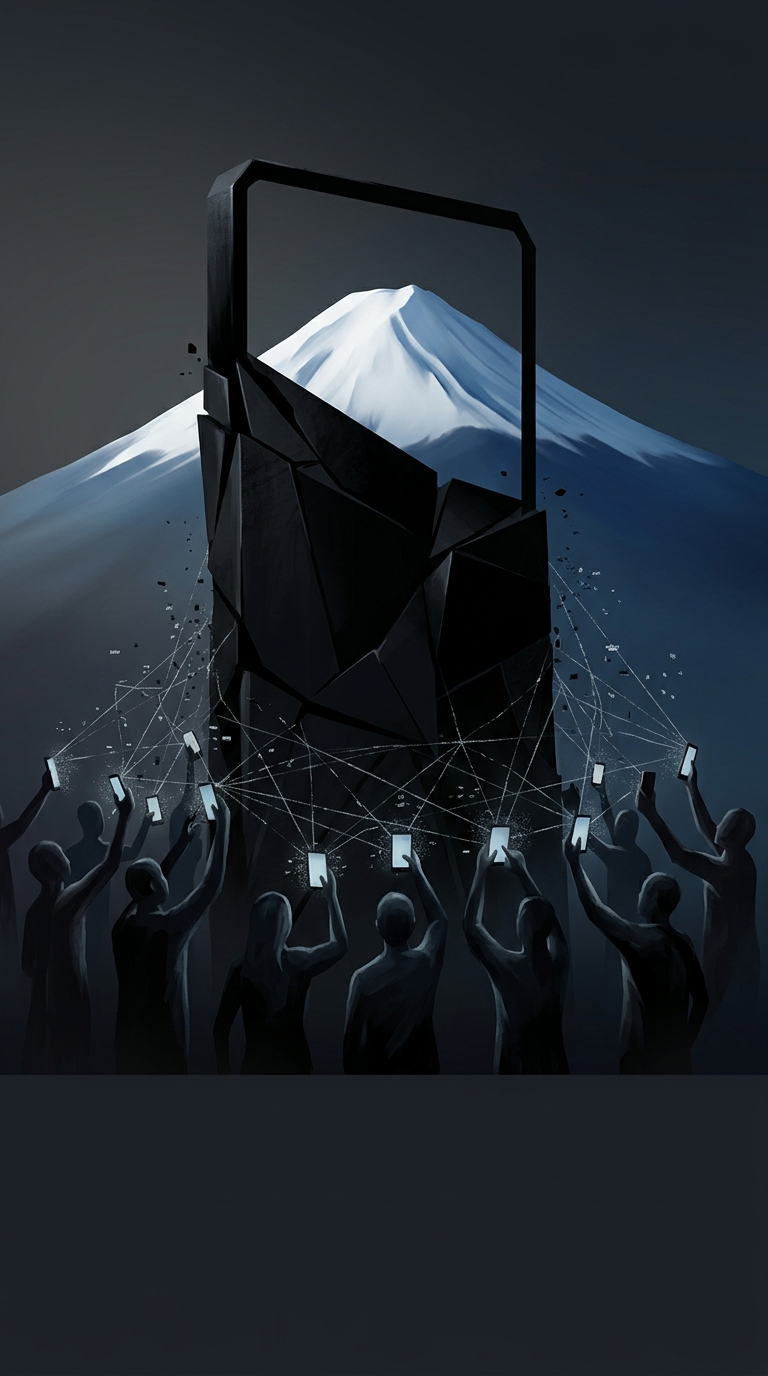
Fujikawaguchiko’s black screens were a blunt way to interrupt that arrangement. By blocking the familiar line of sight from the photo spot, they made the easy, repeatable storefront-and-Fuji image harder to capture. The barrier did not remove the mountain; it changed what could be seen from one particular place.
That distinction matters. A famous landscape can attract visitors without providing the infrastructure to handle them at every viral vantage point. Screens may reduce the appeal of one composition, but they also show the tradeoff locals face: preserving access to a celebrated view while protecting the streets and private spaces that make the view possible. In this case, the most recognizable frame depended on a place that was never designed to be a tourist attraction.