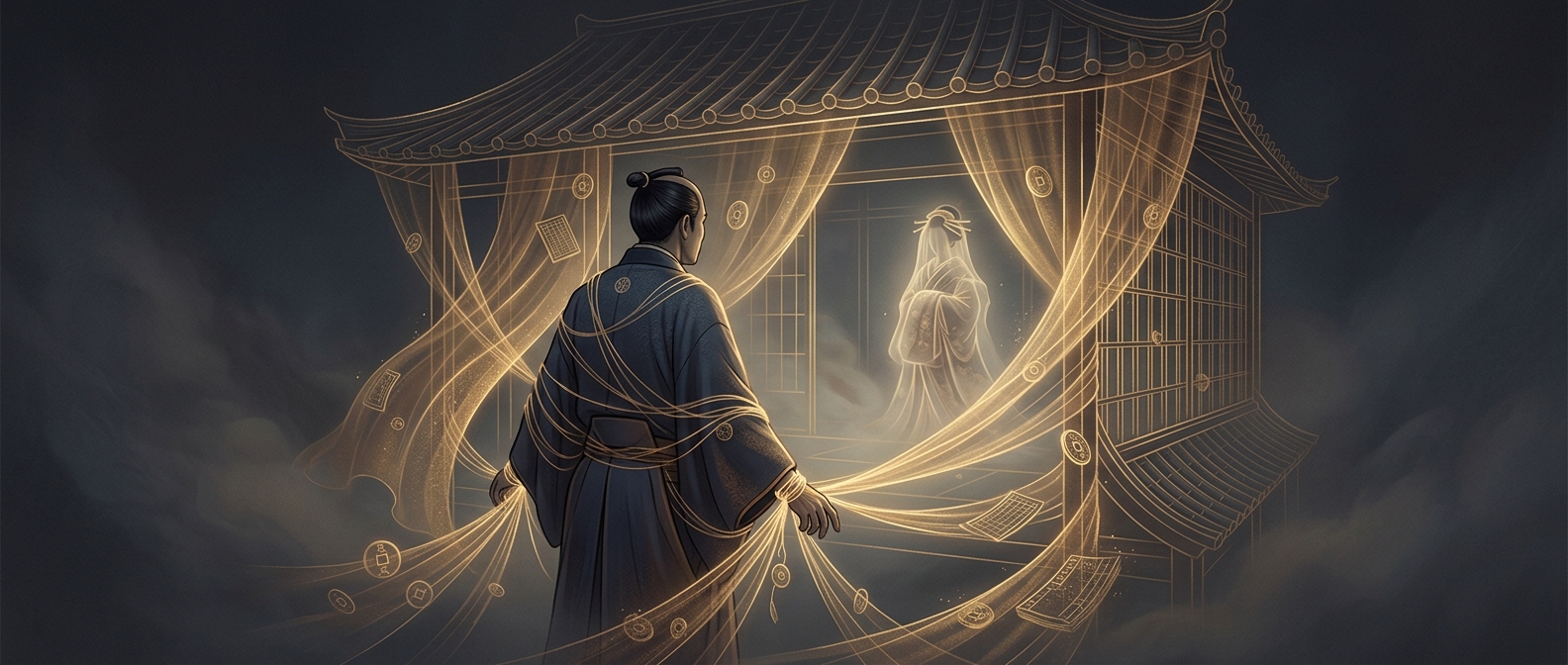
Why an Oiran’s attention was hard to buy
In Edo-period Japan, an oiran was a high-ranking courtesan in a licensed pleasure quarter, especially associated with Yoshiwara in Edo (today’s Tokyo). Her appeal rested not only on beauty or entertainment but also on status: she was trained in arts and cultivated manners, and her time was carefully managed. Even a wealthy samurai could be turned away.
That refusal made courtship a contest. A man had to show that he could afford the elaborate social world around an oiran, not simply pay for one encounter. Visits could involve banquets, gifts, and the services of attendants. The expense accumulated, while the effort to win her favor could require repeated visits.
How courtship became a financial trap
The system made spending visible. A patron’s generosity helped establish his standing, and competing admirers had reason to outdo one another. Meanwhile, the oiran’s ability to choose among clients gave her—and the house that managed her appointments—leverage. Money could secure access to the competition, but it could not guarantee affection or acceptance.
For samurai, the danger was that personal display could outrun personal means. Their income and obligations were often tied to a lord’s domain and a household’s finances; extravagant private spending could therefore reach beyond one man’s purse. A patron who borrowed, depleted family resources, or drew on clan funds to maintain his pursuit risked turning a pleasure-quarter courtship into a wider financial crisis.
Not every samurai was ruined, and the story should not be read as a routine outcome. But the possibility points to the real power imbalance: an oiran’s refusal could keep a wealthy man spending, while his status offered no simple way to compel her to say yes.