The Eiffel Tower gets taller in warm weather
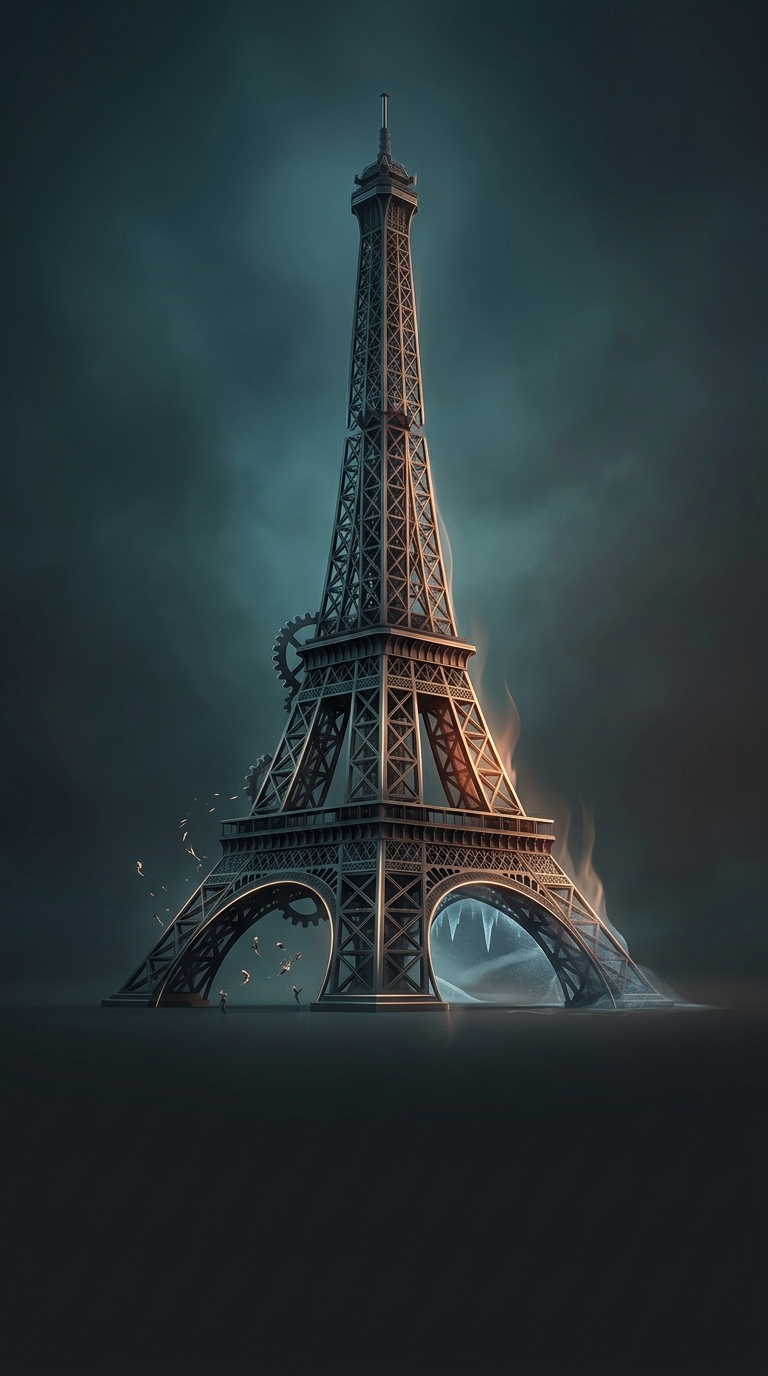
The tower’s iron structure responds to temperature. When heated, iron expands: its atoms jiggle more and, on average, sit slightly farther apart. Across a structure hundreds of meters tall, those tiny changes add up. In summer, the Eiffel Tower can become about 15 centimeters (6 inches) taller than it is in cold weather; as the metal cools, it contracts again.
Sunlight can shift it sideways, too
The change is not always perfectly even. Sunlight may heat one side of the tower more than the other, causing that side’s iron to expand more. The tower can then lean slightly away from the Sun, with its top moving by several centimeters. As the Sun’s position and the heating change, the direction of that small movement can change as well.
These are ordinary effects of thermal expansion, not signs of damage. The tower’s design allows its metalwork to accommodate small movements, so the landmark subtly changes size and position as the weather shifts.