The heart the flames did not consume
When Percy Bysshe Shelley drowned off the Italian coast in 1822, his body was recovered and cremated on a beach near Viareggio. The fire did not reduce everything to ash: accounts of the funeral say his heart remained intact. His friend Edward Trelawny took it from the pyre and later passed it to Percy’s wife, Mary Shelley, the novelist whose Frankenstein had appeared four years earlier.
The cremation was practical as well as dramatic. Shelley had died far from home, and the authorities required the body to be dealt with locally. His companions built a funeral pyre on the shore, using wood and other materials to make a fire hot enough to consume a body in the open air. In the retelling, the heart’s survival became the startling exception to that effort.
A private keepsake becomes a legend
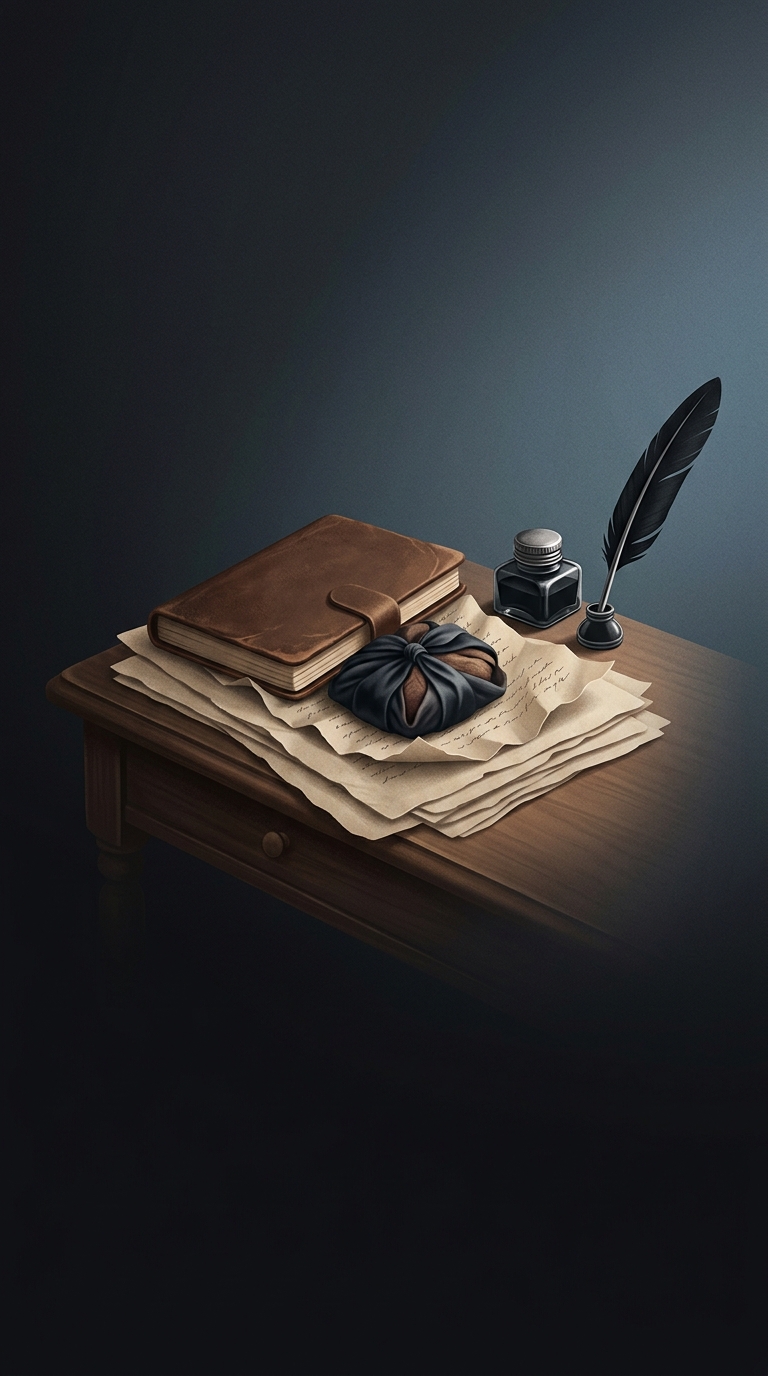
Mary kept the relic among her papers, reportedly in her desk. It was described as calcified—a hardened, mineral-like condition—though the familiar story does not establish exactly how it was preserved or what its physical state was. What mattered to those who repeated the tale was that a piece of Shelley seemed to have resisted the same fire that had taken the rest of him.
For Mary, the object joined private grief to a public literary story. The author associated with a novel about bodies, death, and the limits of human power kept a physical remnant of her husband’s death close at hand. The detail is memorable not because it proves anything about Mary’s personality, but because it turns a catastrophic loss into something small enough to keep in a drawer.