Why Some Doukhobors Protested Without Clothes
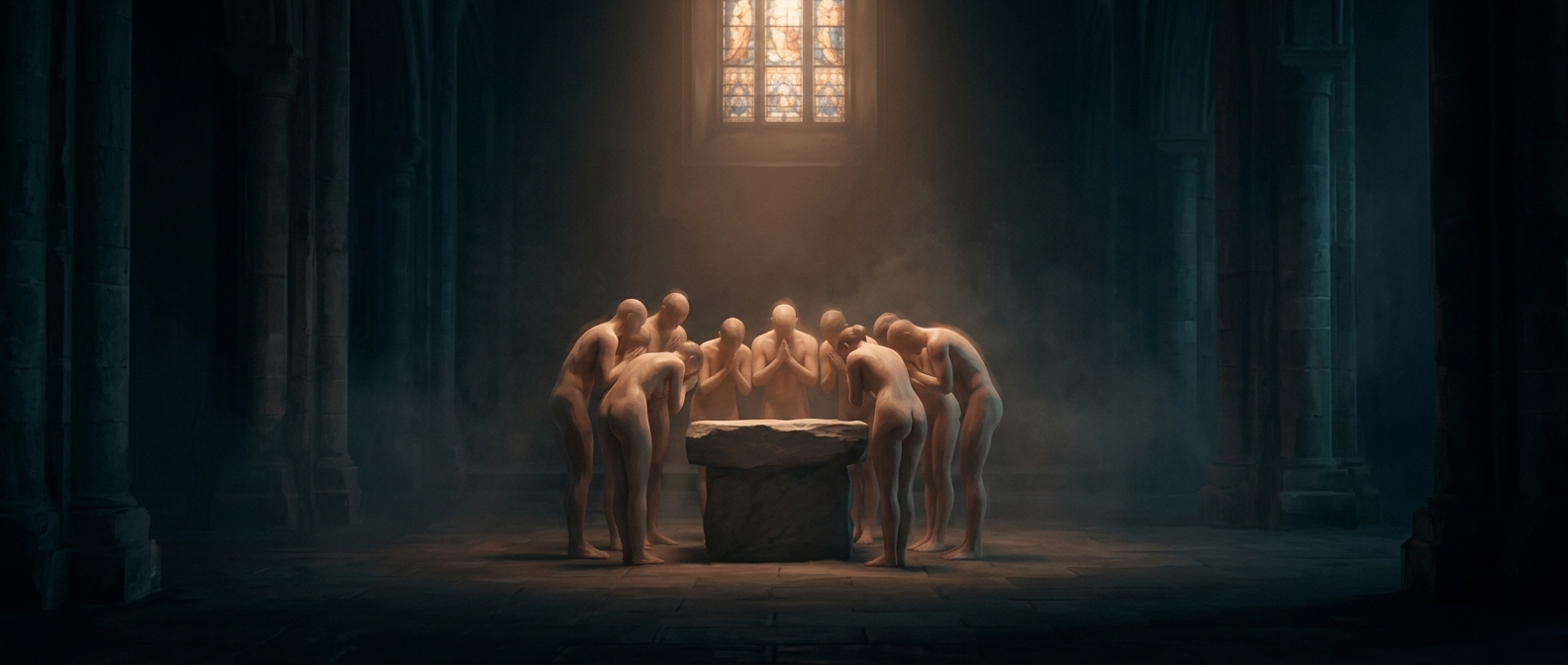
For a small radical group within the Doukhobor movement, public nudity was a form of religious protest, not a spectacle for its own sake. The Doukhobors’ faith emphasized spiritual life over worldly authority and possessions. By appearing naked, protesters made that rejection visible: clothing and property could be treated as symbols of a material world they believed was pulling people away from spiritual freedom.
A Protest Meant to Be Impossible to Ignore
The demonstrations also turned the protesters’ own bodies into the message. A parade of people without clothes disrupted ordinary public life and drew attention to conflict between the group and the authorities. Its shock was part of its force: viewers could not easily mistake the action for a routine petition or march.
The practice was associated especially with the Sons of Freedom, a radical current among Doukhobors. Their protests reflected disputes over religious conscience and outside control, though the exact causes varied across events. The group’s actions should not be confused with a general Doukhobor custom; most Doukhobors did not take part in such demonstrations.
The Cost of Making the Message Visible
Nudity made the protest memorable, but it also exposed participants to arrest, public hostility, and punishment. That risk sharpened the statement: the demonstrators were willing to face consequences rather than treat the body, or the rules governing it, as beyond the reach of their beliefs. The parade was both a rejection of material values and a deliberately public challenge to authority.