Why a screen can feel harsh without emitting dangerous rays
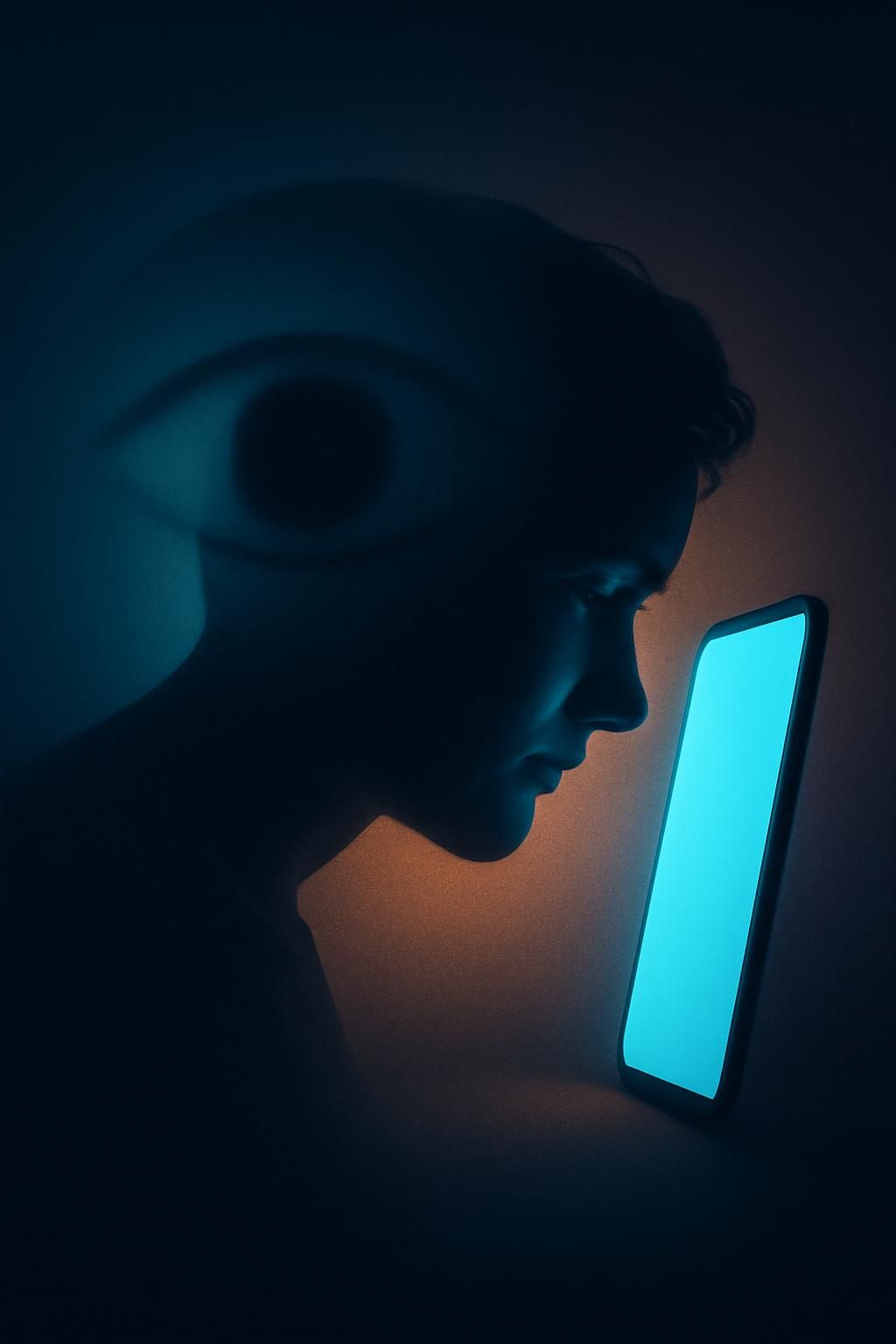
A headache after hours at a computer can have more to do with the work of looking than with radiation. Reading on a screen keeps the eyes focused at a nearby distance for long stretches. People also tend to blink less while concentrating, which can leave the eye’s surface dry and irritated. Small text, reflections, poor contrast, and a bright screen against a dim room can add to the effort.
That cluster of symptoms is often called digital eye strain. It can include tired or dry eyes, blurred vision, and headaches; it does not mean the monitor is burning or damaging the eyes with intense rays.
What a tint can—and cannot—change
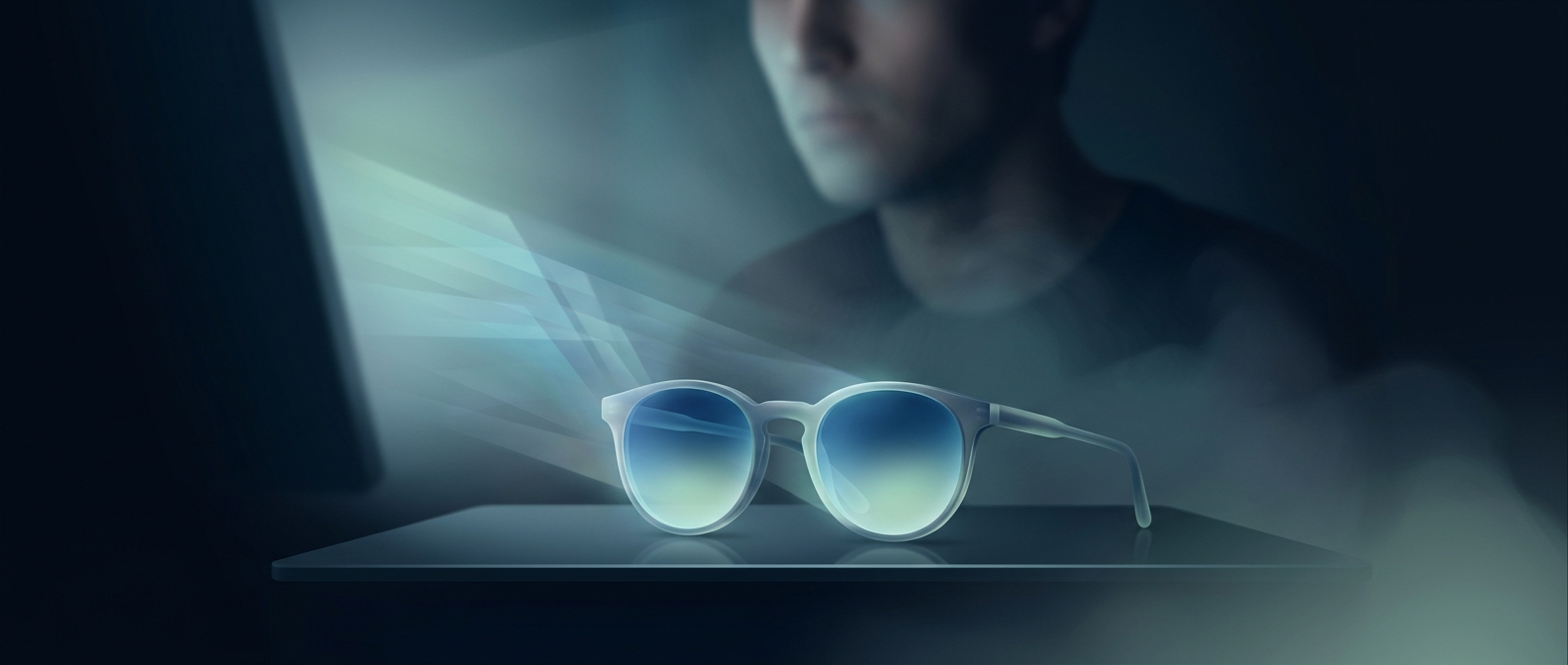
A tinted lens can reduce the amount of visible light reaching the eye or soften a contrast that a particular wearer finds uncomfortable. That may make a screen feel easier to look at, much as lowering screen brightness or moving away from a reflection can. The effect is personal: a tint that feels soothing to one person may make another person’s view darker or less comfortable.
But tinted, nonprescription lenses do not correct a focusing problem, and they are not a general fix for headaches. If discomfort comes from dry eyes, an uncorrected vision issue, or hours of unbroken close work, colored lenses may leave the main cause untouched.
The practical test is comfort, not the frame
Adjusting brightness to match the room, reducing reflections, taking brief distance-looking breaks, and remembering to blink can address common sources of strain. If headaches or blurred vision keep recurring, an eye-care professional can check whether vision correction or another cause is involved. Glasses may still be worth wearing if their tint makes work more comfortable—but the useful part is the wearer’s comfort, not protection from a major screen-radiation hazard.