Emptiness Means Things Exist Through Conditions
In Mahayana Buddhism, śūnyatā—usually translated as “emptiness”—does not mean that the world is an illusion or that nothing exists. It means that things lack an independent, unchanging essence: a permanent core that makes them what they are regardless of everything else.
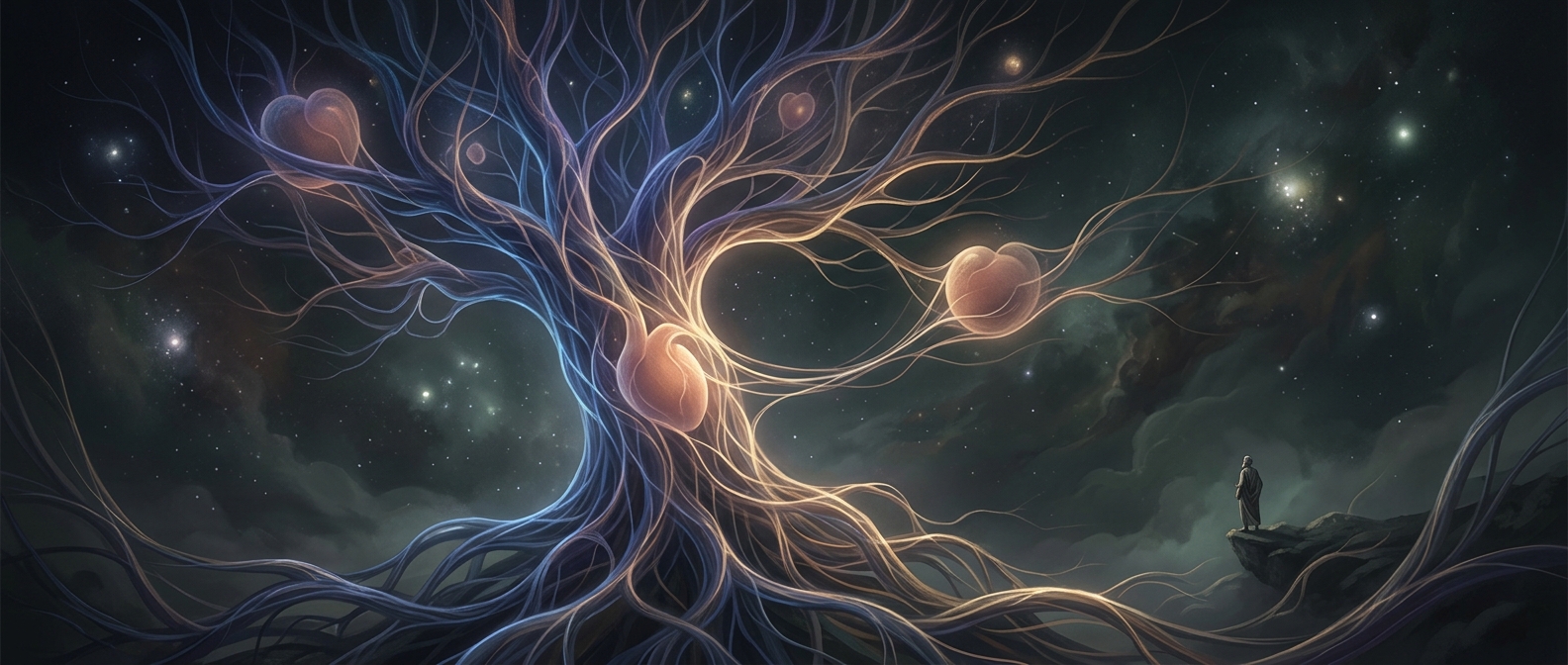
A tree, for example, depends on soil, water, sunlight, seeds, and countless other conditions. It is real in ordinary life, but it cannot be understood as a wholly self-contained thing. Its existence is bound up with what came before it and what sustains it.
Why Emptiness Is Called Ultimate
Buddhist teachings often distinguish between how things function in everyday life and how they appear when examined deeply. A cup holds water and can break; those are ordinary truths. But the cup is made of parts, materials, and causes, none of which supplies a separate, permanent “cup essence.” Its identity depends on how those elements are arranged and used.
Calling emptiness “ultimate” points to this underlying lack of independent existence. Emptiness is not a hidden substance beneath the world. It describes how the world exists: through relationships and conditions rather than in isolation.
The Practical Consequence
This view changes how permanence and identity are understood. If people and situations are not fixed in an absolute way, change is possible—and clinging to a single, unchanging idea of oneself or another person can create suffering. The same insight can encourage compassion: others, too, are shaped by circumstances and depend on one another.
Emptiness, then, is not a claim that nothing matters. It is a reason things can change, affect one another, and take on new forms.