When a Creature Creator Becomes a Mischief Tool
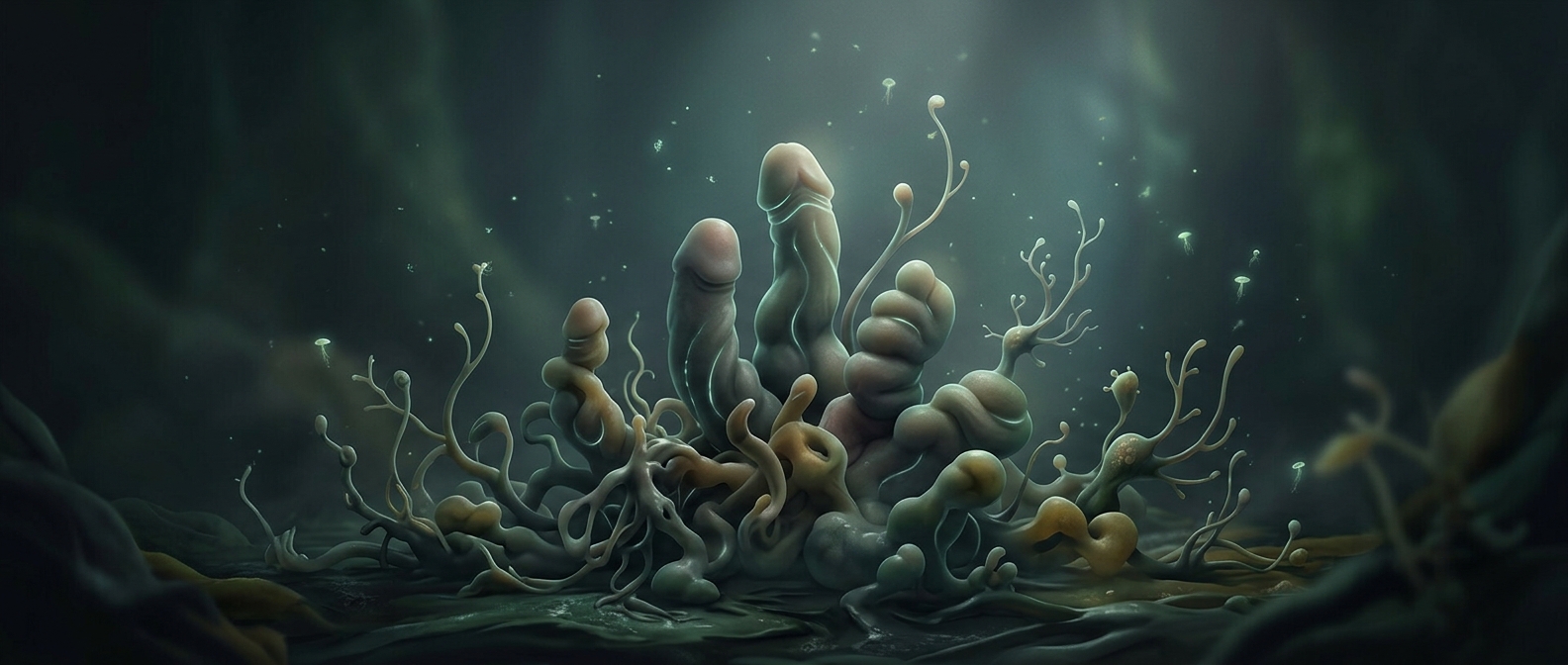
A creature-building game gives players more than a menu of ready-made monsters: it lets them combine body parts and adjust a creature’s shape. That freedom is the point, but it also creates outcomes the designers may never have intended. A few simple forms, repeated or arranged in particular ways, can make a creature resemble something plainly sexual—even when the player is using the same tools meant for horns, limbs, or tails.
Why Shape Filters Were the Fix
The problem was not limited to what one player saw on their own screen. In games where creations can be shared, a deliberately crude design can travel beyond its maker and appear in other players’ experiences. That makes the character editor part of the game’s moderation system: the rules must account not only for names and messages, but also for what players can build.
A shape filter places limits on the designs the tool will accept. It is a blunt solution compared with judging every creature’s intent, but intent is difficult to infer from a finished shape. The same creative freedom that supports bizarre, funny, or unsettling aliens can also make an inappropriate design easy to reproduce.
The Tradeoff Behind the Restriction
Every filter narrows the creator’s possibilities, so developers have to balance expression against what is suitable for a shared game. The restriction is a reminder that a character editor is not a neutral set of knobs: its available shapes determine both the variety of creatures players can invent and the kinds of jokes they can push into the game. In a shared world, even geometry becomes a content rule.