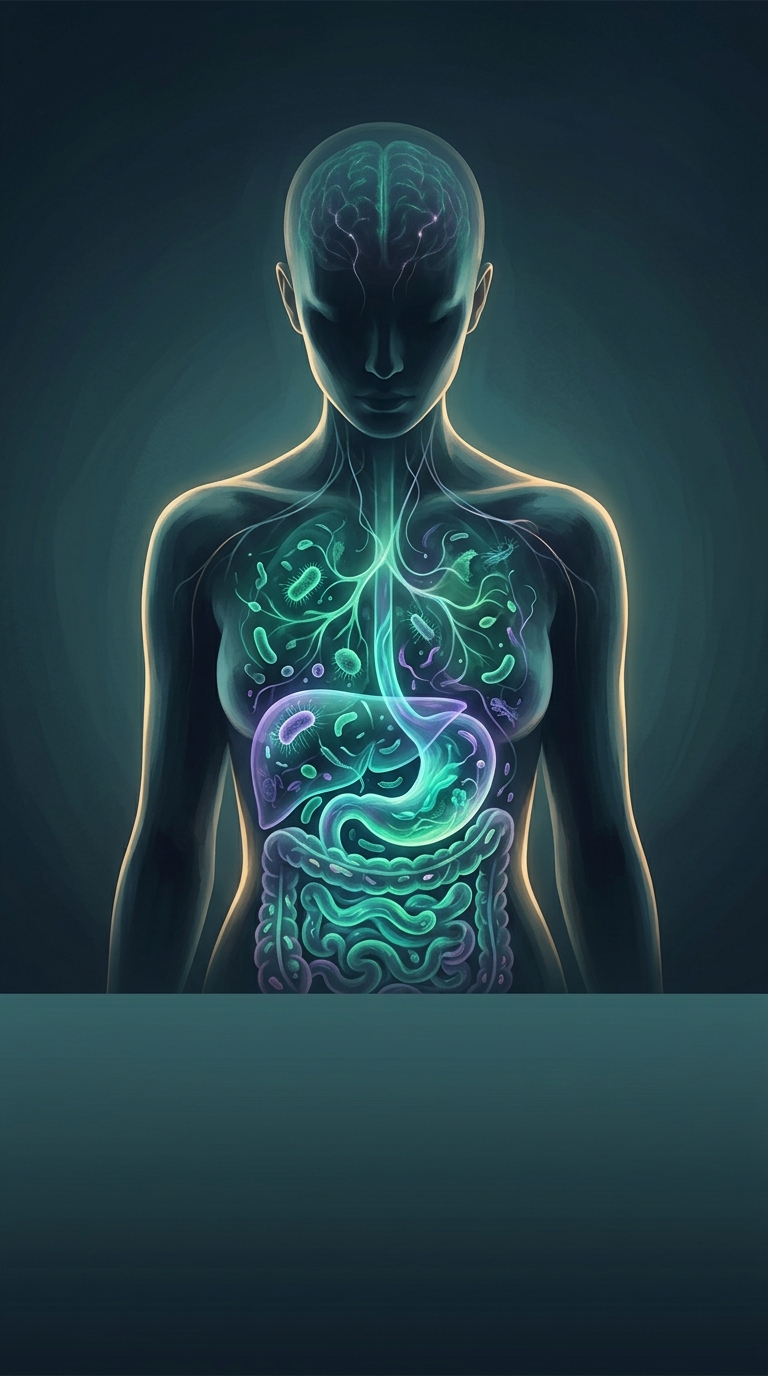
The gut’s microbial workforce
Your own digestive enzymes cannot break down every part of a meal. Plant fiber is a major example: much of it passes through the small intestine largely intact. In the colon, resident microbes ferment some of that material, using it as food and producing short-chain fatty acids and gases along the way.
Those fatty acids are not just microbial leftovers. Cells lining the colon can use them for energy, and the compounds also take part in signaling between the gut and the rest of the body. Microbes therefore help determine what the body can extract from certain foods and what substances reach the intestinal lining.
Influence, not remote control
The relationship goes both ways. Food choices affect which microbes thrive, while microbial activity can shape digestion, bowel habits, and local immune responses. The mix varies from person to person, so the same food may be fermented differently in different guts.
That does not mean microbes dictate every craving or control a person’s behavior. It means digestion is a partnership: human organs handle much of the work, but microbes perform chemical steps our bodies cannot do alone. A serving of fiber, for instance, can become fuel for colon cells only after microbial fermentation—an ordinary meal partly processed by organisms too small to see.