Prague made a window a political weapon
“Defenestration” means throwing someone out of a window, but Prague’s famous cases mattered less as odd methods of removal than as public breaks with authority. Each turned a dispute inside the political order into an act that could not easily be taken back.
A protest that helped ignite a revolt
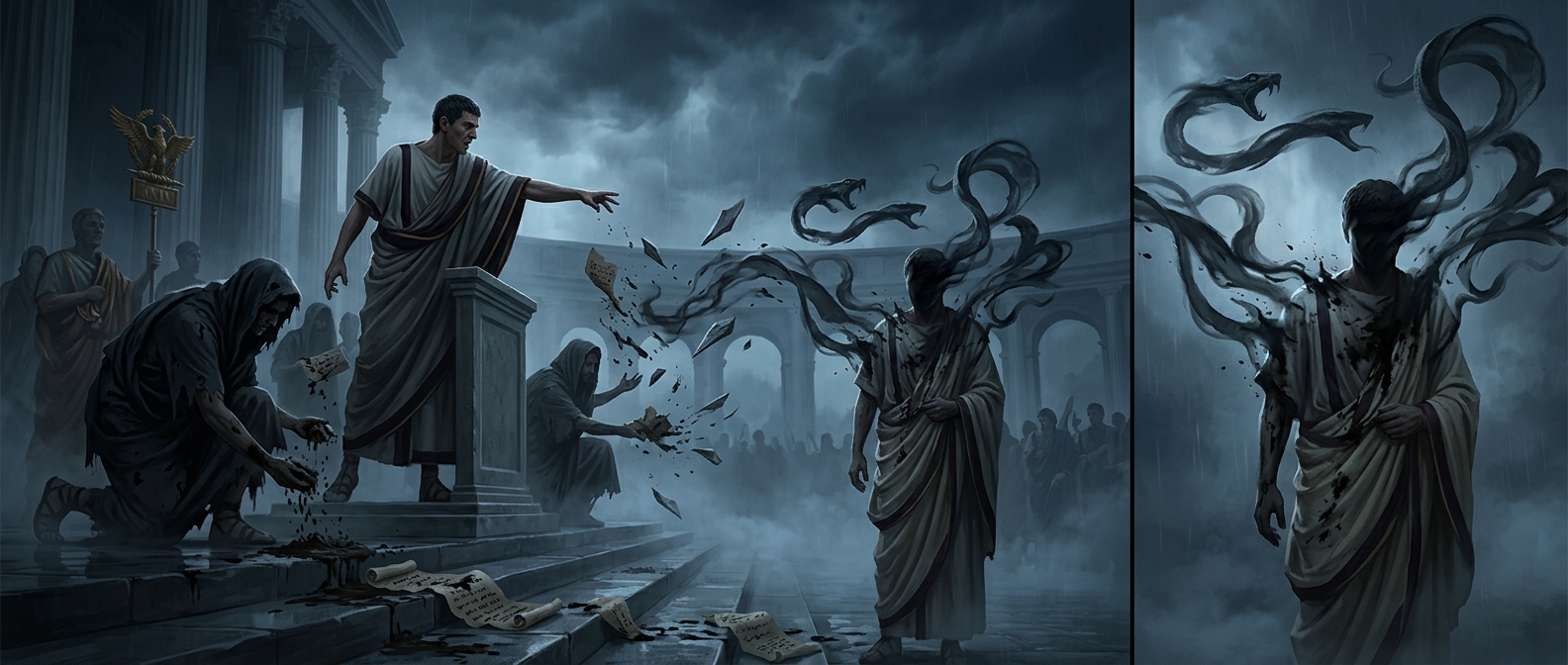
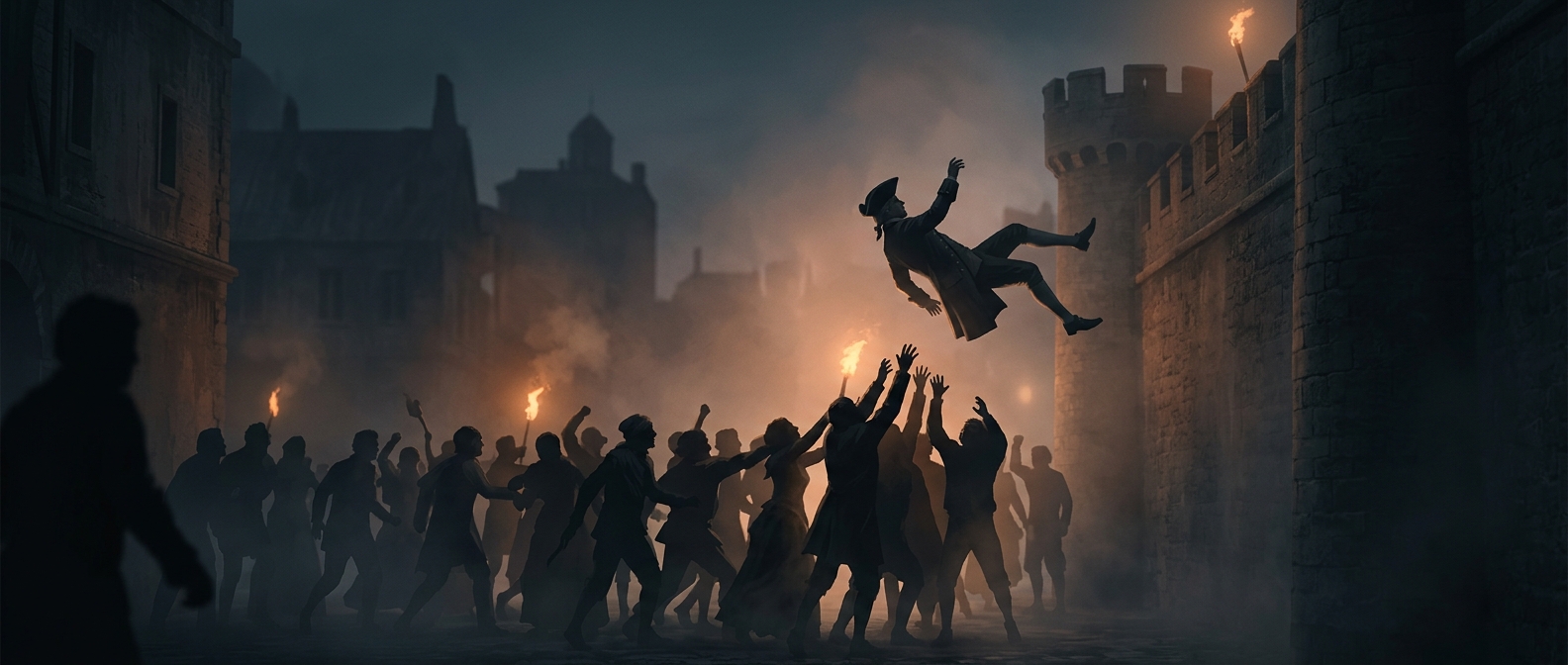
In 1419, a crowd of reform-minded Hussites—followers of a religious movement critical of the established church—stormed Prague’s New Town Hall. After a protester was struck and killed, the crowd threw several town councillors from the building’s windows. The killings helped set off the Hussite Wars, a long conflict over religious reform and political power in Bohemia.
The violence made the council chamber itself part of the confrontation: officials who represented the existing order were removed in front of a crowd, and the dispute moved from petitions and sermons to armed struggle.
The fall that became a European crisis
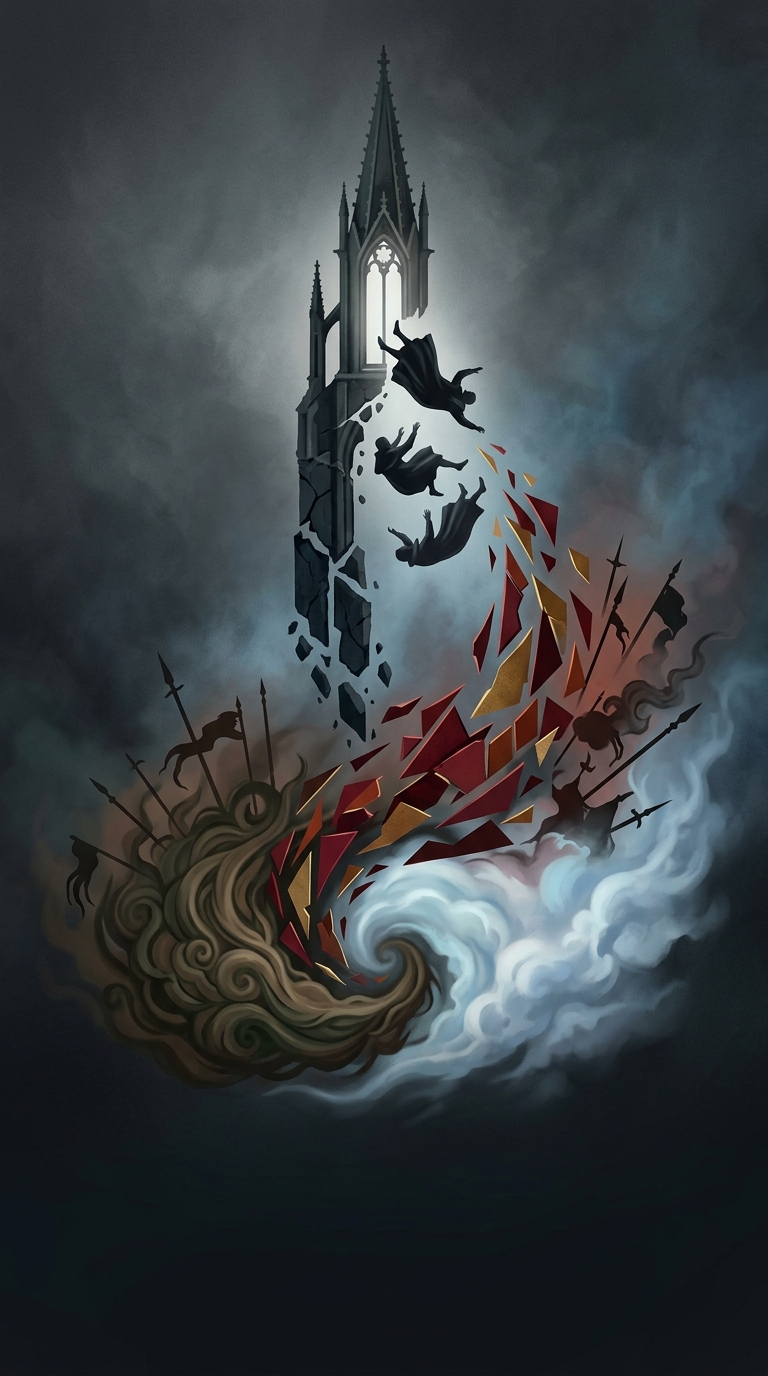
Nearly two centuries later, in 1618, Protestant Bohemian nobles confronted Catholic officials representing the Habsburg ruler at Prague Castle. They objected to limits on Protestant rights, including disputes over the building of Protestant churches. The nobles threw two imperial regents and their secretary from a window.
All three survived the fall. But the episode, known as the Second Defenestration of Prague, helped launch the Bohemian Revolt, which widened into the Thirty Years’ War—a devastating conflict involving much of Europe. The window was not the cause of the underlying religious and political struggle; it was the moment the struggle became unmistakably open rebellion.## A name for a point of no return
Prague’s defenestrations are remembered because the method made a political rupture visible and dramatic. A fall from a window could not settle who should rule or what faith the state should support. It did, however, make clear that the people involved no longer trusted ordinary institutions to resolve the fight.