Why a no-selfie rule changes the room
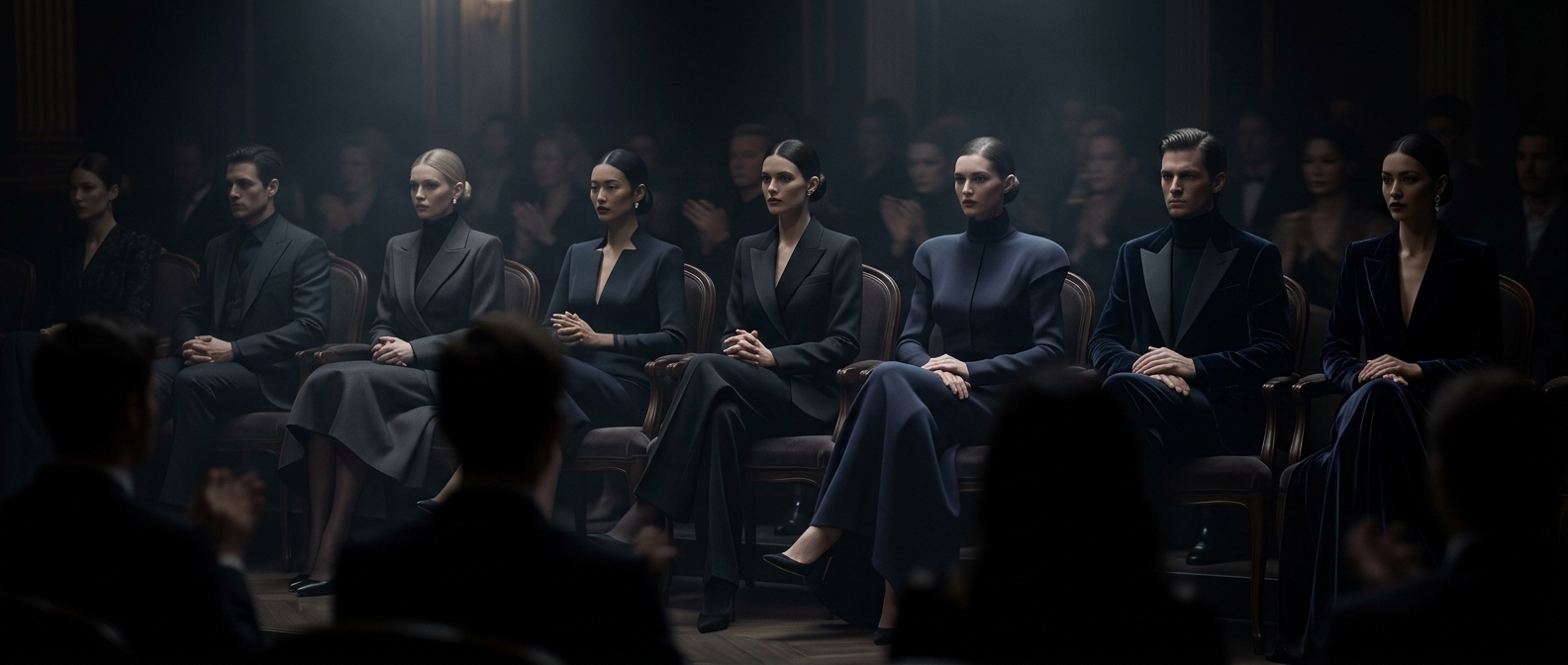
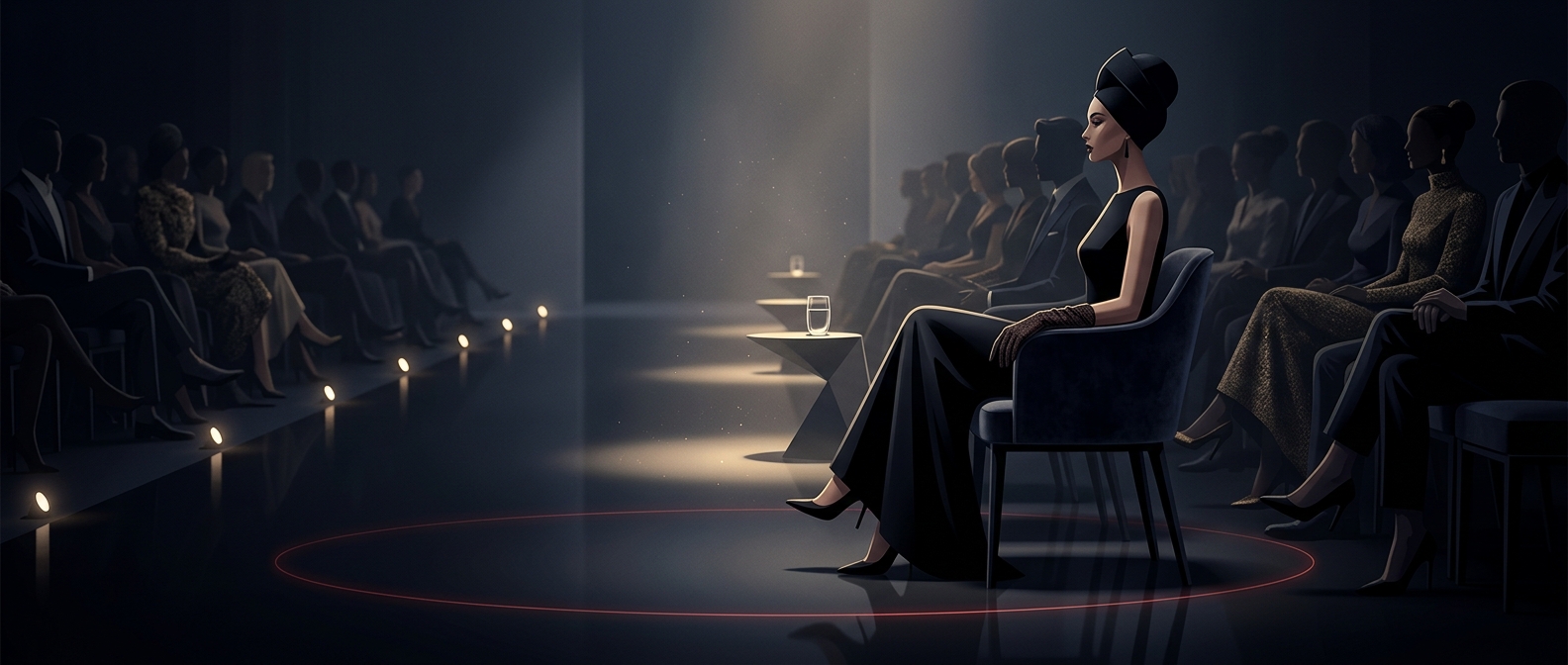
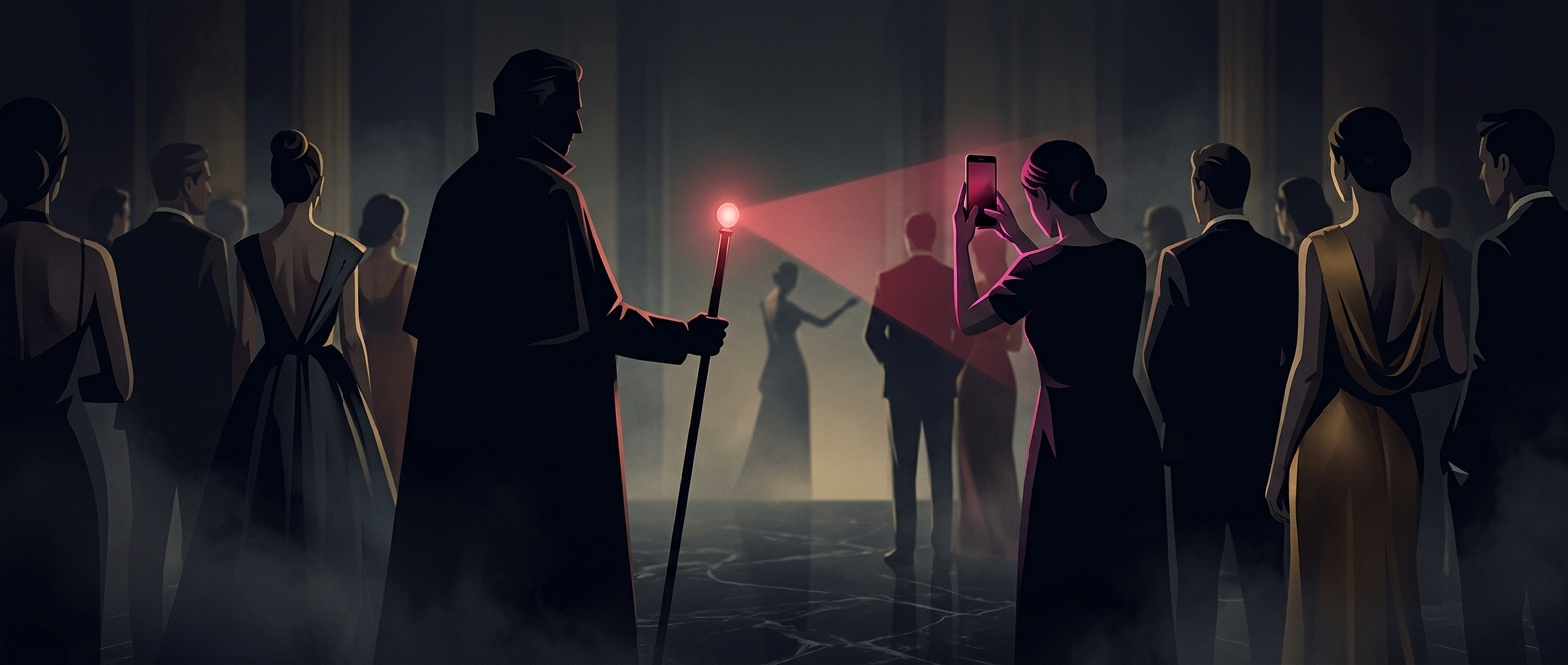
At an invitation-only fashion gala, a selfie ban is more than a restriction on phone use. It limits who gets to document the event and when those images reach the public. A guest’s quick photo can reveal more than a face: the people gathered together, the room’s layout, a private exchange, or a look that organizers may want seen only on the carpet.
That matters because a gala’s public image is often carefully staged. Official photographs can be selected, timed, and distributed to emphasize the clothes and atmosphere the event wants audiences to notice. Unplanned selfies put that control in attendees’ hands, turning a private moment into an immediate post.
Secrecy becomes part of the experience
The restriction also creates a contrast between the event’s public entrance and its interior. Guests may be photographed arriving, while what happens once they are inside remains less visible. That gap can heighten curiosity: the event is prominent enough to attract attention, yet not every moment is available for public viewing.
A rule like this depends on guests accepting the event’s terms and on the ban being taken seriously; it cannot guarantee that nothing will be recorded or shared. But even partial control changes the social atmosphere. Instead of treating every gathering as content to capture, attendees are asked to experience the room without immediately turning it into a personal broadcast. The result is a rare kind of celebrity event whose unseen moments are part of its appeal.