A closer look
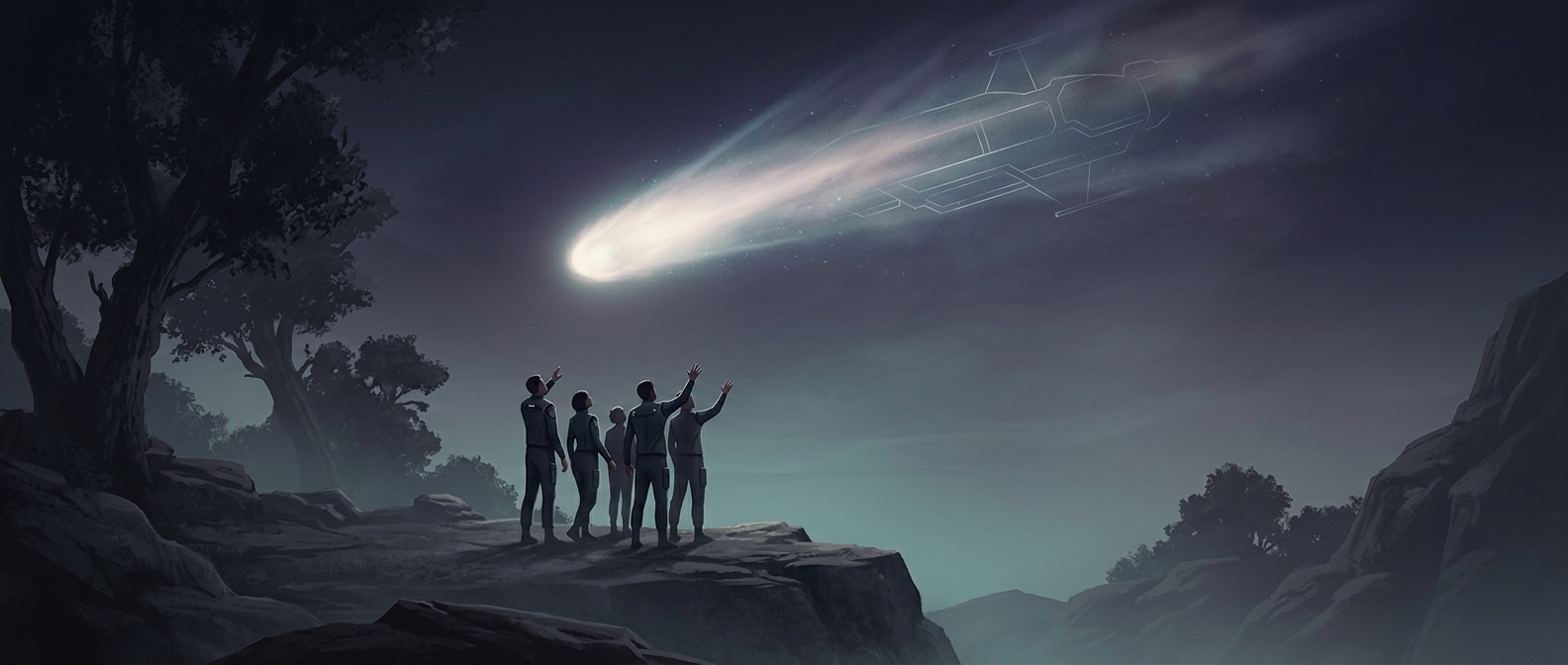
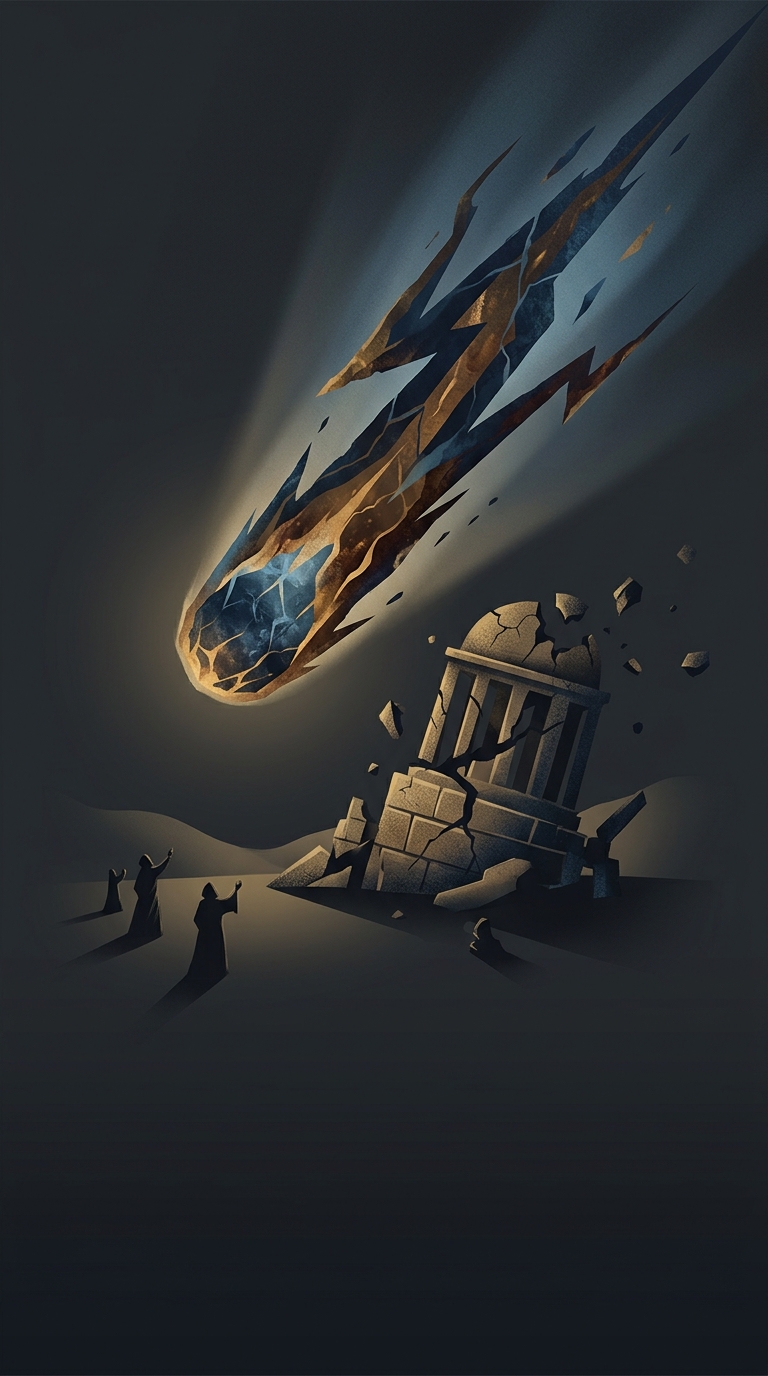
Ancient astrologers considered comets to be the ultimate celestial omens of pure disaster, believing these unpredictable streaks of light heralded the immediate death of kings or the collapse of entire empires. Unlike planets, which followed neat, predictable mathematical orbits, comets just showed up uninvited like chaotic cosmic party crashers, deeply offending the astrologers who relied on orderly systems to make their predictions. When Halley's Comet appeared in 1066, it was famously stitched into the Bayeux Tapestry as a grim foreshadowing of the Battle of Hastings, because humans love assigning massive geopolitical significance to dirty snowballs flying through space. Today we know they are just harmless chunks of ice and rock orbiting the sun, but the ancient panic they caused perfectly illustrates how terrifying the universe was before we figured out basic astrophysics