Turning a human face into Voldemort’s
Removing a nose from moving footage is harder than erasing a spot from a photograph. Fiennes’s face changes shape as he speaks, turns, and shifts expression; a digital patch that works in one frame can slide or look pasted on in the next.
Why the tracking dots mattered
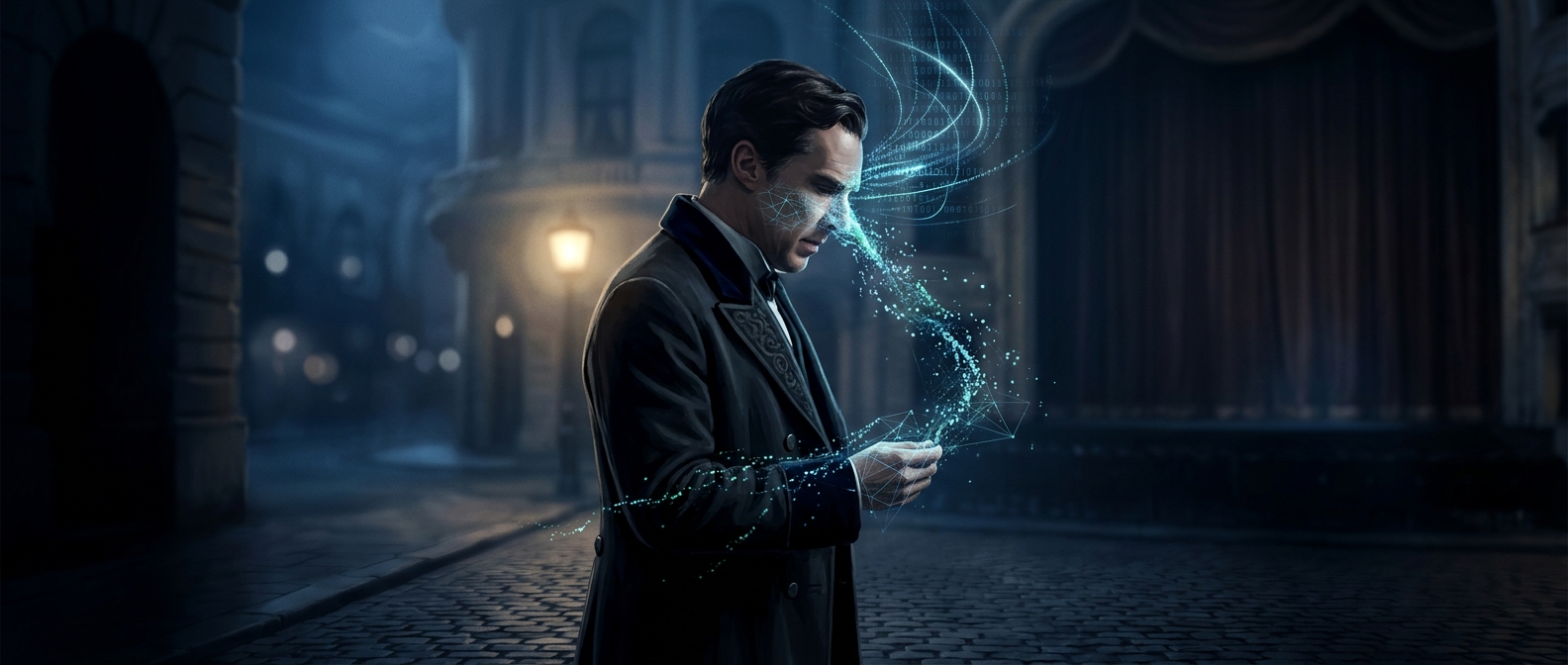
Visual-effects artists used dots on Fiennes’s face as reference points. By following how those markers moved from frame to frame, they could track the surrounding skin and keep the digital alteration aligned with his performance. The dots functioned like anchors: they helped the replacement effect move with his face rather than sit awkwardly over it.
The artists then removed the nose digitally across the footage, adjusting the result as the angle, lighting, and expression changed. That frame-by-frame work helped preserve the small movements that make an actor’s performance feel alive, while changing the feature that defined Voldemort’s appearance.
A practical balance
The technique let the filmmakers reshape Fiennes’s face without relying on extensive prosthetics to create the character’s most striking feature. The result depended not on a single dramatic edit, but on keeping the illusion consistent through every turn and line of dialogue—so the audience could focus on Voldemort, not on a digital effect drifting across his face.