How a Small Cast Filled a Sinking Ship
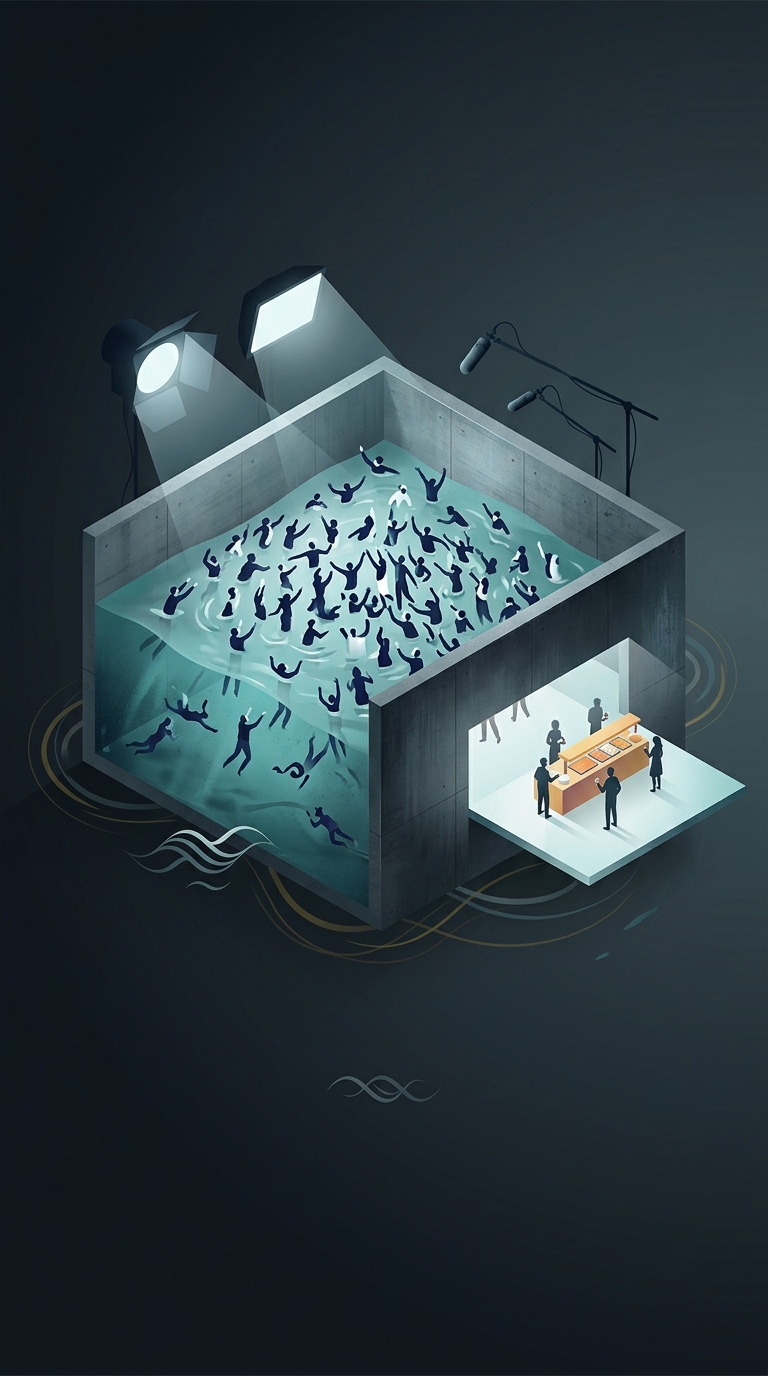
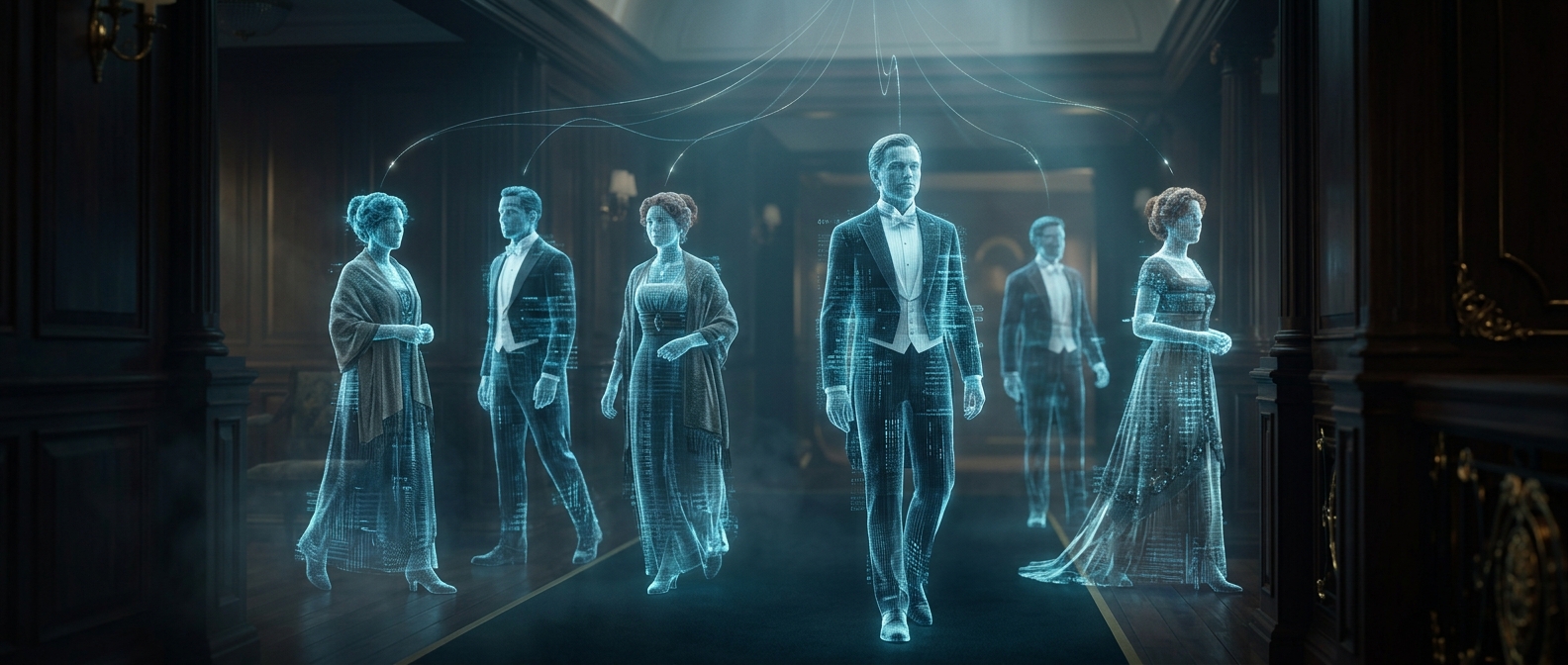
A disaster film needs more than a few visible performers: wide shots of a ship in chaos must suggest a crowd reacting all at once. For Titanic, motion capture let filmmakers record actors’ movements and transfer them to computer-generated people. The actors supplied the motion; digital characters supplied the numbers and the space on screen.
Why Reuse Worked in Wide Shots
A crowd scene is often viewed from far away, where viewers register the overall rush, stumble, or scramble rather than each person’s face. That makes repeated digital figures useful: their movements can be placed in different parts of a shot to make the deck look populated without separately filming every passenger.
The tradeoff is that reuse can reveal itself. If the same figure performs the same fall in the same way, attentive viewers may spot the pattern—even when the scene is meant to feel chaotic. Repetition is therefore both a production shortcut and a reminder that digital crowds are assembled from a limited set of recorded performances.
The Crowd as a Visual Effect
The technique changes what “thousands of passengers” means on screen. It does not require thousands of individual performances; it requires enough recorded movement and careful placement to make the crowd read as a single, believable event. In a sweeping shot, a repeated fall can disappear into the larger disaster—or become the detail that gives away how the crowd was built.