When the brain’s main bridge is cut
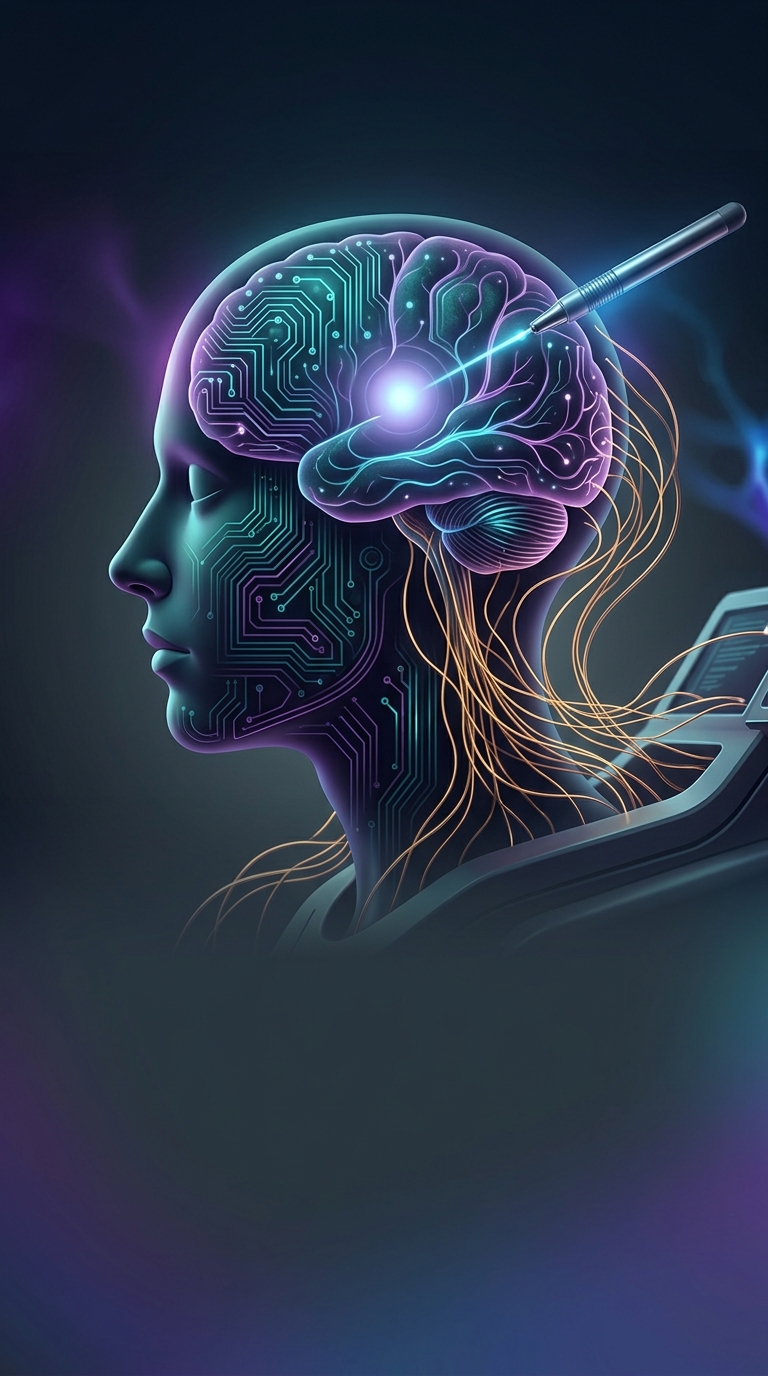
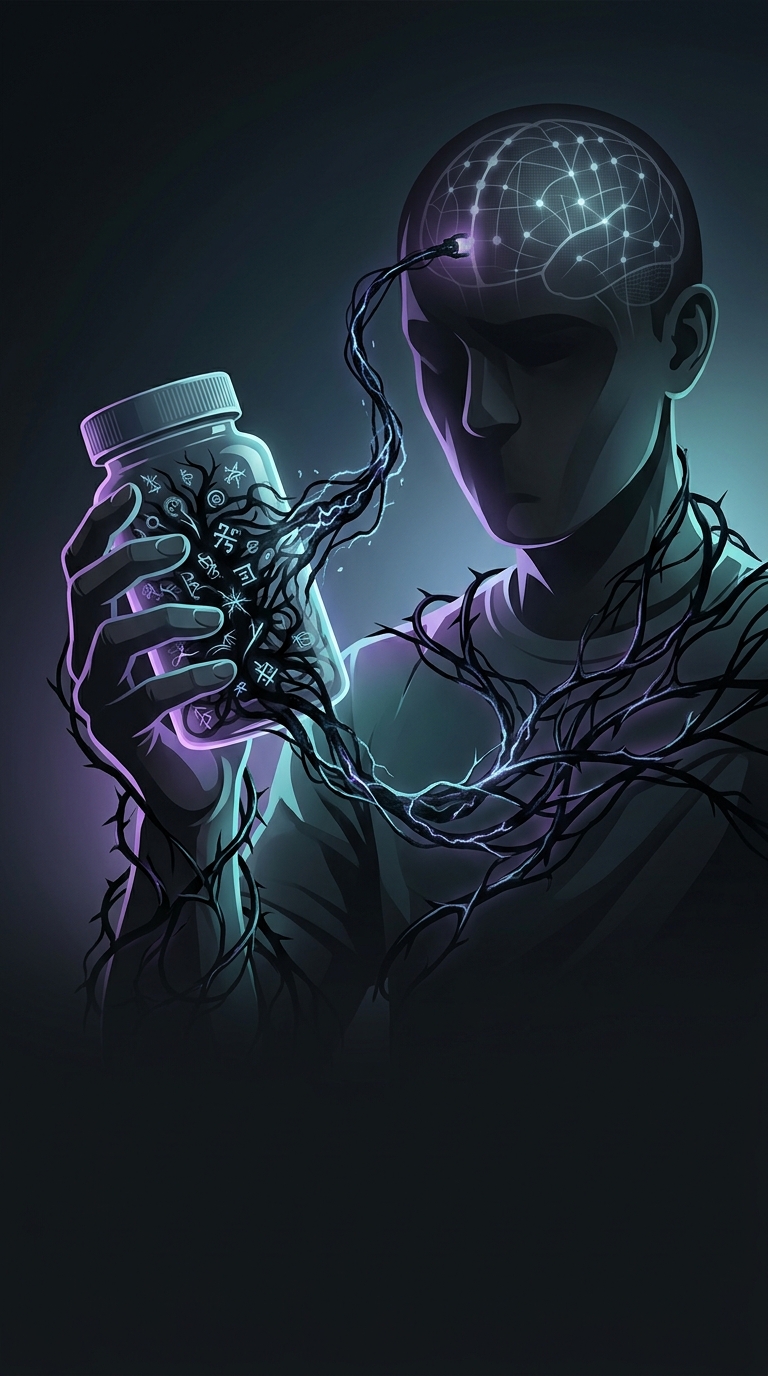
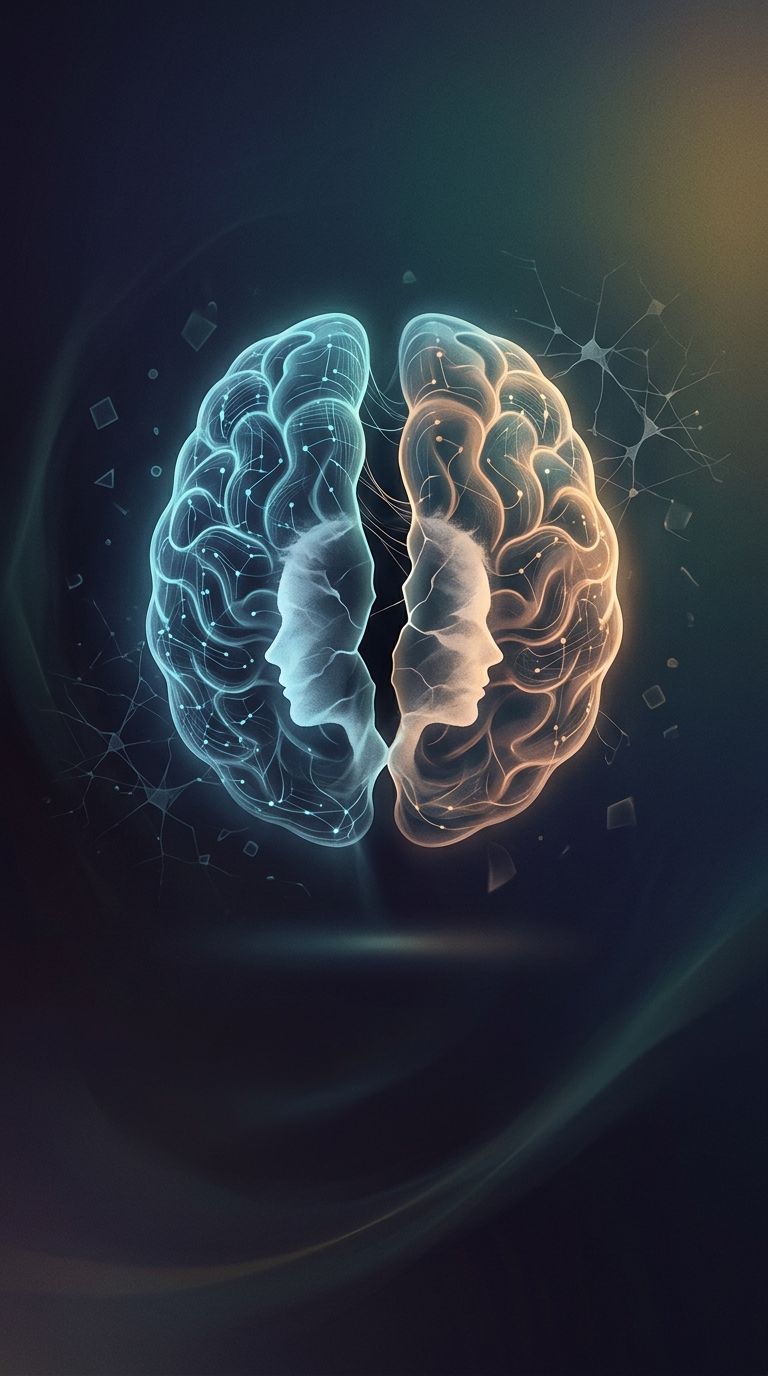
The two halves of the brain communicate chiefly through the corpus callosum, a thick bundle of nerve fibers. In a procedure called a corpus callosotomy, surgeons cut this bridge to reduce seizures that spread from one hemisphere to the other. It is usually considered for severe epilepsy when other treatments have not worked.
The operation disrupts a major route for sharing information, but it does not divide a person into two separate selves. Other connections remain, and everyday behavior may look largely unchanged. The differences become clearest when researchers test what each hemisphere can perceive and do on its own.
One hand can know what words cannot say
Each hemisphere receives information mainly from the opposite side of the visual field and controls movement mainly on the opposite side of the body. In many people, language production is concentrated in the left hemisphere. That creates a revealing mismatch: an image shown only in the left visual field is initially processed by the right hemisphere, which may not be able to pass its information to the language-dominant left hemisphere.
A person might therefore be unable to name an object they were shown briefly—but may pick it out with the left hand, which the right hemisphere controls. The knowledge is present; the usual route for turning it into a spoken answer is blocked. The reverse pattern can occur when information reaches the language-dominant hemisphere: the person can name it, even if the other hand cannot identify it by touch.
A disruption, not a second personality
These effects are most apparent in carefully arranged tests that keep information on one side of the brain. In ordinary life, the remaining brain pathways and learned routines help the hemispheres coordinate, so the split is not typically obvious in every conversation or movement. The striking implication is narrower but real: a person can act on information that their speaking hemisphere cannot report. A missing answer does not always mean the brain failed to perceive the thing—it may mean the information could not cross the bridge.