How a funeral practice created a chain of infection
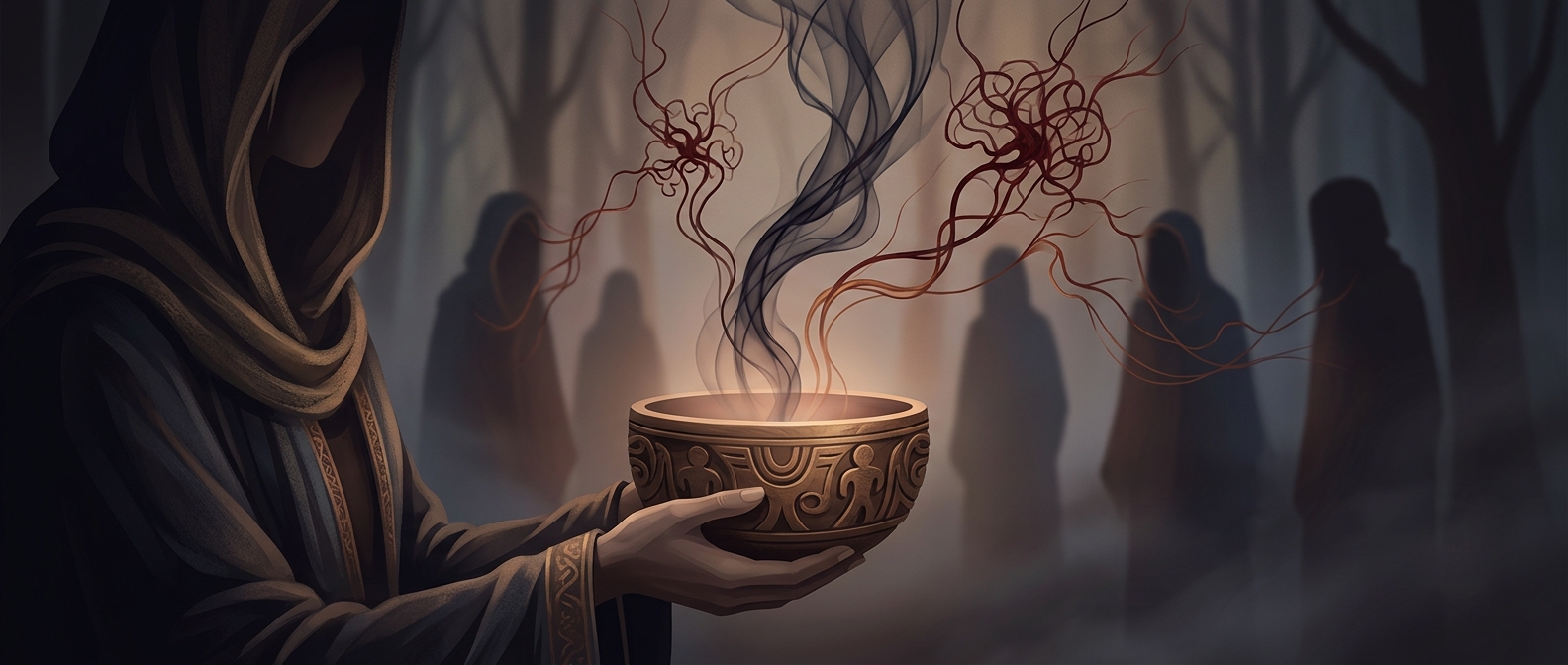
Kuru spread among the Fore people of Papua New Guinea through mortuary practices in which relatives consumed parts of the dead as part of funeral rites. The risk was greatest when people ate infected brain tissue, which contains high concentrations of the prion associated with the disease. This was not ordinary person-to-person contagion: transmission required exposure to infected tissue.
Why the danger could remain hidden
A prion is a protein folded into an abnormal shape. After entering the body, an infectious prion can induce some normal proteins to take on that same shape. As abnormal proteins accumulate, they damage brain tissue. The process is slow, so someone exposed could remain well for years—or even decades—before symptoms appeared. That long delay made the connection between funeral exposure and illness difficult to see at first.
Kuru gradually declined after the practices that transmitted it stopped. But because of the long incubation period, cases continued to appear long afterward. The delay was a stark consequence of the mechanism: the exposure could end before its effects became visible.