How ancient DNA entered living populations
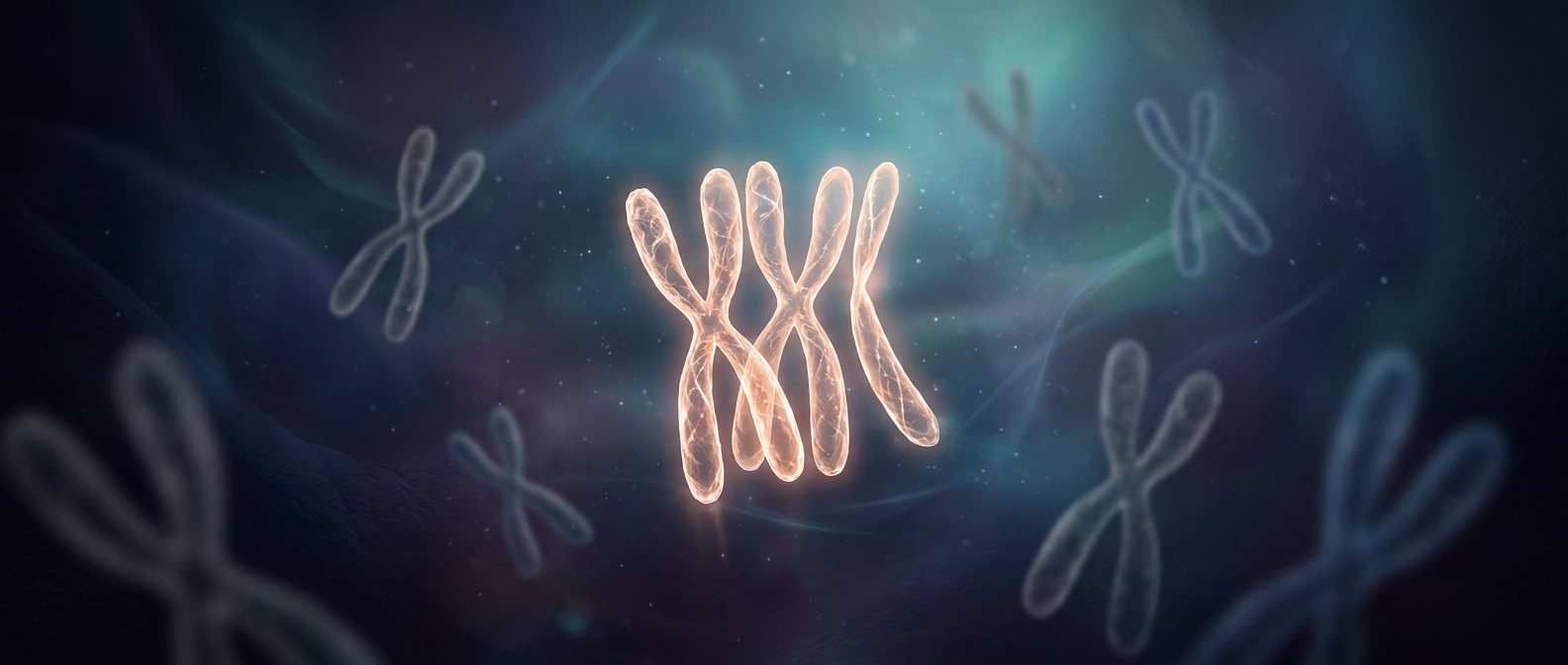
When people whose ancestors had migrated out of Africa encountered Neanderthals in Eurasia, some had children together. Their descendants carried Neanderthal DNA alongside DNA inherited from other ancestors. Over many generations, each stretch of DNA was copied and reshuffled as chromosomes were passed down. The result was not a separate block of “Neanderthal genes,” but scattered fragments woven into the genomes of many people today.
Why some fragments remained
A DNA variant can influence how a body works, but its effect depends on the variant and the surrounding genetic and environmental context. As populations changed, natural selection tended to reduce the frequency of some inherited fragments when they interfered with survival or reproduction. Other fragments persisted; some may have offered advantages in particular settings, while others may simply have had little effect.
The immune system is one area where inherited variants matter. It identifies and responds to threats, and differences in immune-related genes can alter that response. Neanderthal-derived variants have been linked to differences in immune activity, but that does not mean every carrier has the same response—or that an ancient variant is automatically beneficial. A response that helps in one circumstance can carry costs in another.
An inheritance, not a blueprint
The proportion and exact fragments vary among people, partly because ancestry differs and partly because generations of genetic reshuffling broke inherited stretches into smaller pieces. Most such fragments do not dictate a visible trait or determine a person’s health. Their effects, when present, are one contribution among many genes and life experiences.
The striking consequence is that extinction did not erase every Neanderthal legacy. Some of their biological variation continues to participate, quietly and unevenly, in how modern bodies respond to their surroundings.