The family tree hidden inside a cell
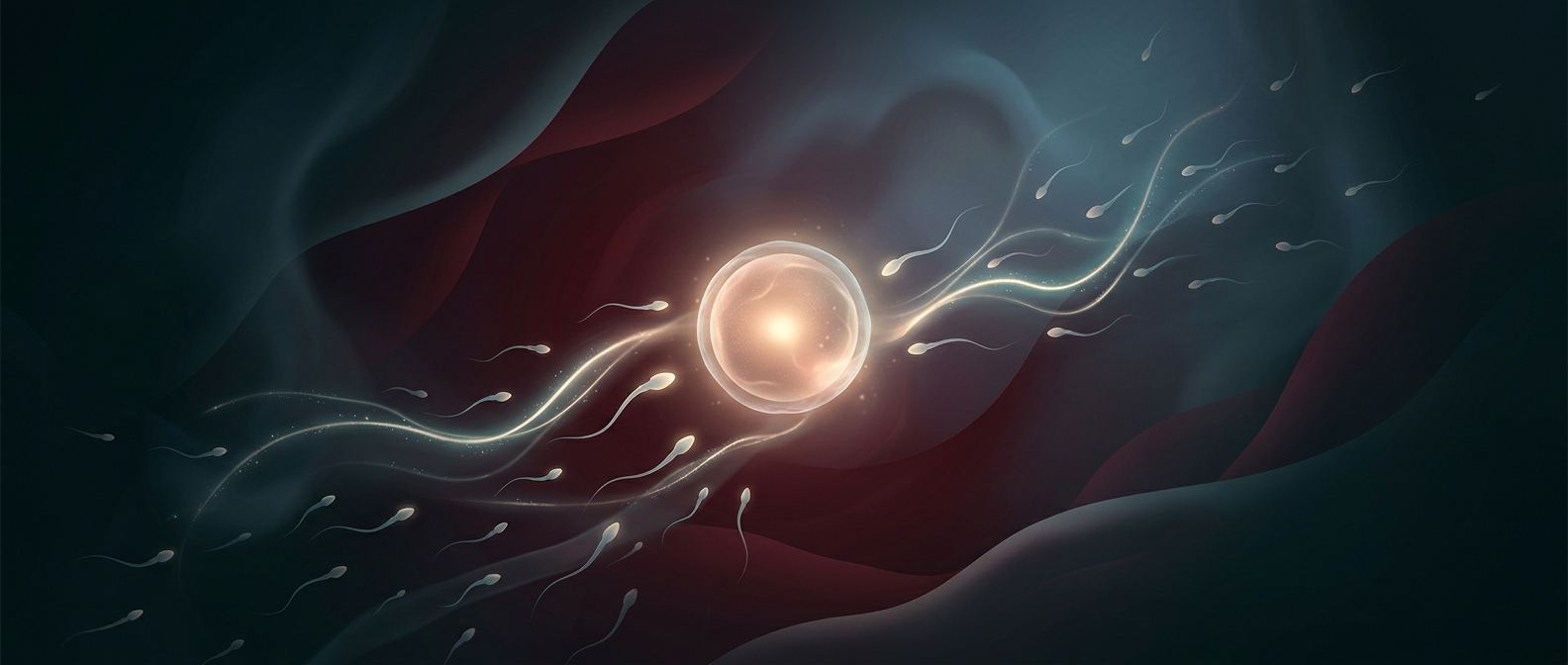
Most of the DNA in a human cell is stored in its nucleus, where a child inherits DNA from both parents. Mitochondria—the structures that help cells release usable energy—carry a small, separate set of DNA. In ordinary human inheritance, that mitochondrial DNA comes from the egg, so children receive it from their mother.
That makes mitochondrial DNA a narrow genealogical thread: mother to child, then mother to child again. It does not record a person’s entire ancestry. A woman can have many descendants, yet her mitochondrial line continues only through descendants who pass it on through daughters. If a generation has no daughter who later has children, that branch ends—even while the family’s other genetic contributions live on.
How researchers trace the line backward
Mitochondrial DNA changes gradually through small mutations. By comparing those differences among people alive today, researchers can estimate how their maternal lines branched and, by following the branches backward, where those lines converge on a shared ancestor.
That woman is often called “mitochondrial Eve,” but the label can mislead. It does not mean she was the first woman, the only woman, or the earliest person alive. Other women lived alongside her and contributed DNA to people today; their mitochondrial branches simply did not continue without interruption to the present. Their descendants may still be part of everyone’s family trees through other routes, including fathers.
One thread, not the whole past
The shared ancestor is a result of which maternal lines survived, not a measure of who mattered or how many people lived at the time. The date researchers infer depends on patterns of mutation and inheritance, and it refers specifically to the common ancestor of living people’s mitochondrial DNA—not to the origin of humanity.
The striking implication is that a person’s family tree can preserve many ancient ancestors while a particular genetic thread narrows to one. Mitochondrial DNA lets researchers follow that thread precisely because it usually avoids the mixing that occurs when DNA from two parents is combined.