The lathe favored shapes that spin
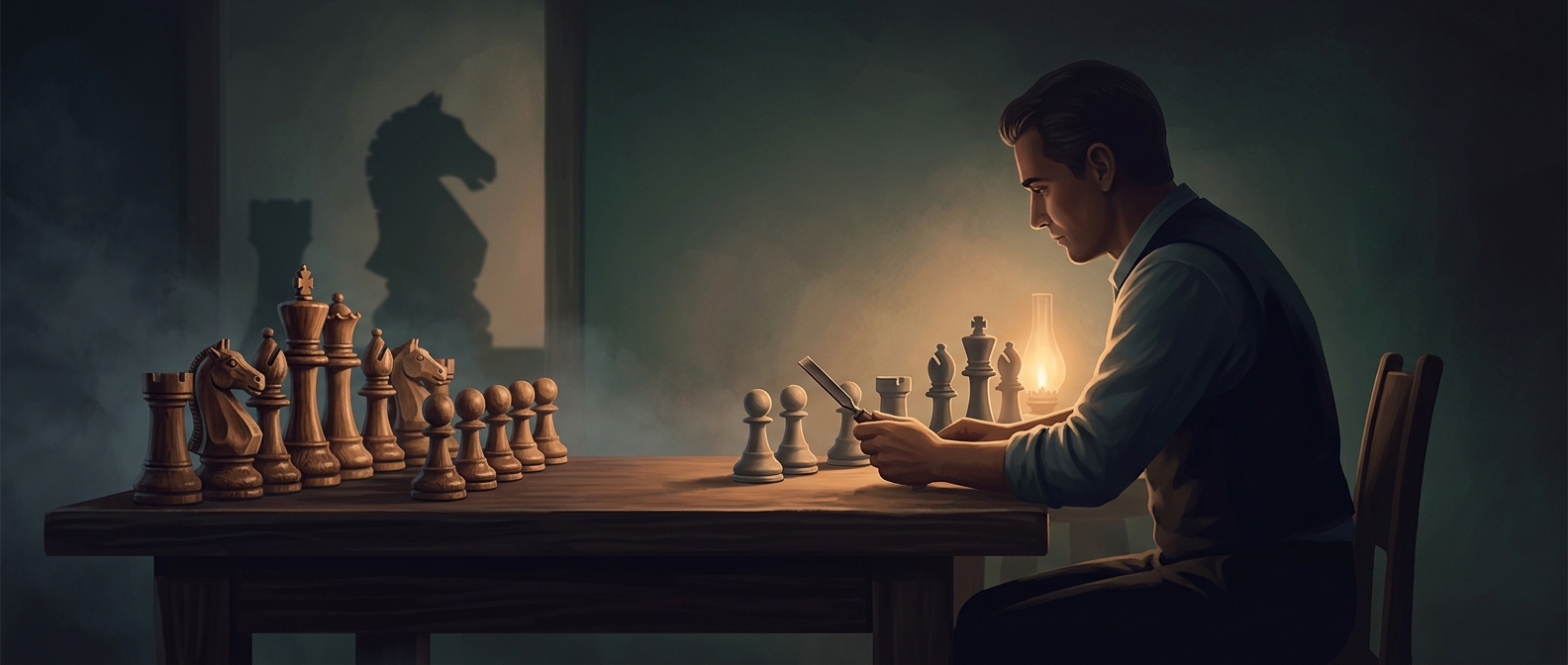
A wood lathe makes an object by rotating a piece of material while a cutting tool shapes it. That process is especially efficient for forms built from circles and stacked curves: a base, a narrow stem, a rounded collar. A craftsperson can turn those profiles quickly and repeat them across a set, rather than carving every piece by hand in elaborate detail.
The economics mattered. Ornate carving takes time and skilled labor, so it raises the cost of each set. Simpler, lathe-friendly forms made chess pieces easier to produce in quantity and at more accessible prices.
Simplicity also helps at the board
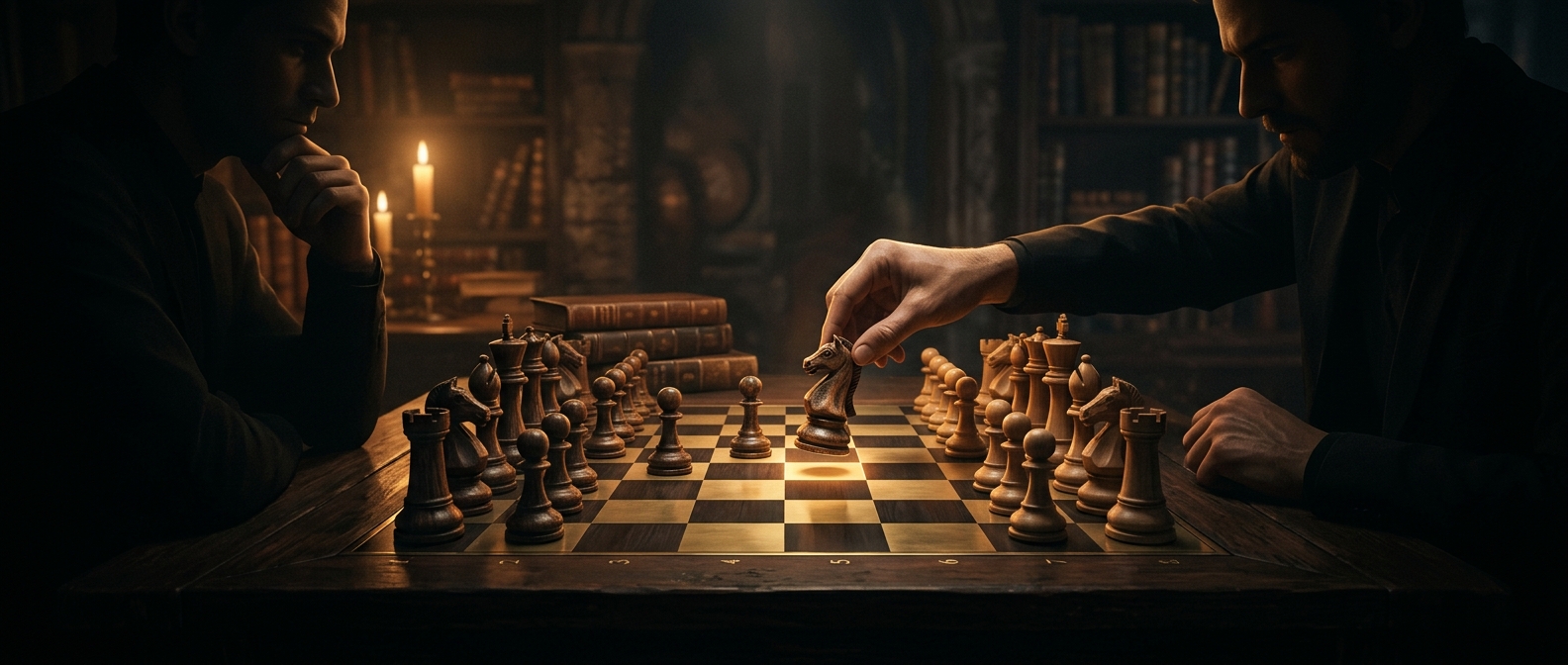
The pieces still had to be distinguishable. Chess is played by looking across a board and recognizing each piece quickly, so a useful design gives every type a clear silhouette: a rook’s tower-like top, a bishop’s slit, a knight’s head. Those features can remain recognizable even when the rest of the piece is made from straightforward turned shapes.
This is a practical compromise between ornament and clarity. A set can look finished and feel consistent without requiring each piece to be a miniature sculpture. The familiar style grew from manufacturing limits, but it also suits the game: simple forms are quick to make and easy to read across the board.