A turn signal makes a plan visible
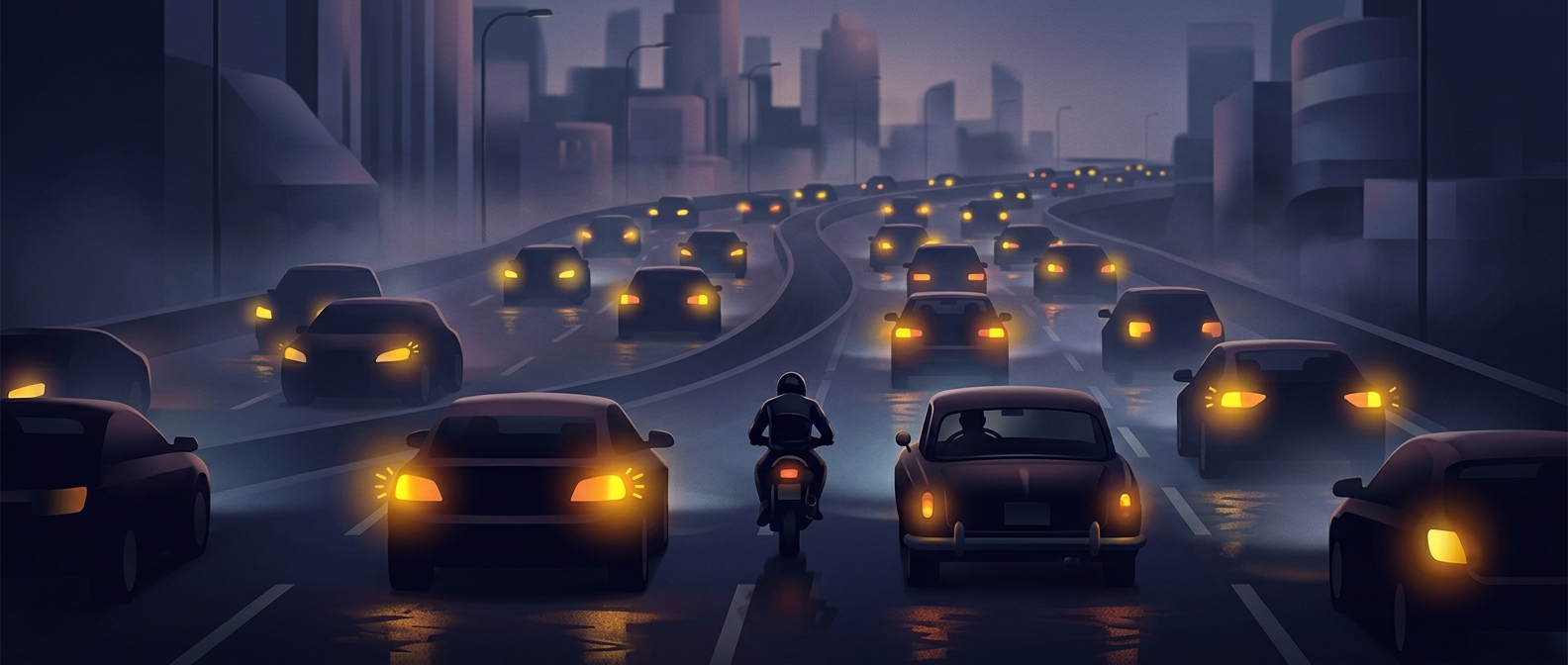
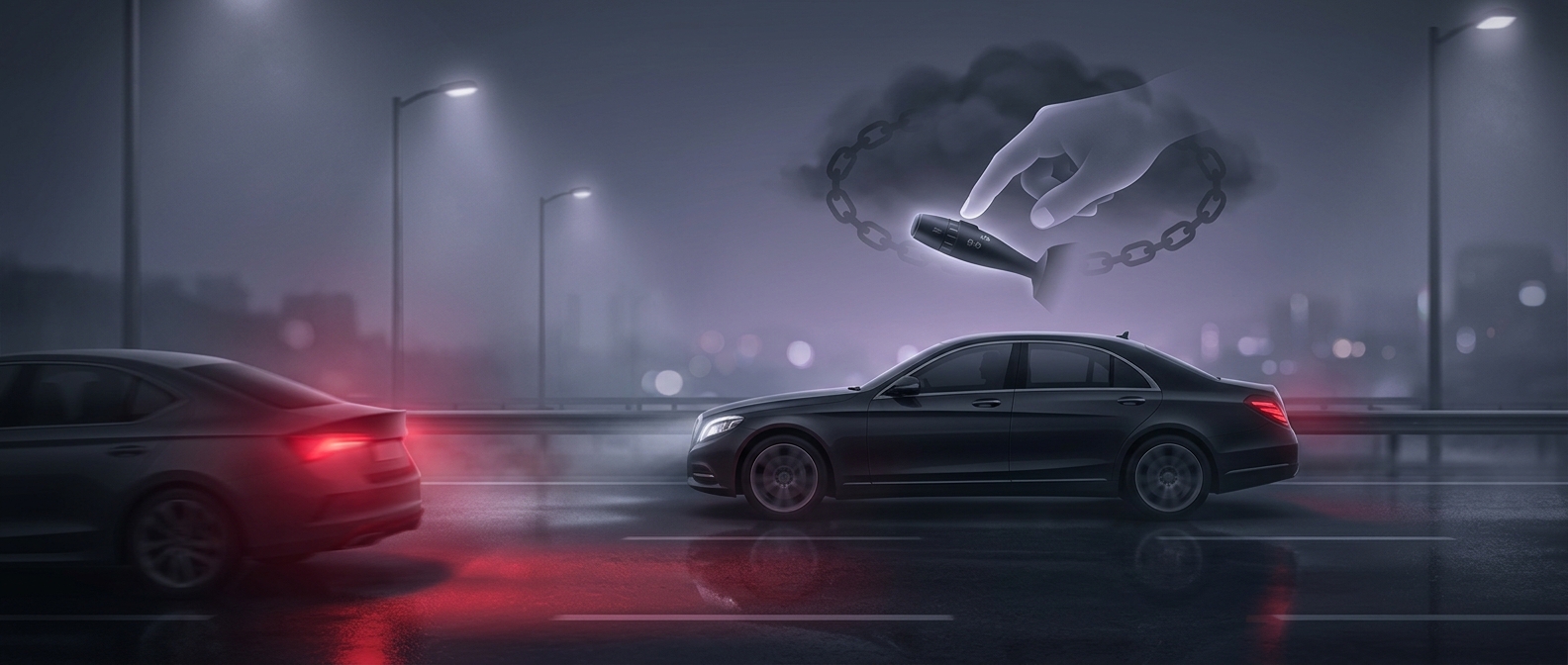
A driver’s next move is hidden until the car begins to move. The turn signal bridges that gap: blinking lights at the vehicle’s corners tell people nearby that the driver intends to turn or change lanes. That warning gives another driver or a cyclist a chance to adjust before the car crosses their path.
The timing matters. A signal used before a maneuver can help someone behind choose whether to slow down, and it can help a driver in the next lane decide whether to leave room. Switched on only as the car moves—or not at all—it offers little time to respond. The light communicates intention, not a guarantee, so others still need to watch the vehicle itself.
Small effort, shared consequences
Without a signal, other road users have to infer what is coming from clues such as a car’s position, speed, or slight drift. Those clues can be ambiguous: a vehicle edging toward a lane line might be preparing to merge, correcting its position, or simply following a curve. A blinking indicator reduces that guesswork and makes it easier for several people to coordinate without stopping to negotiate.
Skipping the signal may save a hand movement, but it transfers the work to everyone around the car. They must wait, brake, or leave extra space because they cannot reliably predict the next move. In traffic, that tiny motion at the stalk can prevent a much larger chain of uncertainty.