Vesalius Put the Anatomist Beside the Body
In early 16th-century medical teaching, anatomy could be divided between speech and action: a professor read authoritative texts while an assistant cut into a corpse. Andreas Vesalius challenged that separation. At the University of Padua, where he became professor of surgery and anatomy in 1537, he performed dissections himself and urged students to inspect the body rather than accept an ancient description as final.
Public dissections drew audiences beyond a small group of trainees. They were formal lessons as well as spectacles, staged so observers could see the work. But the familiar image of Vesalius designing Padua’s famous tiered anatomy theater and selling tickets to crowds is misleading: that theater was built decades after he left the university.
What Made a Dissection a New Kind of Lesson
A dissection turned anatomical claims into visible questions. If a textbook said a structure lay one way, students could compare the statement with the body in front of them. Vesalius did not reject classical learning outright; he argued that some inherited accounts were wrong because they had been based largely on animal anatomy or repeated without careful human observation.
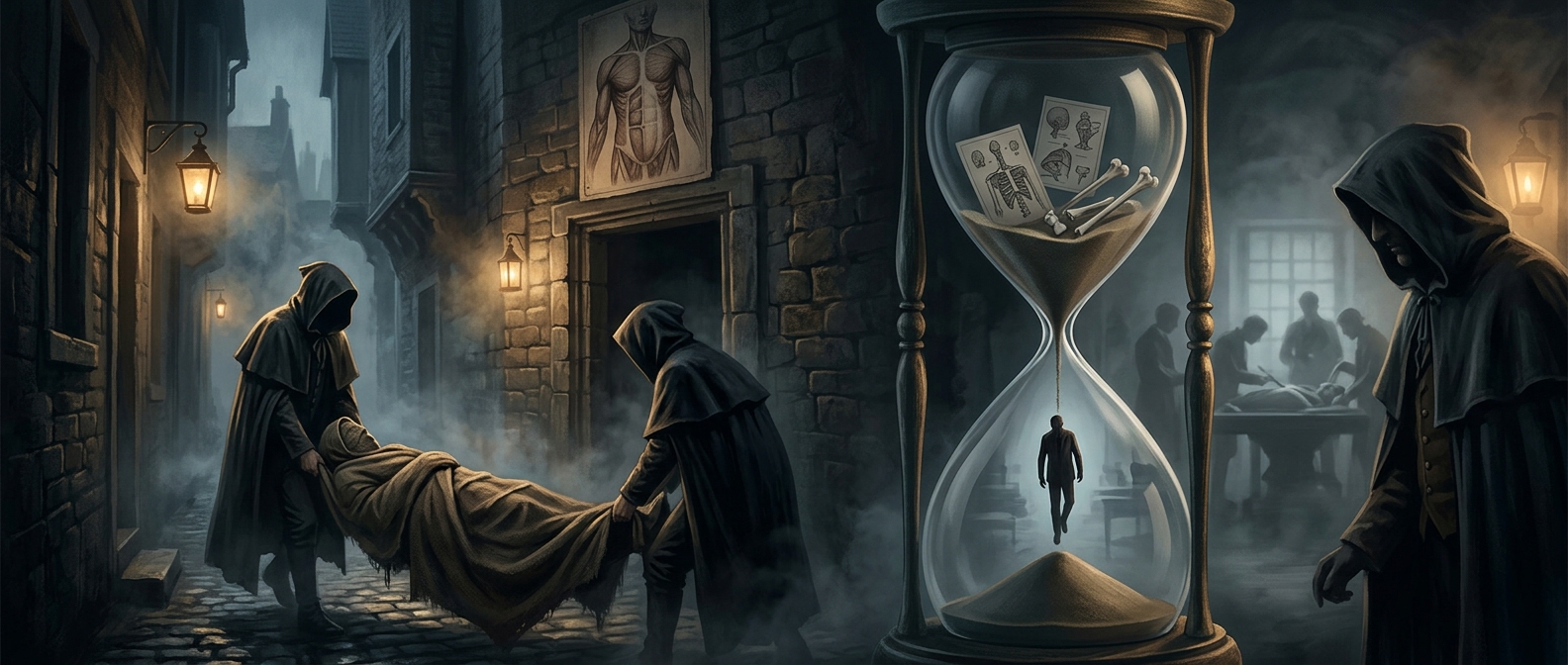
The setting mattered. A corpse had to be obtained, prepared and examined before it decayed, and viewers needed a clear line of sight. Public anatomy therefore required organization—and made the act of cutting part of the lesson, not merely a task hidden behind a professor’s words. Bodies for such demonstrations could come from executed criminals, though claims that Vesalius used grave-robbed corpses or sold admission to his dissections are not established by this account.
From the Demonstration Table to the Printed Page
Vesalius extended the lesson beyond the room with De humani corporis fabrica, published in 1543. Its detailed descriptions and illustrations let readers examine anatomy on the page and compare it with what they saw in a dissection. The book helped make direct observation a basis for challenging medical authority.
The lasting change was not that anatomy became entertainment. It was that the person teaching anatomy could also handle the body, test claims against it and show others what he found. In that shift, the dissection table became a place where a centuries-old textbook could be corrected in public.